Spain on a Budget: How to Travel Like a Local Without Breaking the Bank
 This photo was taken by Pixabay on Pexels.
¡Hola, travelers! Welcome to the sun-drenched heart of Europe, where vibrant culture, breathtaking history, and warm hospitality await you at every turn. Many believe that experiencing the true magic of Spain requires a deep pocket, but as your local guide, I'm here to tell you otherwise. The most authentic memories are often made not in luxury hotels or exclusive tours, but by wandering through quiet plazas, sharing tapas with neighbors, and hopping on a local bus just like the residents do. In this post, we'll unlock the secrets to exploring our beautiful country without breaking the bank. From discovering Spain's best free museums and hidden gems to mastering the art of the Menú del Día and navigating the country with smart public transport hacks, get ready to travel like a local and enjoy an unforgettable adventure that fits any budget.
Discovering Spain's Best Free Museums and Hidden Gems
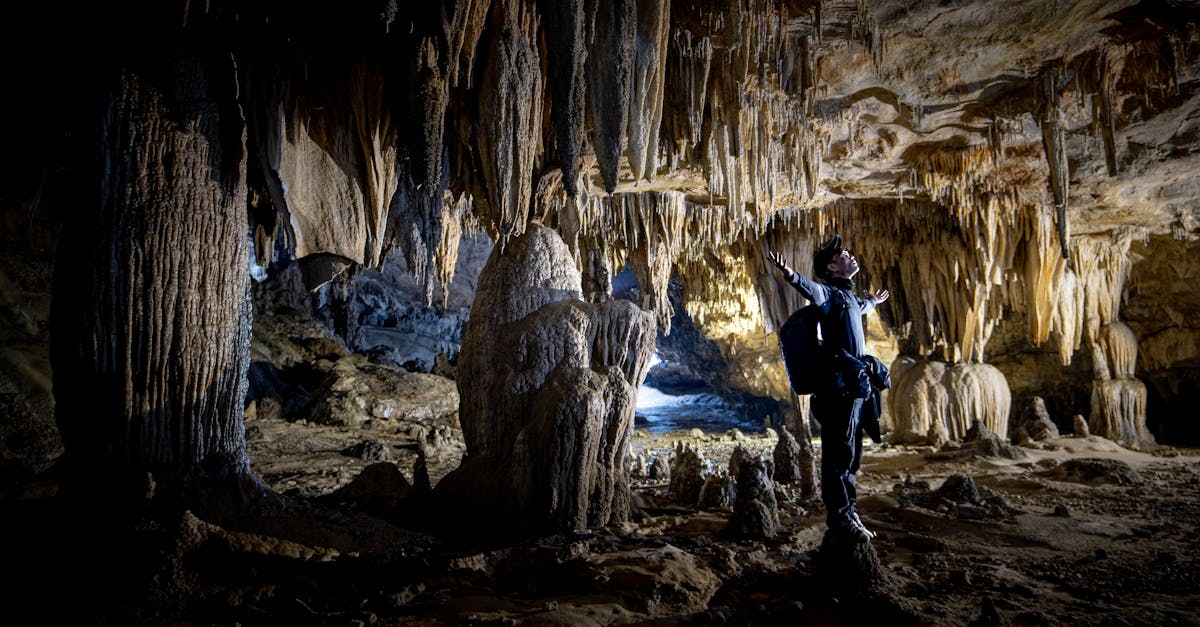
One of the greatest joys of exploring Spain is discovering that some of its most magnificent cultural treasures are completely free. In Madrid, you can spend hours wandering through the Prado Museum during its evening hours on Mondays and Wednesdays, or visit the Reina Sofía for free after 7 PM to see Picasso's "Guernica" without spending a euro. Similarly, Barcelona's National Art Museum of Catalonia (MNAC) offers free entry from 3 PM to 7 PM on Sundays, allowing you to admire stunning Romanesque frescoes with just the city skyline as your backdrop. Beyond the major metropolises, many smaller towns offer free access to their historic churches and local archaeological sites, inviting you to immerse yourself in centuries of history while keeping your wallet intact.
For those seeking true hidden gems beyond the standard museum circuit, look for the vibrant street art scene in Valencia's El Carmen district or the atmospheric, free-to-enter gardens of the Real Alcázar in Seville, which often have less crowded morning slots before the main ticketed areas open. Locals also love visiting the "casas museo" (house museums) in Andalusia, such as the birthplace of Federico García Lorca in Fuente Vaqueros, where admission is often waived or very low-cost, offering an intimate glimpse into the lives of Spain's literary giants. By timing your visits correctly and embracing these lesser-known spots, you'll experience the authentic soul of Spanish culture while adhering to a budget-friendly itinerary that feels like living the life of a resident rather than just a visitor.
 This photo was taken by Nguyen Khuong on Pexels.
Eating Like a Local: Mastering the Art of the Menú del Día
One of the most delightful ways to experience authentic Spanish culture without straining your wallet is by embracing the legendary menú del día, a fixed-price lunch offering that has been a staple in restaurants across the country for decades. Typically available from Monday to Friday between 1:00 PM and 4:00 PM, this culinary institution allows you to enjoy a three-course meal—complete with a starter, main course, dessert or cheese, and often a drink—for an incredibly reasonable price, usually ranging from €12 to €18 depending on the region. Unlike the à la carte options that can quickly add up, the menú del día showcases the chef's best use of fresh, seasonal ingredients, giving you a genuine taste of local flavors while adhering to the traditional Spanish rhythm of life where lunch is the main meal of the day.
To truly master this art, look beyond the tourist traps near major attractions and venture into the neighborhoods where locals gather; you will often find tucked-away taverns and family-run establishments serving up hearty portions that are far superior to what you might get in crowded city centers. Remember that timing is everything: if you arrive too early or too late, the kitchen may have already closed the menu section, so aim for the sweet spot around 2:00 PM when the rush begins. By adopting this habit, not only do you save money, but you also immerse yourself in the daily social fabric of Spain, sharing tables with neighbors and experiencing the warm hospitality that makes traveling here feel less like a vacation and more like living a part-time life as a local.
 This photo was taken by BOOM 💥 Photography on Pexels.
Navigating the Country with Smart Public Transport Hacks
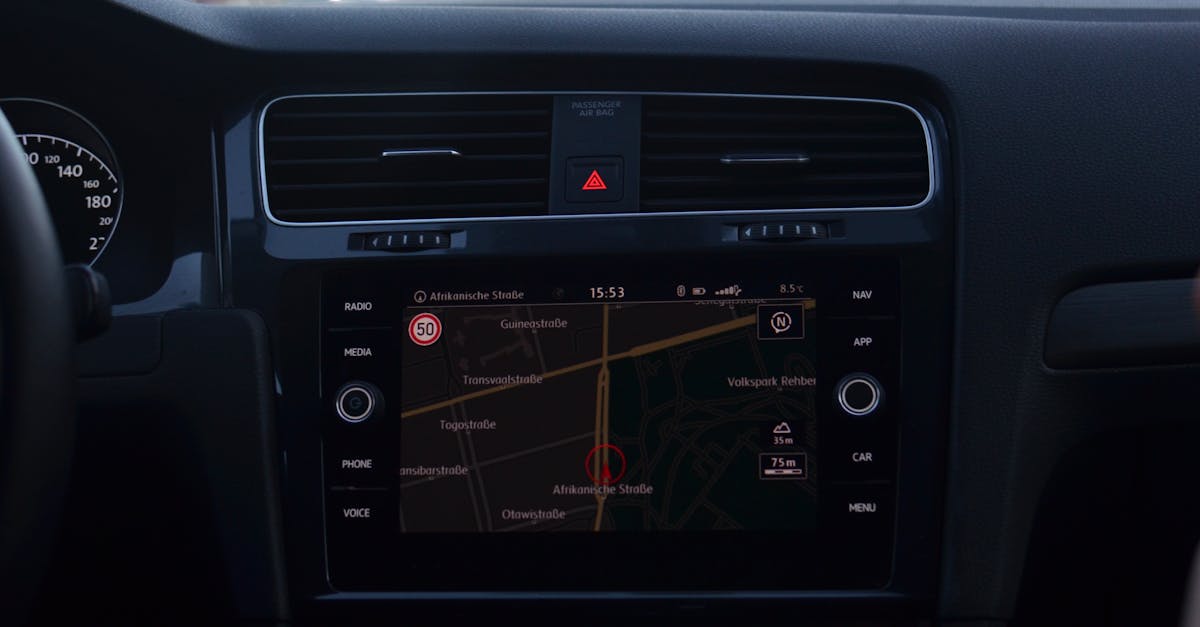
To truly experience Spain like a local while keeping costs low, mastering the art of public transport is your golden ticket. In major cities like Madrid and Barcelona, avoid the tourist trap of taxis by investing in multi-ride cards or monthly passes, which often offer unlimited travel on buses, metros, and trams for a fraction of the price of single tickets. Many locals also utilize "bonobús" or integrated transport cards that allow seamless transfers between different modes of transit within a set time window, effectively turning a complex network into an affordable, single journey. Don't forget to download official apps like Moovit or city-specific ones such as TMB in Barcelona; these tools provide real-time updates on delays and help you navigate the most efficient routes, ensuring you never pay extra for unnecessary detours or get stranded waiting at the wrong stop.
When venturing beyond the urban centers, the Spanish rail network, Renfe, offers incredible value if you know when to book. While high-speed AVE trains can be pricey, booking weeks in advance unlocks "Promo" fares that are significantly cheaper than last-minute purchases, making intercity travel surprisingly economical. For shorter distances between smaller towns, regional buses are often more frequent and even more budget-friendly than trains, with companies like ALSA providing extensive coverage across rural Andalusia, Galicia, and Castile. Pro tip: always validate your paper tickets before boarding regional trains and buses to avoid hefty fines, and consider traveling during off-peak hours where discounts may apply, allowing you to explore the picturesque countryside without draining your wallet.
 This photo was taken by Skylar Kang on Pexels.