Solo Travel in Spain: Safety Tips and Best Destinations for Independent Adventurers
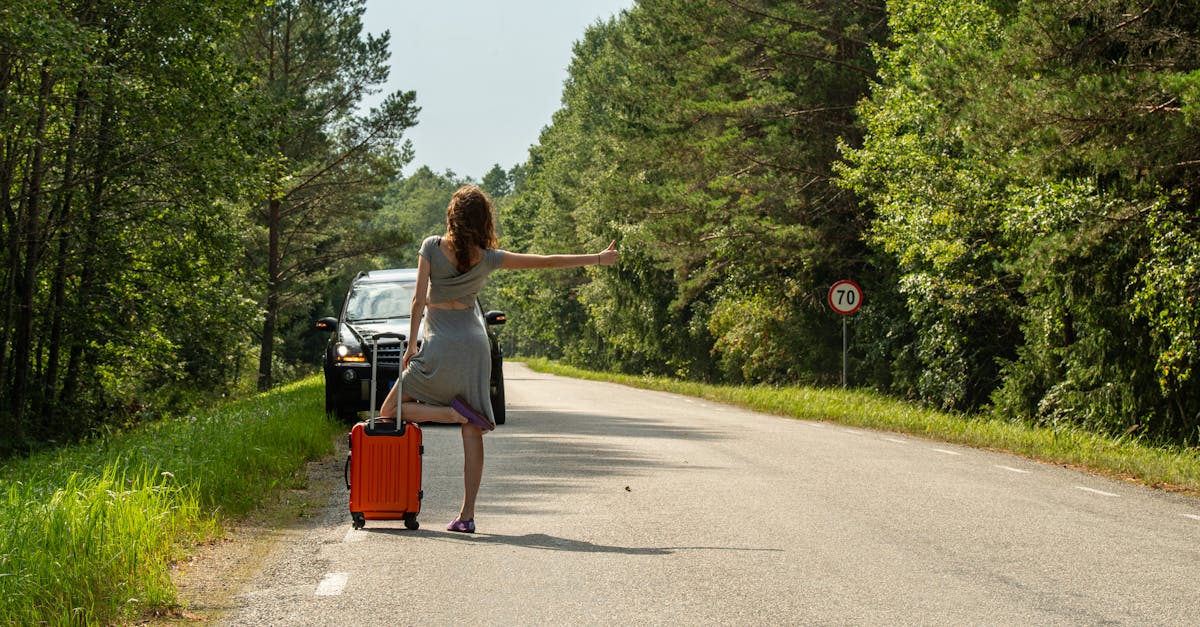 This photo was taken by Margo Evardson on Pexels.
Welcome to the sun-drenched heart of Europe, where ancient cobblestone streets meet vibrant modern life and every corner offers a new story waiting to be discovered. As your local guide, I've seen countless travelers find their true freedom in Spain, especially those venturing out on their own. Solo travel here is not only safe but incredibly rewarding, offering a unique blend of deep cultural immersion, world-class cuisine, and warm, welcoming communities that make you feel at home instantly. Whether you are planning to lose yourself in the bustling energy of Barcelona, explore the historic charm of Granada, or simply sip coffee while watching the world go by in Seville, this guide is your essential companion. We will walk you through navigating Spanish cities with confidence, share my top five destinations tailored for independent adventurers, and provide insider tips on cultural etiquette so you can connect authentically with locals. Get ready to pack your bags; Spain is calling, and it's the perfect place to discover the world—and yourself.
Navigating Spanish Cities Safely: A Solo Traveler's Guide
Navigating the vibrant streets of Spanish cities like Madrid, Barcelona, and Seville as a solo traveler is an exhilarating experience, but it requires a keen awareness of your surroundings. While Spain is generally one of the safest countries in Europe, petty crime such as pickpocketing can be prevalent in crowded tourist hubs, particularly on public transport and near major landmarks. To stay safe, keep your valuables secured in front pockets or anti-theft bags, remain vigilant when using ATMs, and avoid displaying expensive electronics unnecessarily. Embrace the local culture by engaging with residents; Spaniards are famously warm and helpful, often eager to offer directions or recommendations if you approach them politely, which can turn a simple walk into a memorable interaction.
For independent adventurers, mastering basic safety habits ensures a stress-free journey through Spain's urban landscapes. It is advisable to trust your instincts and stick to well-lit, populated areas after dark, especially if you are exploring neighborhoods that are less familiar to you. Many cities offer excellent walking tours and guided group activities, which provide a fantastic way to meet fellow travelers while learning about local history from knowledgeable guides. Additionally, keeping digital copies of your passport and important documents in a secure cloud storage service adds an extra layer of security. By blending caution with an open mind, you can fully immerse yourself in the rich tapestry of Spanish life, confident that you are navigating your adventure with both safety and style.
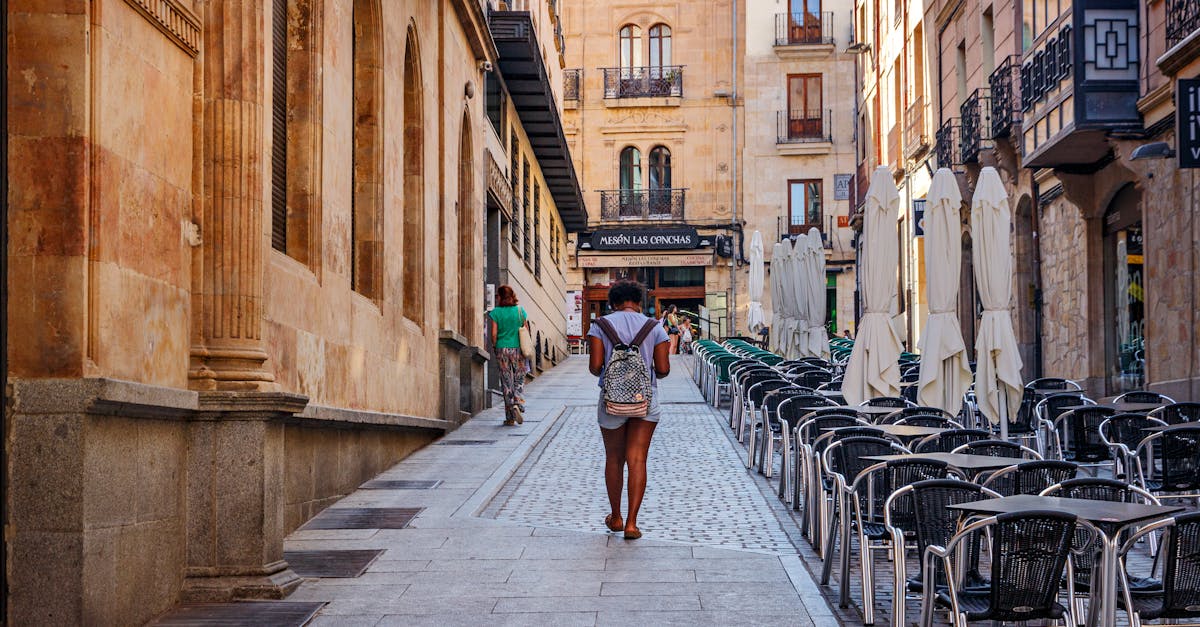 This photo was taken by Guerrero De la Luz on Pexels.
Top 5 Destinations for Independent Adventurers in Spain
For the independent adventurer seeking the thrill of exploration without a tour group, northern Spain offers an unparalleled landscape of rugged trails and hidden villages. The Camino de Santiago is the crown jewel here, but beyond the famous route lie the dramatic cliffs of the Picos de Europa in Asturias and the green, misty valleys of Galicia, where you can hike alone with confidence knowing the local communities are welcoming to solo travelers. In the Basque Country, the Gernika-Lumo region provides challenging mountain paths that reward hikers with panoramic views of the Cantabrian Sea, while the well-marked GR trails ensure you never feel lost even when venturing off the beaten path.
If your definition of adventure leans towards coastal exploration and vibrant city life, the Mediterranean coast and the Balearic Islands are essential stops for the solo traveler. Catalonia's Costa Brava features secluded coves accessible only by foot or kayak, perfect for those who want to disconnect and immerse themselves in nature, while the island of Mallorca offers a diverse mix of limestone mountains and turquoise waters ideal for self-guided cycling tours. Despite the bustling atmosphere in cities like Barcelona or Valencia, these destinations remain remarkably safe for individuals traveling alone, with robust public transport networks and a culture that embraces social interaction, making it easy to meet fellow explorers or simply enjoy a quiet evening at a local plaza.
 This photo was taken by João Godoy on Pexels.
Cultural Etiquette and Social Tips for Solo Visitors
When navigating Spanish streets as a solo traveler, embracing the local rhythm is key to a smooth experience; remember that social interactions are warm and conversational, so don't hesitate to strike up a chat with locals in bars or markets, though it is polite to greet everyone with a simple "Buenos días" or "Hola" before launching into questions. Dining culture operates on a later schedule than many other countries, with lunch typically served between 2:00 PM and 4:00 PM and dinner rarely starting before 9:00 PM, so plan your itinerary accordingly to avoid empty restaurants during off-hours. Additionally, while Spain is generally safe, maintaining situational awareness in crowded tourist hubs like Barcelona's La Rambla or Madrid's Puerta del Sol is essential, keeping valuables secure and avoiding flashy displays of wealth to blend in seamlessly with the relaxed yet alert atmosphere.
For those exploring independently, understanding the nuances of tipping and bargaining can enhance your journey; unlike in some North American cultures, tipping in Spain is not mandatory but is appreciated for exceptional service, usually involving leaving small change or rounding up the bill rather than a fixed percentage. When visiting smaller towns or traditional markets, a friendly demeanor goes a long way, and learning a few basic phrases in Spanish (or Catalan, Basque, and Galician depending on the region) demonstrates respect and often unlocks more authentic recommendations from shopkeepers and hosts. Finally, embrace the siesta culture in smaller communities where shops may close mid-afternoon, using this time to rest or explore parks, as it reflects a cherished lifestyle balance that prioritizes community and leisure over constant commercial activity.
 This photo was taken by Khánh LP on Pexels.