Slow Travel in Spain: Embracing the Art of the Afternoon Nap
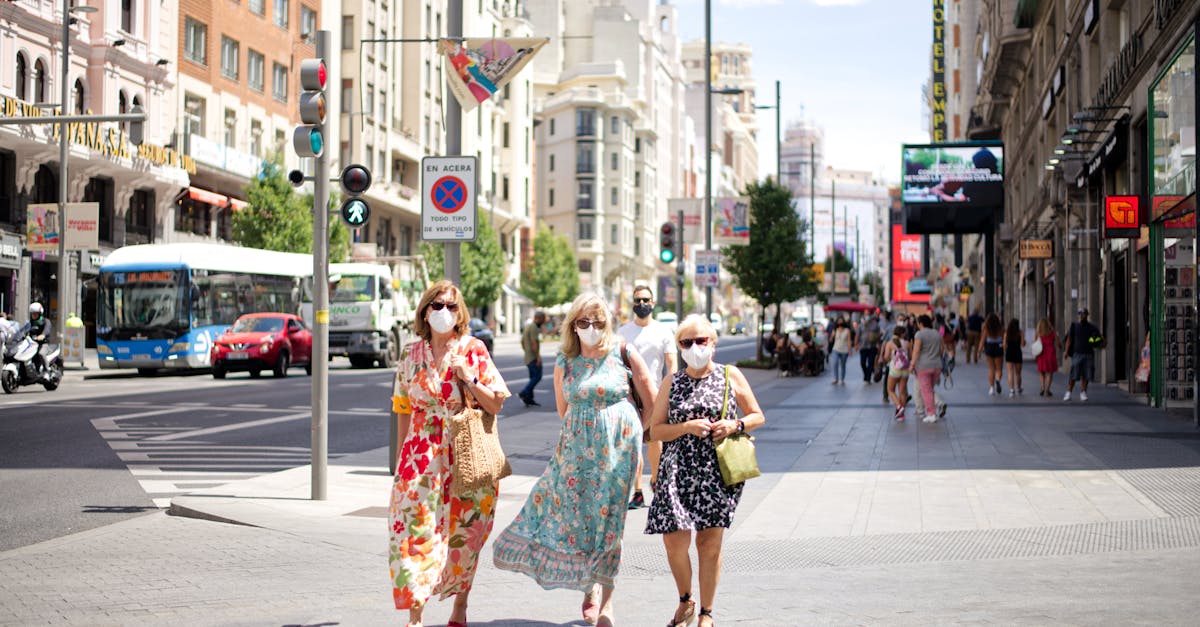 This photo was taken by Gonzalo Carlos Novillo Lapeyra on Pexels.
Bienvenidos, travelers! As your local guide through the sun-drenched streets and cobblestone plazas of Spain, I invite you to slow down and embrace a rhythm that has captivated visitors for centuries: the art of the siesta. In our fast-paced world, the Spanish concept of "Slow Travel" offers a refreshing escape, allowing us to truly savor the flavors, landscapes, and warm hospitality that make this country so special. Far from being mere laziness, this midday pause is a deeply ingrained cultural practice designed to honor the heat of the day and reconnect with life's simple pleasures. Join me as we explore The Cultural Roots of the Siesta, learn practical tips on How to Master the Midday Pause, and discover how Rediscovering Spain's Slower Rhythms can transform your journey into an unforgettable experience.
The Cultural Roots of the Siesta
 This photo was taken by Quang Nguyen Vinh on Pexels.
How to Master the Midday Pause
Mastering the midday pause, or siesta, requires a shift in mindset that rejects the frantic pace of modern tourism in favor of Spain's rhythmic embrace of rest. As the sun climbs high and the streets of cities like Seville or Granada begin to quiet down around 2:00 PM, savvy travelers observe that shops close their shutters not out of laziness, but as a cultural necessity to escape the peak heat. Instead of rushing to cram another sightseeing slot into your itinerary, find a shaded plaza or a local café where the locals are enjoying an early lunch; this is your cue to slow down, order a refreshing drink, and simply exist in the moment without the pressure of a ticking clock.
To truly honor this tradition, consider planning your afternoon around the rhythm of life rather than against it. While many tourists struggle to stay awake during these hours, embracing a brief nap in your accommodation or finding a quiet corner in a park can rejuvenate you for the vibrant evening ahead, when Spaniards themselves return to the streets with renewed energy. By aligning your schedule with the siesta, you unlock a deeper connection to Spanish culture, transforming what might seem like lost time into a luxurious opportunity to recharge, reflect, and experience the country at its most authentic and unhurried pace.
 This photo was taken by Ann H on Pexels.
Rediscovering Spain's Slower Rhythms
In the bustling heart of Madrid or the sun-drenched plazas of Seville, the true essence of Spanish life unfolds not in the hurried pace of morning commutes, but in the deliberate pause known as the siesta. This is more than just a midday break; it is a cultural rhythm that invites travelers to shed their tourist schedules and sync with the local heartbeat. As the afternoon heat rises, shops gently close their doors, streets quieten, and the world seems to slow down to a gentle hum. By embracing this lull, visitors discover a profound sense of tranquility, finding themselves sipping an espresso on a shaded terrace while watching the city drift into a peaceful reverie, a moment where time feels suspended and stress simply evaporates.
To truly master the art of slow travel in Spain, one must view this afternoon nap not as lost productivity, but as a vital restoration of spirit. It offers a unique opportunity to wander without a destination, to linger over a leisurely late lunch that stretches well past two o'clock, or to simply observe the intricate dance of daily life from a park bench. When you return to your journey refreshed, you will find that the vibrant evenings that follow are even more magical, filled with locals who have recharged for the social festivities that begin only after sunset. In these slower rhythms, Spain reveals its deepest hospitality, teaching us that sometimes the most memorable experiences are found in the spaces between our destinations.
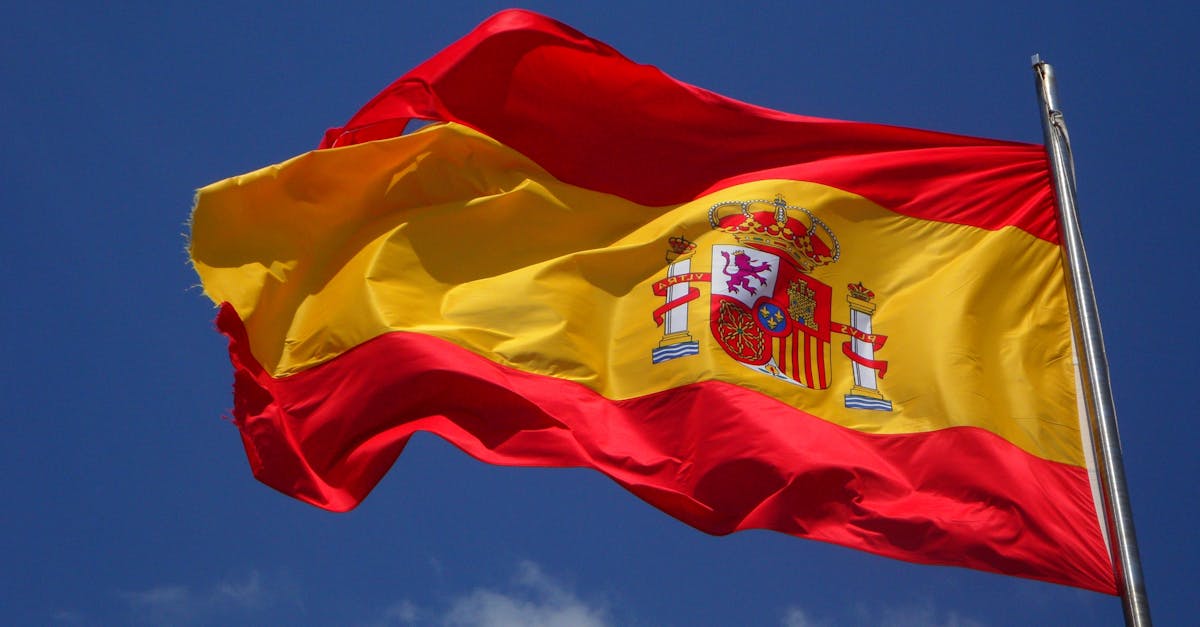 This photo was taken by Pixabay on Pexels.