Silent Streets and Ancient Wonders: The Best Places in Central Spain
 This photo was taken by Fabio Galicia on Pexels.
Welcome to the beating heart of Spain, a region where history breathes through every cobblestone and whispers from ancient walls. While the bustling coastlines often steal the spotlight, Central Spain offers a profound journey into the soul of the nation, far removed from the crowds yet rich with timeless wonder. From the medieval labyrinth of Toledo to the imposing fortifications of Ávila and the majestic silence of El Escorial, this land invites you to step back in time. Join me as we explore these silent streets and uncover the incredible treasures that define this enchanting corner of our beautiful country.
Exploring the Timeless Charm of Toledo's Historic Quarter
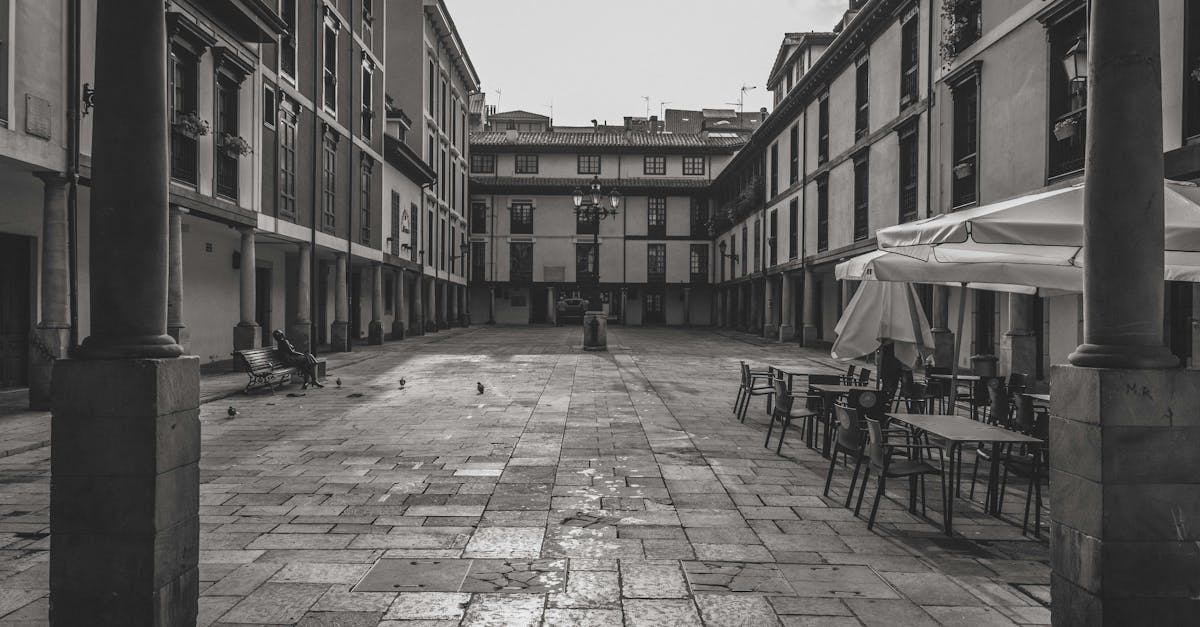
Wandering through the narrow, cobblestone lanes of Toledo's Historic Quarter feels like stepping back into a living museum where three great civilizations have left their indelible mark. As you meander past the imposing Gothic arches of the cathedral and the intricate stonework of synagogues and mosques, the silence of these ancient streets offers a profound contrast to the bustling energy of modern Madrid just an hour away. Every corner reveals a new wonder, from the hidden courtyards filled with blooming jasmine to the shadowed alleys that echo with the footsteps of centuries past, inviting you to slow down and truly absorb the layered history of this UNESCO World Heritage site.
The true magic of Toledo lies in its seamless blend of architectural grandeur and intimate human scale, making it the perfect destination for travelers seeking authentic cultural immersion. Whether you are exploring the labyrinthine Jewish Quarter or pausing to admire the view from the Alcázar overlooking the Tagus River, the city exudes a timeless charm that captivates the soul. Local artisans still practice their traditional crafts in small workshops tucked behind heavy wooden doors, offering visitors a chance to witness the enduring legacy of Toledo as the "City of Three Cultures," where art, faith, and history converge in a breathtaking symphony of stone and light.
 This photo was taken by ArtHouse Studio on Pexels.
Walking Through the Stone Labyrinths of Ávila
Stepping into Ávila is like stepping back in time, where the imposing medieval walls serve as a grand entrance to a city frozen in history. These UNESCO-listed fortifications, stretching over two kilometers and punctuated by 88 towers and eight gates, are not merely defensive structures but living arteries of the city that invite you to walk their ramparts at sunset. As you trace the ancient stones under the golden Castilian sun, the silence of the narrow streets below reveals hidden courtyards and the rhythmic clatter of horse-drawn carriages, offering a serene contrast to the bustling life within the modern town. It is here, amidst the stoic granite and ivy-clad battlements, that one truly understands the strategic importance and enduring spirit of this historic stronghold.
Beyond the formidable perimeter lies a labyrinth of cobblestone alleys that wind through the heart of Old Town, leading travelers to architectural marvels like the Gothic Cathedral of Santa María, often called "The Stone Bible" for its intricate sculptural details. As you navigate these winding paths, you will stumble upon the humble birthplace of Saint Teresa of Ávila, a site of profound spiritual significance nestled quietly among residential buildings. The interplay of light and shadow on the weathered facades creates an atmosphere of timeless mystery, while the aroma of local roast meats and fresh bread wafting from small taverns adds a warm, inviting sensory layer to your exploration. Every corner turned in Ávila offers a new discovery, whether it is a secluded chapel or a panoramic view of the Sierra de Gredos mountains, making this stone labyrinth an unforgettable chapter in any Central Spain journey.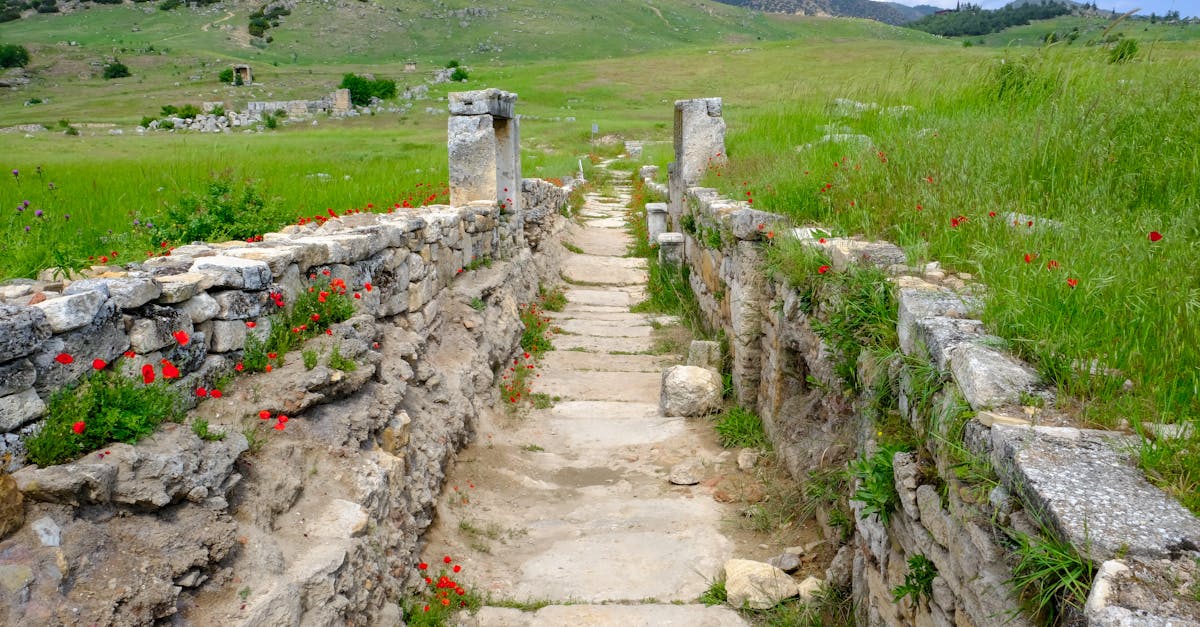 This photo was taken by Esra Nurdoğan on Pexels.
Discovering the Royal Grandeur of El Escorial
Just a short train ride northwest of Madrid lies the majestic Monasterio de San Lorenzo de El Escorial, a sprawling complex that serves as a stunning testament to Spain's imperial power and spiritual devotion. Often referred to as "the eighth wonder of the world," this UNESCO World Heritage site was commissioned by King Philip II in the 16th century, blending Renaissance architecture with austere Habsburg grandeur. As you wander through its vast courtyards and marble halls, you will be struck by the sheer scale of the building, which functions simultaneously as a royal palace, a monastery, a library, and a mausoleum for Spanish monarchs, all under one immense roof.The interior is equally breathtaking, housing an incredible collection of art from masters like Titian, Tintoretto, and El Greco, while the famous Library boasts thousands of ancient manuscripts displayed on magnificent wooden shelves. Beyond the walls, the surrounding landscape offers serene gardens and fountains that provide a peaceful contrast to the imposing stone structure, making it a perfect destination for those seeking both historical depth and architectural awe. Whether you are tracing the footsteps of kings or simply admiring the intricate details carved into every pillar, El Escorial offers a profound glimpse into the soul of Central Spain's golden age.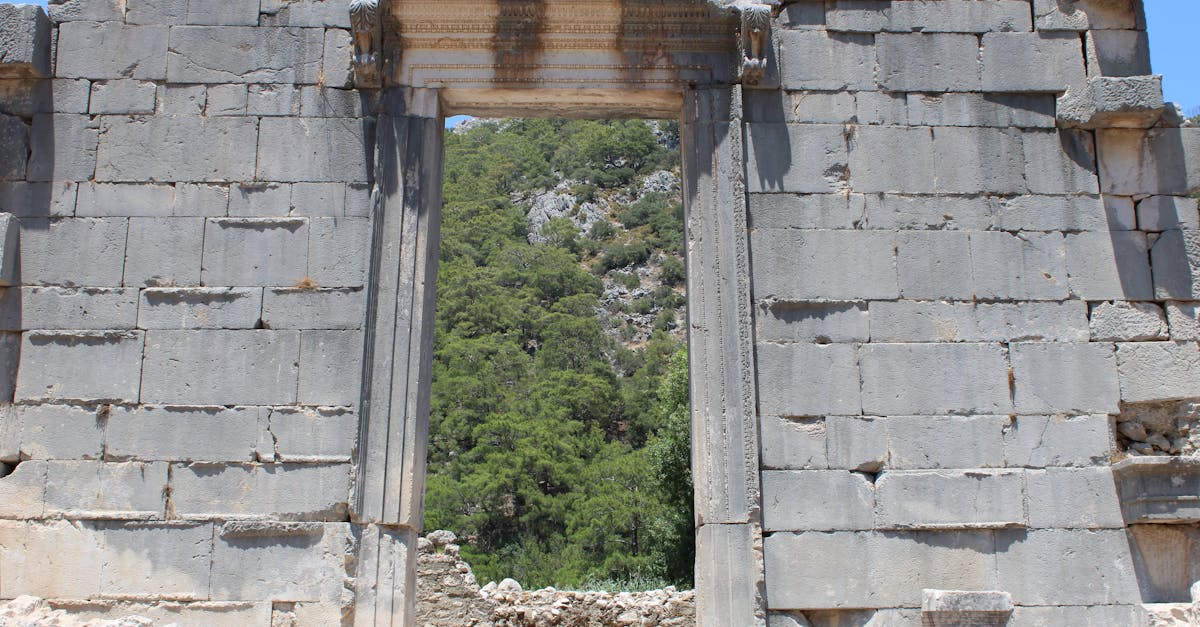 This photo was taken by Aslı Yeşilkaya on Pexels.