Siesta and Sunset: Mastering the Spanish Way of Life
 This photo was taken by Erik Mclean on Pexels.
Welcome to the heart of Spain, where time seems to flow with a rhythm all its own. If you've ever wondered why the streets come alive after dark or how locals manage to savor every moment of the day, you are in the right place. In this post, we invite you to step off the clock and embrace the legendary Spanish way of life. We will explore the true meaning behind the midday pause, discovering that it is far more than just a quick nap; it is a sacred moment of reconnection. Then, we'll guide you through the magic of el atardecer, teaching you how to watch the golden hour paint the sky while sharing stories with friends. Finally, we'll decode the late-night dining culture, showing you why dinner at ten o'clock is not a quirk, but a celebration of community. Get ready to slow down, unwind, and truly master the art of living like a local.
The Art of the Midday Pause: More Than Just a Nap
In Spain, the midday pause is far more than a simple nap; it is a deeply ingrained cultural ritual that prioritizes well-being over relentless productivity. When the sun reaches its zenith and temperatures climb, locals gracefully retreat to their homes or quiet plazas, allowing the frenetic pace of the morning to dissolve into a period of restorative silence. This tradition, known as the siesta, historically served a practical purpose in an agrarian society, offering respite from the heat while families shared a leisurely lunch, but today it remains a cherished opportunity to disconnect, recharge, and reconnect with loved ones without the pressure of the clock.
Embracing this rhythm transforms your travel experience from a hurried checklist of sights into a fluid journey that mirrors the local tempo. By aligning your schedule with the Spanish day, you discover that the afternoon lull is not a gap in activity but a golden hour for slow living, where you might enjoy a coffee on a terrace, wander through a museum at a relaxed pace, or simply observe the world slowing down around you. This intentional pause sets the stage for the true magic of Spain: the sunset. As the energy returns in the late afternoon, the streets come alive with the anticipation of dinner and evening strolls, proving that mastering the art of the midday break is the key to unlocking the authentic soul of Spanish life.
 This photo was taken by MC G'Zay on Pexels.
When the Golden Hour Begins: Embracing El Atardecer
 This photo was taken by Ann H on Pexels.
Dinner at Ten: How Spaniards Redefine Evening Rhythms
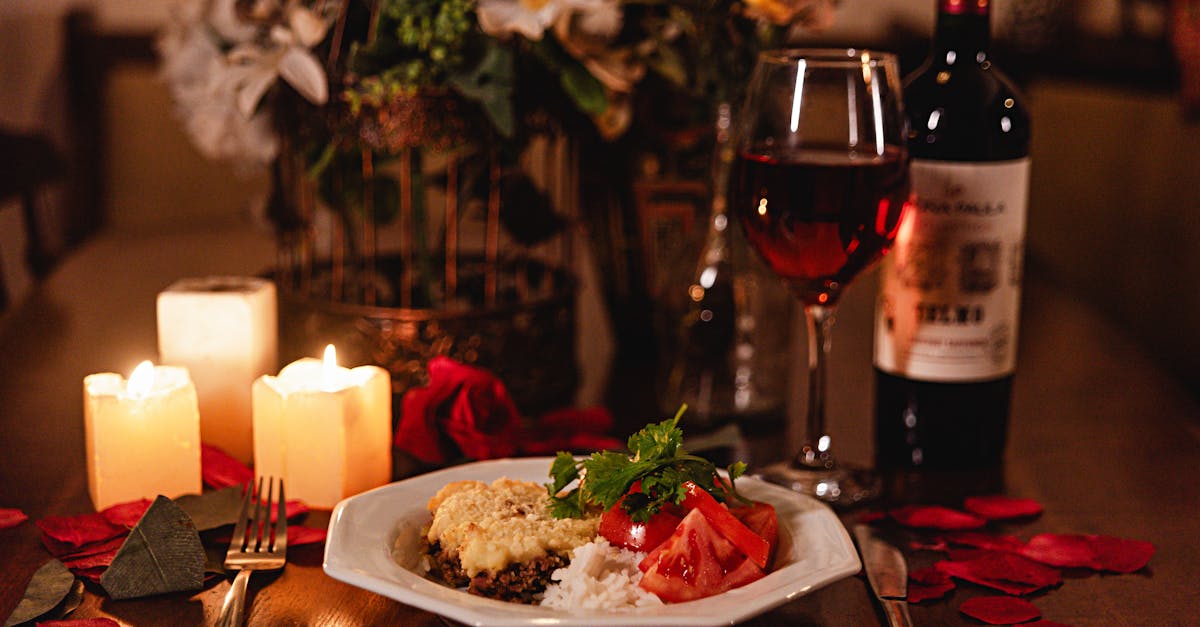
In Spain, the dinner hour is not merely a mealtime but a cherished social ritual that often begins well past 9:00 PM, with locals gathering around tables at 10:00 or even later. This late dining tradition stems from a unique historical alignment of work schedules and daylight hours, creating an evening rhythm where the sun sets before the city truly comes alive for the night. Unlike many other cultures where dinner is a quick affair to end the day, the Spanish approach treats it as the grand finale of the day's journey, a time to linger over tapas, savor slow-cooked stews, and engage in lively conversation that can easily stretch into the early hours of the morning.
This distinct pacing allows visitors to experience the vibrant pulse of Spanish nightlife, which only truly ignites after the main courses are served. While tourists accustomed to earlier bedtimes might find this schedule initially disorienting, embracing the "dinner at ten" mentality unlocks the true essence of Spanish hospitality and community. By adjusting your watch to local time, you transform a simple meal into a cultural immersion, witnessing how families and friends alike prioritize connection over efficiency, proving that in Spain, the most important part of the day often happens when the rest of Europe has already retired for the night.
 This photo was taken by Vinícius Vieira ft on Pexels.