Siesta Culture: How to Embrace the Spanish Way of Life
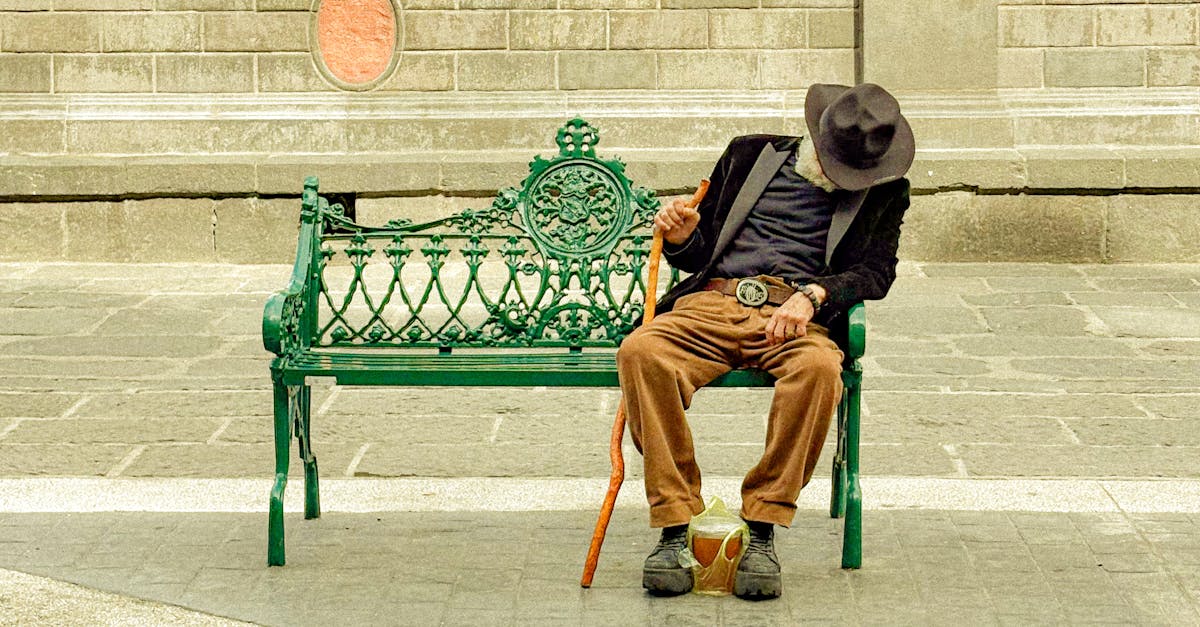 This photo was taken by David Rosales on Pexels.
The History and Logic Behind the Midday Break
 This photo was taken by Markus Winkler on Pexels.
How to Navigate Local Business Hours Like a Local
Understanding the rhythm of Spanish business hours is essential for any traveler wishing to blend in seamlessly, as the traditional siesta culture still shapes daily life in many towns and smaller cities. Typically, shops and smaller businesses close between 2:00 PM and 5:00 PM to allow staff to return home for a meal and rest, meaning you will find bustling streets in the morning that go quiet before coming alive again in the late afternoon. While major department stores and supermarkets in big metropolitan areas like Madrid or Barcelona often maintain continuous hours, it is wise to plan your shopping excursions around these midday lulls, perhaps enjoying a leisurely lunch or visiting a museum during the quiet hours rather than expecting to find every store open.
To navigate this schedule like a true local, embrace the evening as your prime time for commerce and socializing, when the city truly comes to life after 7:00 PM. Most locals do not rush through their day; instead, they savor long lunches and keep evenings open for strolling, dining, and browsing boutiques that stay open until 9:00 PM or later. By adjusting your itinerary to respect these natural pauses and peaks, you avoid the frustration of closed doors and instead immerse yourself in the authentic pace of Spain, where the day is designed for enjoyment rather than efficiency, allowing you to experience the warm hospitality that defines the Spanish way of life.
 This photo was taken by Deon Black on Pexels.
Reimagining Your Day: Productivity Without the Rush
Reimagining your day in Spain means shifting away from the relentless pace of non-stop work and embracing a rhythm that honors both productivity and well-being. Instead of pushing through until exhaustion, the Spanish model suggests working with intense focus during the morning hours, then taking a meaningful pause when the sun is highest. This break, traditionally known as the siesta, isn't merely about sleeping; it is an opportunity to disconnect, enjoy a leisurely lunch with family or friends, and recharge mentally. By stepping away from screens and responsibilities for a few hours, you return to your tasks in the late afternoon with renewed clarity and energy, proving that slowing down can actually accelerate your overall output.
This approach transforms the afternoon into a time for genuine connection rather than wasted hours, allowing you to experience the true heartbeat of Spanish culture. You might find yourself strolling through a local plaza, sipping coffee at a terrace, or simply people-watching while the world slows its tempo. Embracing this lifestyle teaches us that efficiency does not require constant motion; rather, it thrives on balance. When you adopt this "productivity without the rush" mindset, you discover that the most effective way to live and work is by respecting natural rhythms, ensuring that every moment spent is intentional, restorative, and deeply enjoyable.
 This photo was taken by RUIQING BI on Pexels.