Seasonal Spain: When to Visit for Weather and Events
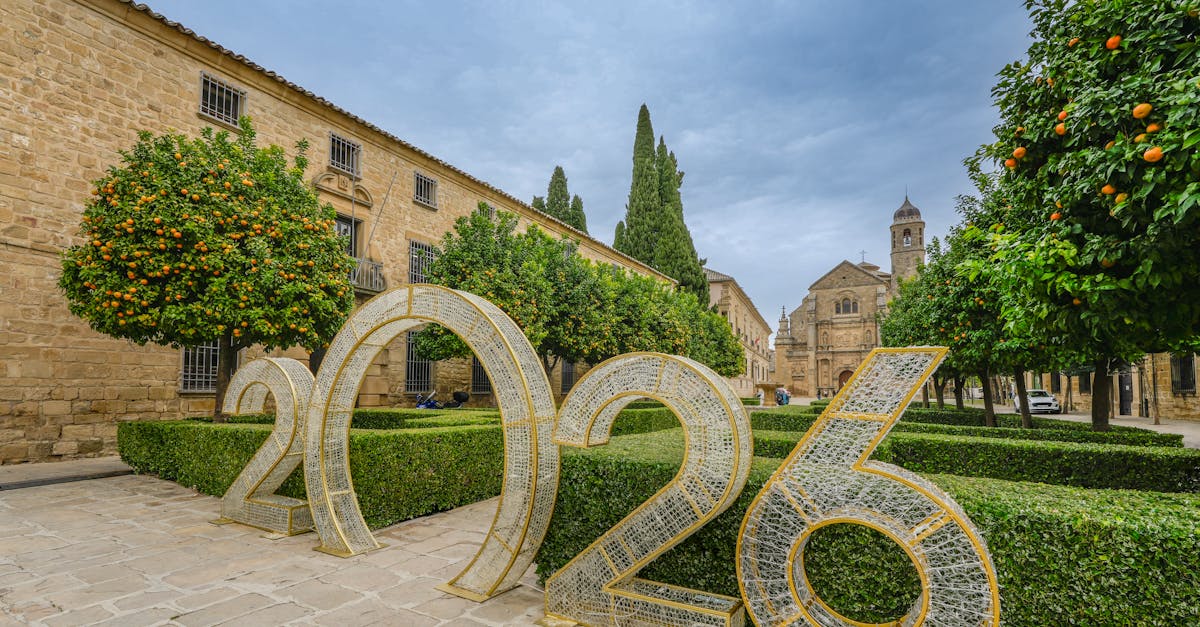 This photo was taken by Emilio Sánchez Hernández on Pexels.
Welcome to the heart of Spain, a land where the rhythm of the seasons paints every landscape with vibrant colors and lively energy. Whether you are dreaming of wandering through blooming orange groves in Andalusia, dancing barefoot on sun-drenched Mediterranean beaches, or savoring warm tapas under the glow of winter lanterns, timing your visit is the key to unlocking the country's true magic. In this guide, we will explore the perfect moments to experience Spain's diverse weather patterns alongside its most cherished festivals, from the explosive joy of spring fiestas to the cozy warmth of winter traditions. Get ready to plan your journey through a country that changes its charm with every passing month.
Springtime Festivals and Mild Climates
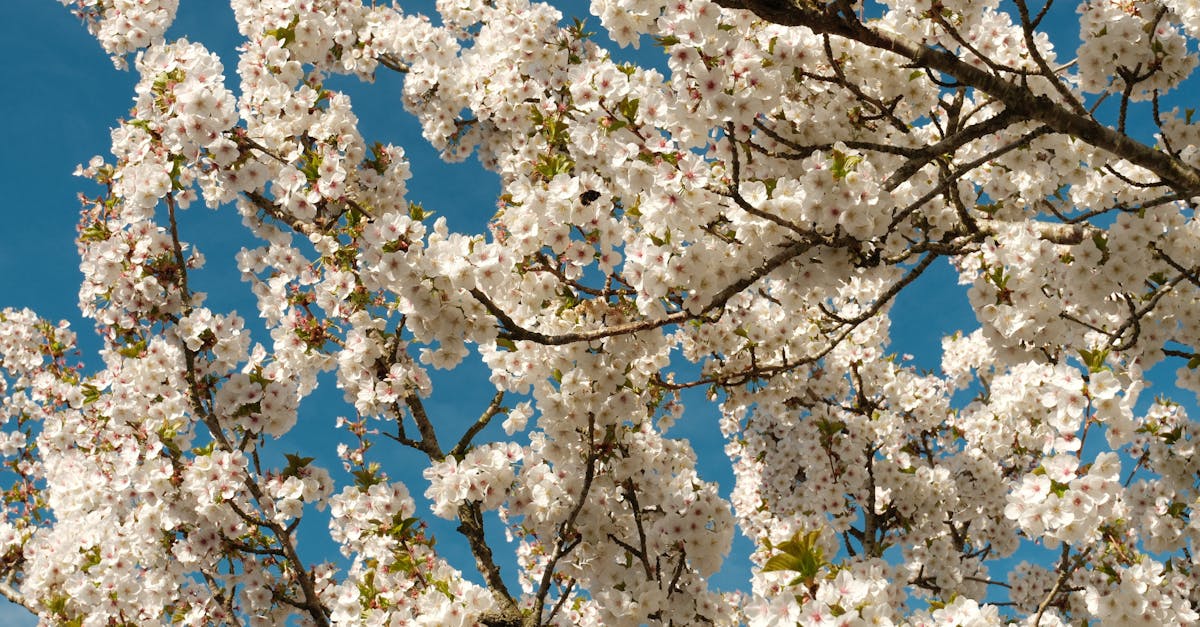
As winter retreats, Spain transforms into a vibrant tapestry of color and sound, offering some of the world's most spectacular springtime festivals. The month of April brings the legendary Semana Santa, where solemn processions fill the streets of Seville and Granada with intricate floats and penitents in traditional robes, while just days later, Valencia erupts into flames during Las Fallas, a unique celebration featuring massive papier-mâché monuments that are dramatically burned to mark the arrival of spring. These events are not merely cultural spectacles but deep-rooted traditions that invite visitors to immerse themselves in local life, often accompanied by the scent of blooming orange blossoms and the taste of fresh paella shared in bustling town squares.
Complementing this festive atmosphere is the region's increasingly mild climate, which makes spring arguably the most comfortable season for exploring the country's diverse landscapes. With average temperatures hovering between 15°C and 22°C (59°F - 72°F), the intense summer heat has not yet arrived, allowing travelers to comfortably wander through the historic alleyways of Cordoba, hike the rugged trails of the Pyrenees, or relax on the Mediterranean coast without the sweltering crowds. Whether you are strolling through the gardens of the Alhambra or sampling the crisp white wines of Rueda, the gentle sunshine and occasional light showers create an idyllic backdrop for discovering Spain's rich heritage at a leisurely pace.
 This photo was taken by Scott Barber on Pexels.
Summer Sunsets and Coastal Celebrations
As the golden light of late summer begins to dip below the horizon, Spain transforms into a breathtaking canvas where the sunsets are nothing short of magical. From the rugged cliffs of the Costa Brava to the tranquil beaches of Andalusia, the sky ignites in vibrant hues of tangerine, violet, and gold, offering a perfect backdrop for evening strolls along the promenade. This season is not just about soaking up the warmth; it is an invitation to witness nature's daily masterpiece, where the gentle Mediterranean breeze carries the scent of salt and blooming jasmine, creating an atmosphere that feels both timeless and electric.
These spectacular evenings are often accompanied by some of the country's most vibrant coastal celebrations, turning local towns into open-air festivals that pulse with life. Whether you are joining the legendary La Tomatina in Buñol or witnessing the fireworks that light up the night sky during the San Juan bonfires on the beaches of Valencia and Catalonia, the energy is infectious. Locals and visitors alike gather to dance under the stars, share tapas by the water, and embrace the communal spirit that defines Spanish summers, ensuring that every sunset marks the beginning of unforgettable memories rather than the end of the day.
 This photo was taken by Margo Evardson on Pexels.
Autumn Harvests and Winter Traditions
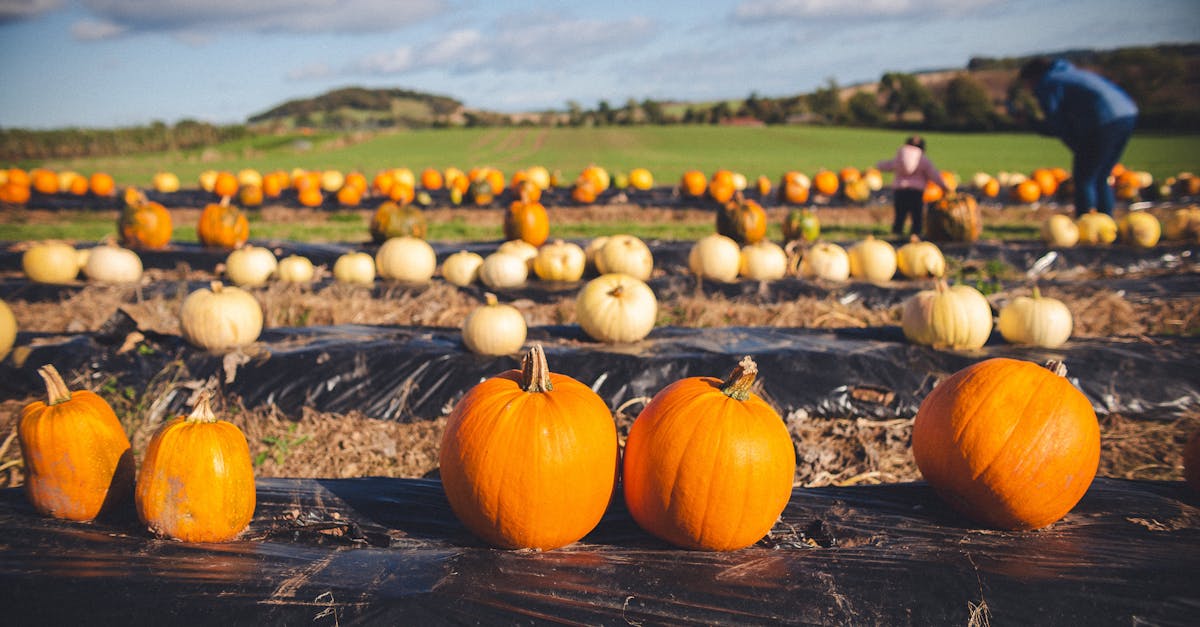
As the summer crowds begin to thin, Spain transforms into a vibrant tapestry of autumn harvests, offering travelers an authentic glimpse into the country's agricultural soul. From mid-September through October, regions like La Rioja and Ribera del Duero come alive with the grape harvest (la vendimia), where visitors can join locals in traditional stomping ceremonies followed by celebratory wine tastings that showcase the finest vintages. Simultaneously, the olive groves of Andalusia and the chestnut forests of Galicia turn golden and brown, inviting food lovers to partake in seasonal festivals dedicated to truffles, mushrooms, and new olive oil. This period is not only about the produce but also the atmosphere; the air grows crisp while the landscape glows with warm hues, providing perfect conditions for hiking the Camino de Santiago or exploring historic villages without the intense heat of midsummer.
Transitioning from the harvest fields to the cozy hearths, winter in Spain brings a unique blend of religious solemnity and festive joy that defines its cultural calendar. December ushers in the famous "Nochebuena" and "Nochevieja," where families gather for lavish feasts featuring roast lamb, suckling pig, and the ubiquitous turrón and polvorones sweets, creating a warm and welcoming ambiance even on chilly nights. The season culminates in January with the spectacular Three Kings Parade (Cabalgata de Reyes) on January 5th, a dazzling spectacle of floats and confetti that rivals Christmas parades elsewhere, marking the true end of the holiday season before the children receive their gifts. Whether you are seeking the snow-capped peaks of the Pyrenees for skiing or wandering through the illuminated streets of Seville during the Feria de San Lucas, winter offers a magical, intimate experience of Spanish tradition away from the tourist trails.
 This photo was taken by Jilly Noble on Pexels.