Seasonal Spain: What to Do and See in Every Month of the Year
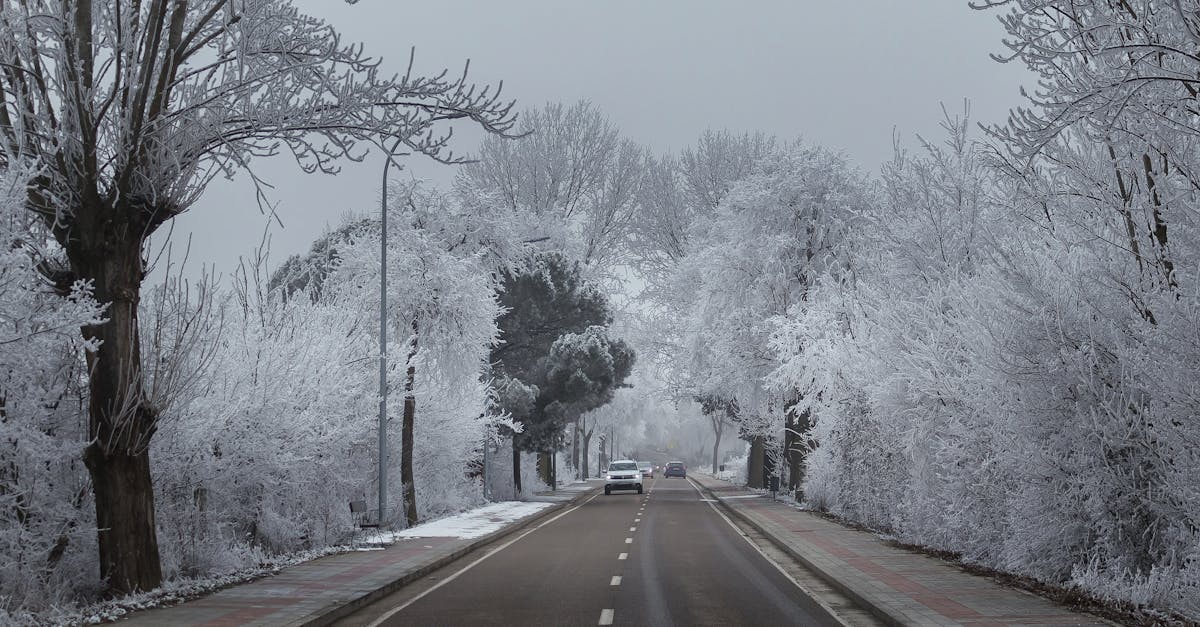 This photo was taken by Francisco Fernández on Pexels.
Welcome to the heart of the Iberian Peninsula, a land where the rhythm of life is dictated by the sun, the sea, and the seasons. Spain is not merely a destination; it is an ever-changing tapestry that offers a unique experience with every passing month. From the vibrant bloom of Andalusia's orange groves in spring to the golden hues of the vineyards in autumn, each season unveils a different facet of our rich culture and breathtaking landscapes. Whether you are chasing the electric energy of coastal festivals under the summer sky or seeking the quiet magic of snow-capped peaks and winter light in the north, there is always something new to discover. Join us as we guide you through a year-round journey, exploring the seasonal wonders that make Spain truly unforgettable.
Springtime Festivals and Coastal Escapes
As the winter chill fades, Spain erupts into a kaleidoscope of color and sound during its most vibrant springtime festivals. In late March, Valencia transforms into a sea of fire and fragrance for Las Fallas, where towering papier-mâché monuments are spectacularly burned in bonfires that light up the night sky. A few weeks later, Seville's streets overflow with the elegance of Semana Santa processions, followed immediately by the Feria de Abril, where locals don traditional flamenco attire to dance under thousands of illuminated tents. Whether you are sipping sherry in Jerez or watching the running of the bulls in Pamplona, these celebrations offer an immersive cultural experience that showcases the passionate soul of the Spanish people.
While the festivals captivate the interior, the coastal regions begin their transformation into idyllic escapes as the Mediterranean and Atlantic waters warm up perfectly for swimming. By May and June, the sun-drenched beaches of Costa del Sol and the Balearic Islands come alive without the stifling crowds of peak summer, offering ideal conditions for sailing, snorkeling, and sunbathing. The picturesque white villages of Andalusia provide a serene backdrop for exploring historic sites before retreating to crystal-clear coves along the Costa Brava or the rugged cliffs of Galicia. This season is perfect for travelers seeking a harmonious blend of cultural immersion and relaxation, allowing you to enjoy the golden hour on the beach after a morning spent wandering through ancient plazas.
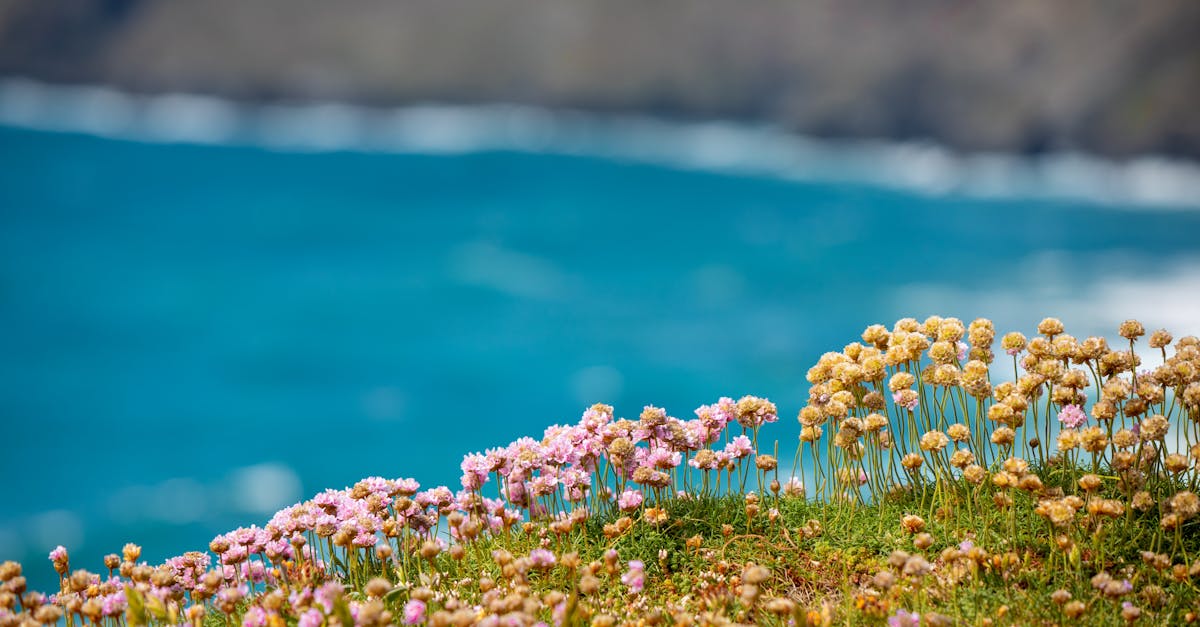 This photo was taken by David Roberts on Pexels.
Summer Sunsets and Northern Greenery
As the summer heat begins to soften in late August and September, Spain transforms into a canvas of golden light and dramatic skies, particularly along its southern and eastern coasts. In Andalusia and the Balearic Islands, the sunsets are nothing short of theatrical; over the cliffs of Cabo de Gata or the beaches of Mallorca, the sky ignites in shades of tangerine, violet, and deep crimson, casting a warm glow on whitewashed villages and historic fortresses. This is the perfect time to join locals for an evening stroll (paseo) before dinner, sipping chilled sangria or local wine as the day's temperature drops, offering a magical contrast to the scorching midday sun that defined the earlier months.
In stark contrast to the arid south, the northern regions of Galicia, Asturias, and the Basque Country burst into vibrant emerald hues during these same months, where the Atlantic rains have nourished lush, rolling hills and dense forests. While the coastlines here offer fewer hours of direct sunlight, the atmospheric quality creates a mystical, soft-focus beauty where mist often clings to ancient stone castles and verdant valleys. Travelers can explore the dramatic greenery of the Picos de Europa or wander through the oak-lined paths of the Cantabrian coast, enjoying cooler temperatures ideal for hiking and immersing themselves in a landscape that feels worlds away from the dry heat of the interior, proving that Spain's seasonal diversity offers a unique charm regardless of the weather.
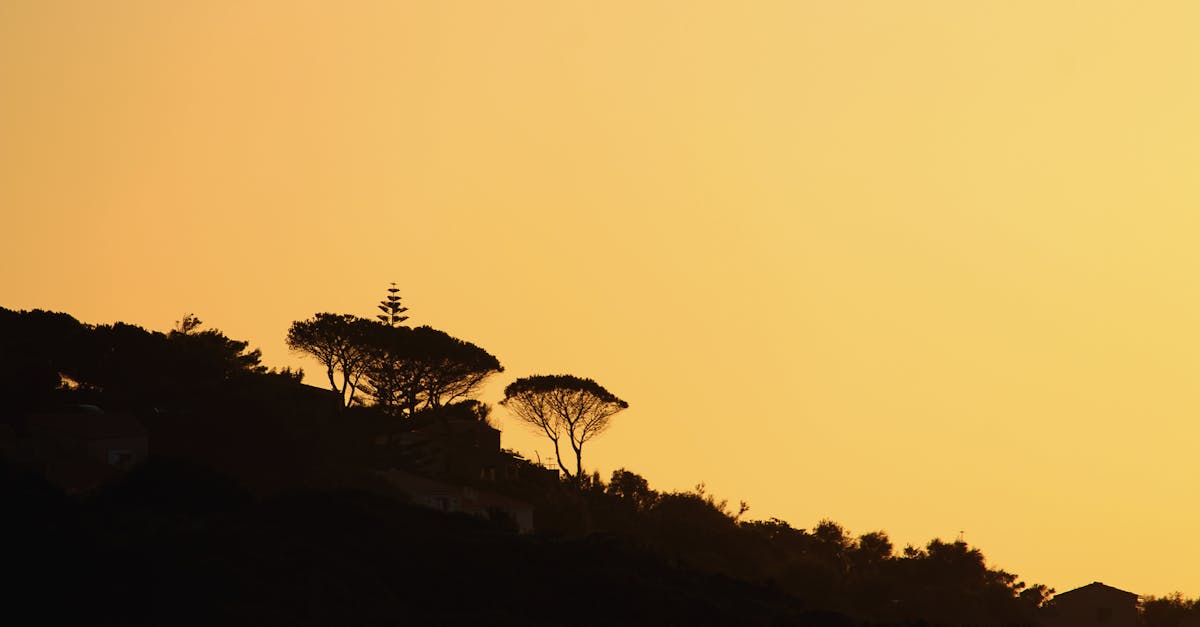 This photo was taken by Serinus on Pexels.
Autumn Harvests and Winter Light
As the summer crowds thin, Spain transforms into a vibrant tapestry of autumn harvests, inviting travelers to immerse themselves in the country's rich agricultural traditions. From mid-September through November, the Rioja and Ribera del Duero regions come alive with the grape harvest, offering unforgettable experiences like stomping grapes in traditional vineyards and sampling young wines at local bodegas. Further south, the olive groves of Andalusia turn golden as farmers gather the season's first oil, while the chestnut festivals in Galicia celebrate the earthy bounty of the mountains. This period is also perfect for food lovers exploring the markets, where you can taste fresh mushrooms, truffles, and late-season fruits that define the Spanish table during these cooler months.
When winter arrives, the light in Spain takes on a unique clarity that reveals the true colors of its landscapes and architecture. Unlike the harsh winters of northern Europe, many parts of the peninsula enjoy mild temperatures and long hours of sunshine, making it an ideal time to explore historic cities without the stifling heat or queues. The low angle of the winter sun casts dramatic shadows across the white-washed villages of the Alpujarras and illuminates the intricate details of Granada's Alhambra, creating a magical atmosphere for photography and quiet contemplation. Whether you are skiing in the Sierra Nevada or strolling through the Christmas lights of Madrid and Barcelona, the combination of crisp air, festive cheer, and brilliant winter light offers a distinctively Spanish charm that is hard to find elsewhere.
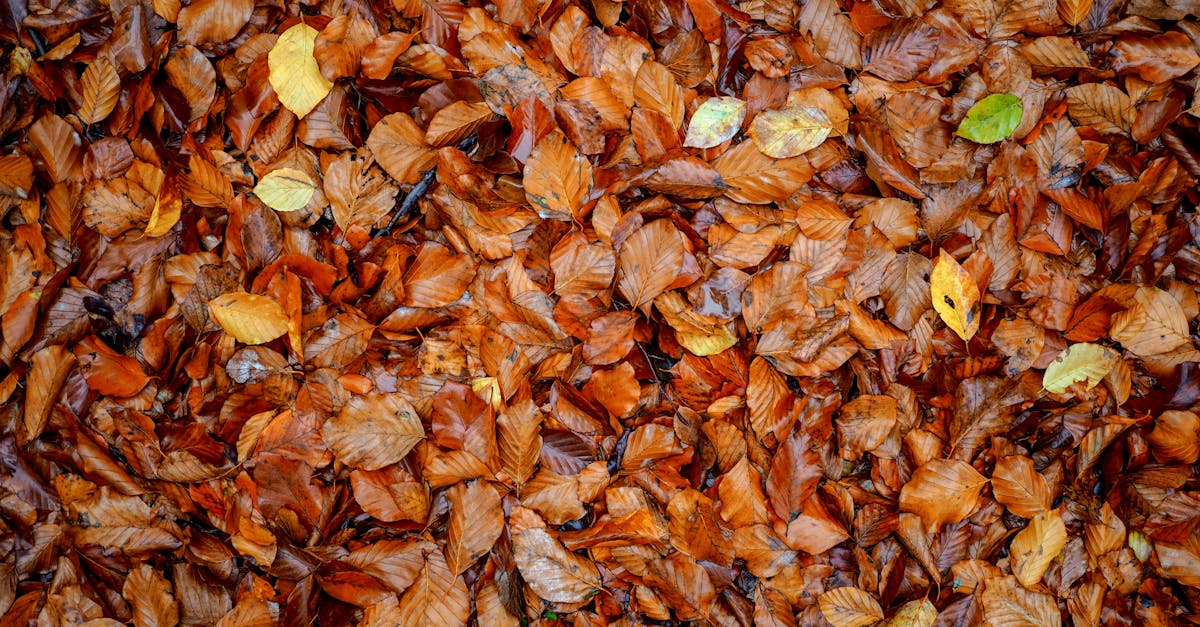 This photo was taken by Mateusz Feliksik on Pexels.