Seasonal Spain: Planning Your Trip Around Harvests and Festivals
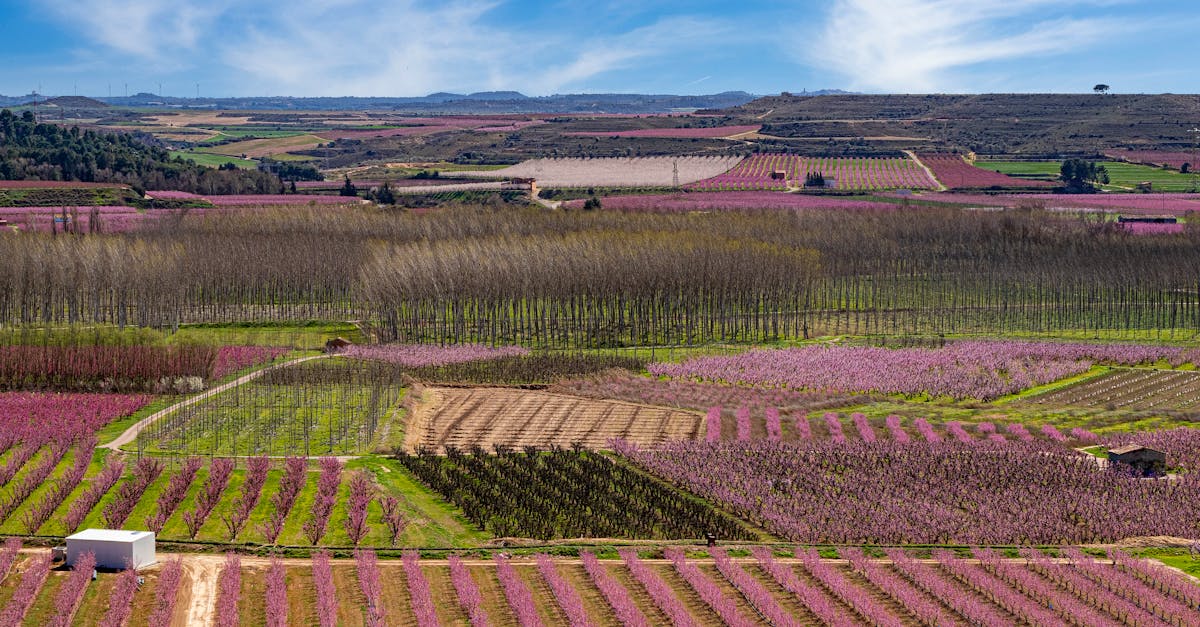 This photo was taken by Manuel Torres Garcia on Pexels.
¡Hola, travelers! Welcome to the beating heart of Spain, where the rhythm of life is dictated not just by the sun, but by the earth's generous cycles. While many visitors plan their itineraries around famous landmarks, the true magic of our country unfolds during its vibrant harvest seasons and legendary festivals. Whether you dream of stomping grapes in La Rioja under the autumn sky, tasting the freshest oranges in Valencia during winter, or dancing through streets engulfed in the fiery spectacle of local celebrations, timing your visit correctly transforms a simple trip into an unforgettable cultural immersion. Join us as we unlock the secrets of Seasonal Spain, guiding you on how to align your journey with the nation's most delicious and dazzling moments.
This photo was taken by Manuel Torres Garcia on Pexels.
¡Hola, travelers! Welcome to the beating heart of Spain, where the rhythm of life is dictated not just by the sun, but by the earth's generous cycles. While many visitors plan their itineraries around famous landmarks, the true magic of our country unfolds during its vibrant harvest seasons and legendary festivals. Whether you dream of stomping grapes in La Rioja under the autumn sky, tasting the freshest oranges in Valencia during winter, or dancing through streets engulfed in the fiery spectacle of local celebrations, timing your visit correctly transforms a simple trip into an unforgettable cultural immersion. Join us as we unlock the secrets of Seasonal Spain, guiding you on how to align your journey with the nation's most delicious and dazzling moments.
The Grape Harvest: La Vendimia and Wine Country Adventures
As the golden light of late summer turns to the crisp hues of autumn, Spain's vineyards come alive with the rhythmic energy of La Vendimia, the traditional grape harvest that is as much a cultural ritual as it is an agricultural necessity. From the sun-drenched hills of La Rioja and Ribera del Duero to the cool, misty slopes of Rías Baixas, this season invites travelers to step out of the ordinary tourist path and into the heart of Spanish viticulture. Visitors can join local workers in the fields, learning the ancient art of hand-picking grapes at their peak ripeness before participating in the joyous celebrations that follow, where wine is poured freely and communities gather to give thanks for the year's bounty.
Beyond the vineyards themselves, the harvest season transforms entire regions into open-air festivals where history, gastronomy, and community spirit intertwine. In towns like Haro or Logroño, the air fills with the scent of fermenting must and woodsmoke as locals don festive attire for parades featuring giant floats, folk music, and the iconic "Battle of Wine" in Haro, where participants drench each other in red juice to symbolize fertility and abundance. For the discerning traveler, these months offer a unique opportunity to pair guided tours of historic bodegas with exclusive tastings of new vintages, all while experiencing the warm hospitality that defines rural Spain during its most vibrant time of year.
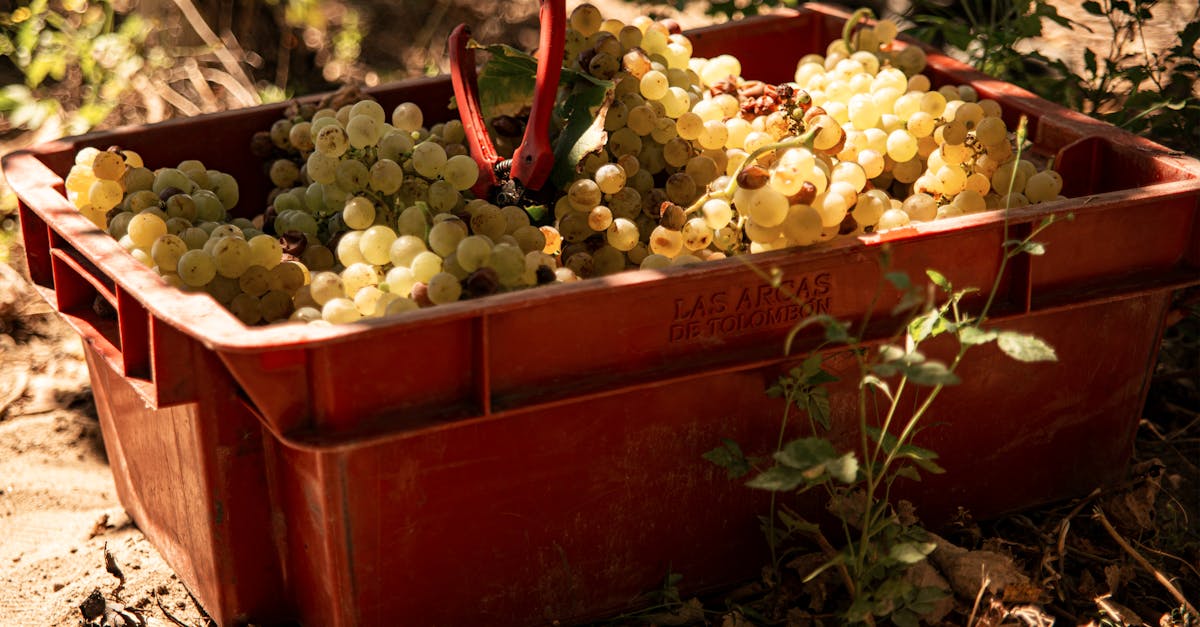 This photo was taken by Gonzalo Acuña on Pexels.
From Tomatoes to Oranges: Spain's Culinary Harvest Calendar
Spain's culinary calendar is a vibrant tapestry woven from the earth's bounty, inviting travelers to witness the country's agricultural rhythm firsthand. In late summer and early autumn, the air in La Rioja and Catalonia fills with the earthy scent of the tomato harvest, culminating in the legendary La Tomatina festival where thousands gather to celebrate this red fruit in a joyous, messy battle. As the season transitions into winter, the citrus groves of Valencia come alive; the sun-drenched orange trees are heavy with fruit, offering a sweet contrast to the crisp air while local farmers host 'Fiestas de la Naranja' that combine traditional music, parades, and the chance to taste freshly squeezed juice straight from the tree.
Planning your visit around these specific harvest windows transforms a standard sightseeing trip into an immersive cultural experience, allowing you to participate in traditions that have defined Spanish rural life for centuries. Whether you are joining the grape-picking crews in La Mancha during the vendimia or attending the olive oil festivals in Andalusia when the first cold-pressed oil is pressed, these events offer authentic connections to local communities beyond typical tourist attractions. By aligning your itinerary with Spain's seasonal produce, you not only guarantee access to the freshest ingredients at local markets but also gain entry to exclusive festivities that showcase the deep pride Spaniards take in their land and its rich, seasonal offerings.
 This photo was taken by Erik Mclean on Pexels.
Festivals of Fire and Flavor: Timing Your Visit with Local Celebrations
Spain's calendar is punctuated by spectacular celebrations where fire and flavor dance together, offering travelers an immersive glimpse into the country's fiery soul. Imagine arriving in Valencia during Las Fallas in March, where entire neighborhoods erect towering, satirical papier-mâché monuments that are spectacularly burned to the ground on the final night, a ritual symbolizing renewal and purification. For those seeking culinary warmth, the autumn harvest festivals provide a perfect backdrop; towns across the region transform into open-air kitchens for events like the La Tomatina in Buñol or the wine harvest fiestas in La Rioja, where locals celebrate their agricultural bounty with parades, traditional dances, and feasts featuring the season's freshest ingredients.
Timing your visit to coincide with these specific regional festivities can elevate a standard holiday into a once-in-a-lifetime experience, though it requires careful planning as accommodations fill up months in advance. While the summer months bring the famous Running of the Bulls in Pamplona and the San Fermín festival, cooler seasons offer equally vibrant opportunities like the Carnival of Cádiz with its witty musical satire or the Christmas markets that infuse cities with the aroma of roasted chestnuts and mulled wine. By aligning your itinerary with these seasonal peaks, you not only witness the raw energy of Spanish tradition but also connect deeply with the local community, sharing in the collective joy of a culture that truly knows how to live life to the fullest.
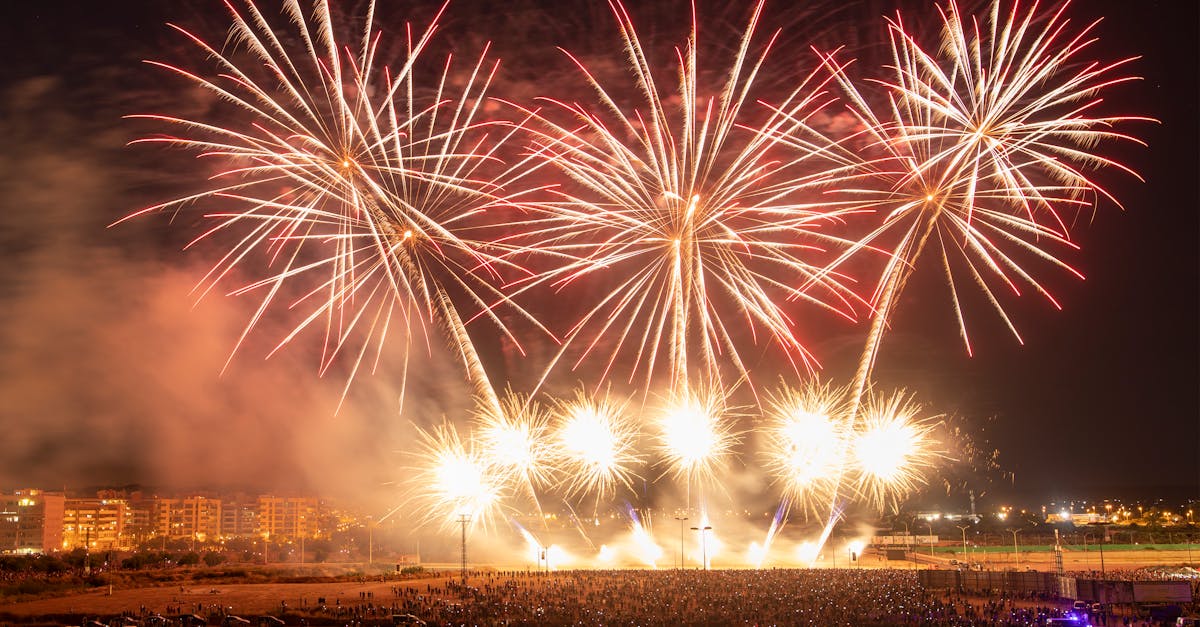 This photo was taken by Juan Soler Campello on Pexels.