Seasonal Highlights: What to Do in Spain During Winter vs. Summer
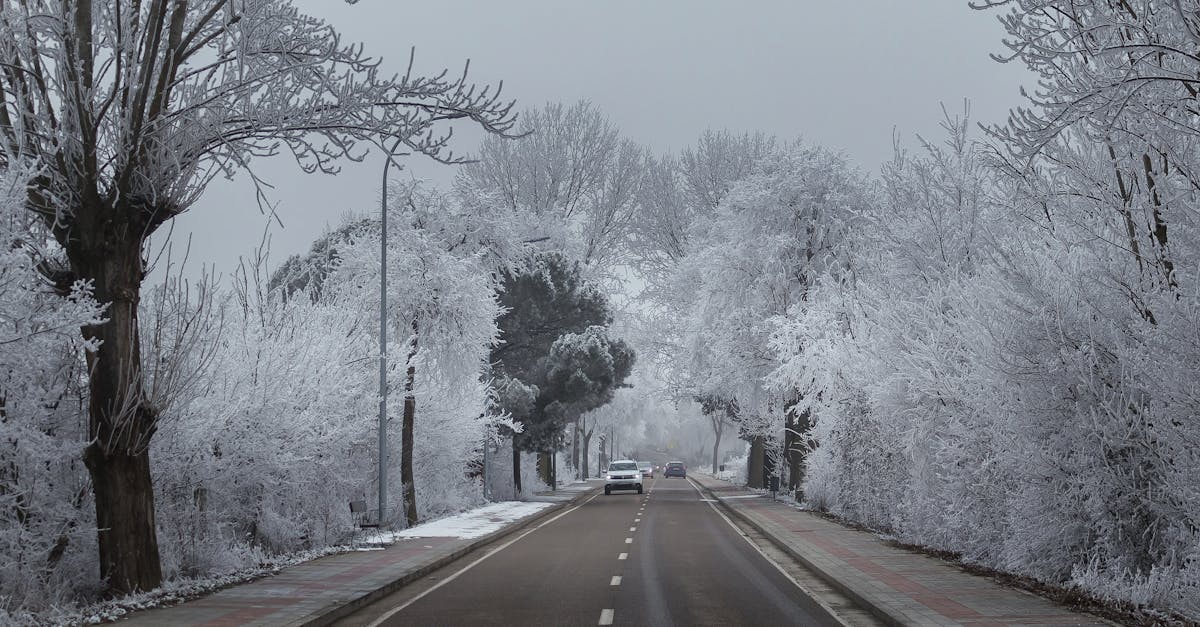 This photo was taken by Francisco Fernández on Pexels.
¡Hola, viajeros! As your local guide through the vibrant landscapes of Spain, I often get asked: "Is it better to visit in summer or winter?" The truth is, this incredible country offers two completely different worlds depending on when you choose to arrive. While many dream of sun-drenched beaches and lively festivals under the scorching August sun, others find magic in the crisp mountain air and twinkling lights of December. Whether you are chasing snow-capped peaks in the Pyrenees, sipping hot chocolate at a Christmas market, diving into the turquoise waters of the Costa del Sol, or joining the tomato-throwing chaos of La Tomatina, there is a perfect season waiting just for you. Join me as we explore the seasonal highlights that make Spain a year-round destination, from cozy winter escapes to vibrant summer celebrations and the hidden gems found in between.
Winter Wonders: Skiing in the Pyrenees and Cozy Christmas Markets
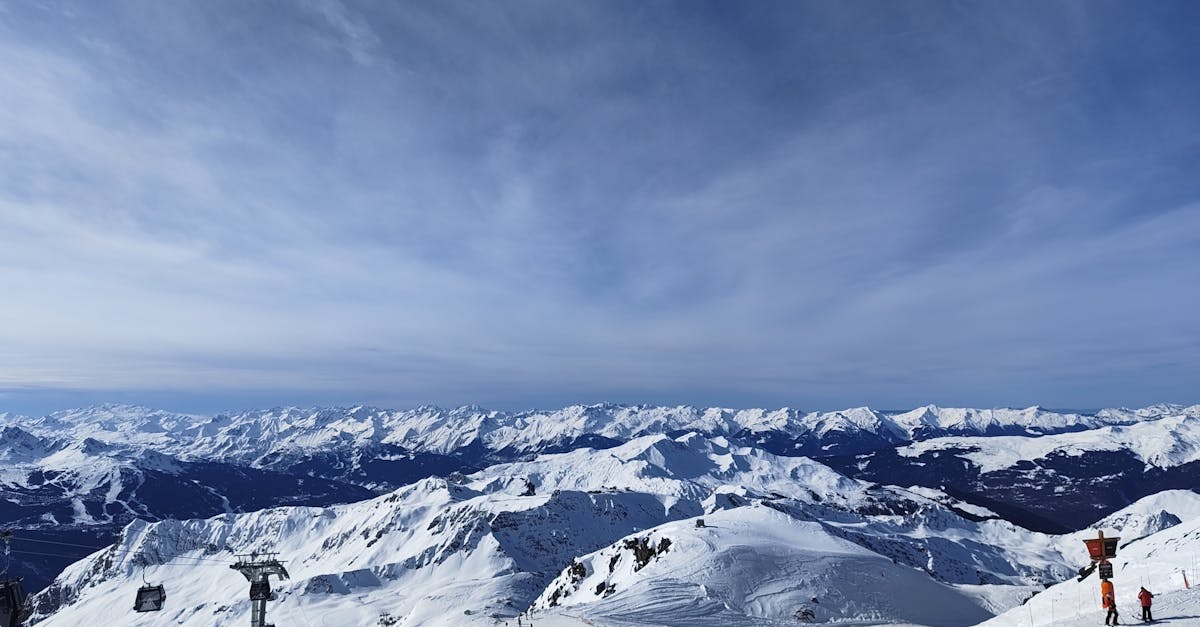
While summer draws crowds to the sun-drenched coasts, winter transforms the majestic Pyrenees into a premier destination for alpine enthusiasts. Stretching along the border with France, this mountain range offers world-class ski resorts like Baqueira-Beret and Formigal, where powdery slopes cater to everyone from beginners to seasoned experts. Beyond the thrill of carving down fresh tracks, visitors can indulge in après-ski culture by warming up in rustic mountain huts with hearty stews and local wines, or simply soaking in the crisp, invigorating air while gazing at snow-capped peaks that seem to touch the sky.
As the festive season approaches, Spain's charm shifts from outdoor adventures to the warm embrace of its enchanting Christmas markets. Cities like Barcelona, Madrid, and Seville come alive with wooden chalets adorned with twinkling lights, selling everything from handcrafted ornaments and leather goods to delicious treats like churros con chocolate and mulled wine known as "ponche." Whether you are wandering through the historic streets of Toledo or enjoying the magical atmosphere of the Plaza Mayor in Madrid, these markets offer a perfect blend of tradition and community spirit, making them an essential stop for anyone seeking the true heart of Spanish holiday celebrations.
 This photo was taken by Loic Van Montagu on Pexels.
Summer Escapes: Beach Days on the Costa del Sol and La Tomatina
When the Spanish winter fades, the sun-drenched Costa del Sol transforms into a world-class playground for beach lovers. Stretching along the southern coast from Málaga to Almería, this region boasts over 300 days of sunshine annually, making it the perfect antidote to colder climates. Visitors can spend their days lounging on golden sands in Marbella or Torremolinos, swimming in the warm Mediterranean waters, and indulging in fresh seafood at bustling seaside chiringuitos. As evening falls, the vibrant promenade comes alive with locals and tourists alike enjoying long strolls, while the nearby Sierra Nevada mountains provide a stunning backdrop, offering a unique contrast between sea and snow just an hour away.
No summer itinerary in Spain would be complete without experiencing the electric chaos of La Tomatina in Buñel, near Valencia, which typically takes place on the last Wednesday of August. This legendary festival turns the small town into a sea of red as thousands of participants engage in the world's largest food fight, hurling overripe tomatoes at each other until the streets are coated in pulp. Beyond the sheer fun and messiness, the event fosters a incredible sense of community and joy that is quintessentially Spanish. After the battle concludes, fire hoses wash down the participants and the town square, leaving everyone refreshed and ready to celebrate the end of summer with local paella and wine under the starlit sky.
 This photo was taken by Erik Mclean on Pexels.
Shoulder Season Secrets: Best Times for City Tours and Wine Harvests
Embrace the magic of the shoulder season, typically spanning from late October to early November or March to May, when Spain's major cities like Madrid and Barcelona transform into intimate playgrounds for culture seekers. During these months, you can stroll through the Prado Museum or explore the intricate details of Gaudí's Sagrada Família without battling the sweltering summer heat or the overwhelming crowds that define peak tourism. The mild temperatures make wandering the historic quarters of Seville or the vibrant streets of Valencia a pure delight, allowing you to savor long lunches in sun-drenched plazas and enjoy evening tapas tours with a local flair that is often lost during the chaotic high season.
For wine enthusiasts, the autumn shoulder season offers an unparalleled opportunity to witness the dramatic harvest (la vendimia) in regions such as La Rioja, Ribera del Duero, and Priorat. As the vines are stripped of their golden grapes, wineries open their doors for exclusive tours where you can participate in picking, learn traditional crushing methods, and taste the very first must of the year directly from the barrel. This period not only provides a deeper connection to Spain's viticultural heritage but also ensures that accommodation rates are significantly lower, allowing you to stay in charming rural bodegas and celebrate the fruits of the earth with authentic warmth and hospitality before the winter chill sets in.
 This photo was taken by Rohan Dewangan on Pexels.