Road Trip Essentials: Driving Through the Spanish Countryside
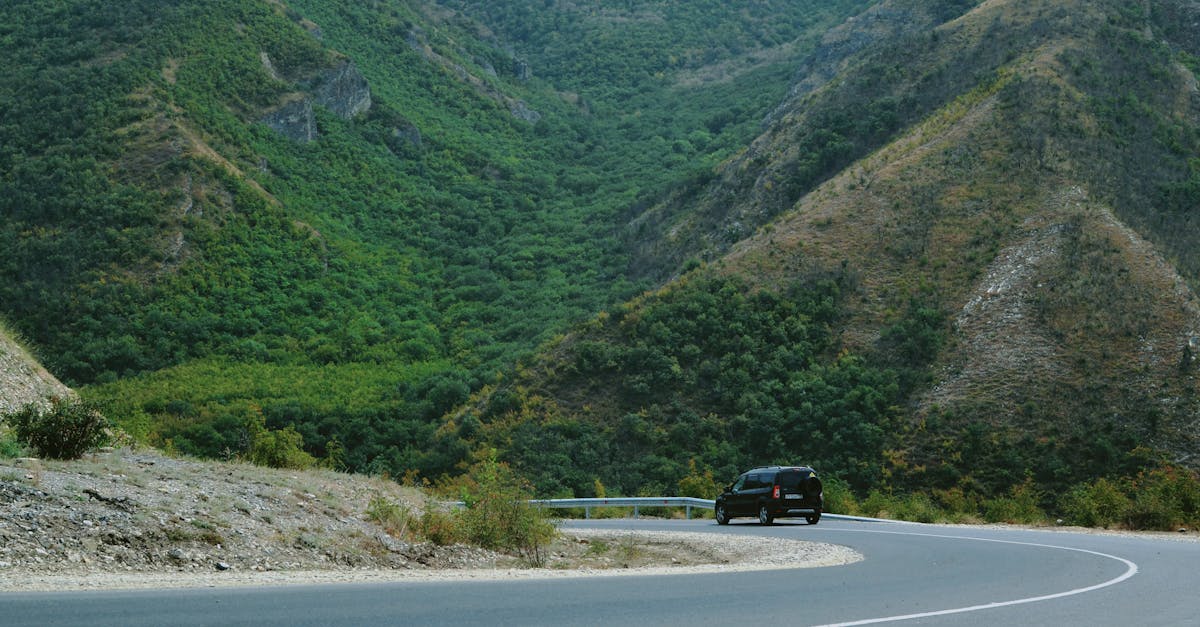 This photo was taken by Darya Grey_Owl on Pexels.
There is a unique magic in the Spanish countryside that you simply cannot find from a train window or a tour bus. From the rugged, snow-capped peaks of the Pyrenees to the sun-drenched olive groves of Andalusia, Spain's rural landscape invites you to discover its secrets at your own pace. Whether you are planning a winding journey through historic villages or seeking out the perfect tapas stop in a remote hamlet, hitting the road is the ultimate way to experience the soul of this vibrant country. In this guide, we will share everything you need to know to hit the open highways with confidence, from navigating narrow mountain passes and mastering local parking quirks to uncovering hidden culinary treasures that only locals know about. Get your maps ready, pack your sense of adventure, and let's explore the true beauty of Spain, one scenic route at a time.
Navigating Spain's Scenic Routes: From the Pyrenees to Andalusia
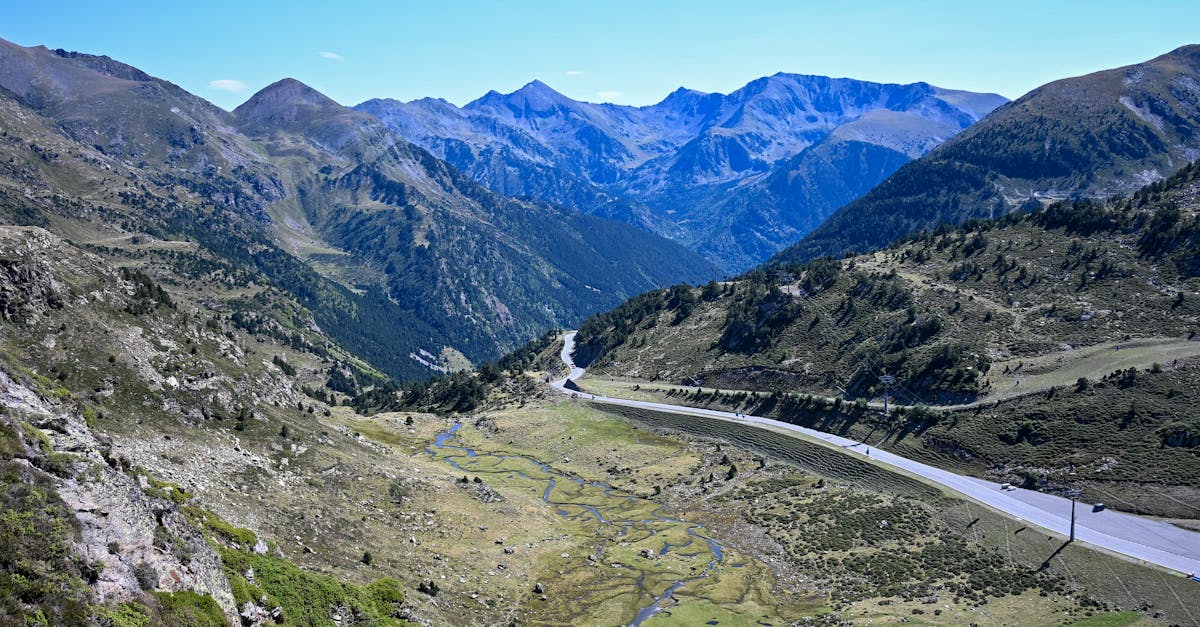 This photo was taken by Beppe Camilleri on Pexels.
Essential Car Rental Tips and Parking Hacks for Rural Spain
When embarking on a road trip through Spain's picturesque countryside, securing the right vehicle is your first critical step; opt for a compact car with good ground clearance to navigate narrow village streets and unpaved mountain tracks without hassle. Before you pick up your keys, ensure your rental agreement explicitly covers rural zones, as some companies restrict cross-border travel or charge extra fees for off-road driving. It is also wise to download offline maps from Google Maps or Waze before leaving major cities, since mobile signal can be spotty in remote regions like Andalusia's sierras or the Pyrenees, where GPS connectivity might vanish unexpectedly.
Parking in rural Spain requires a shift in mindset compared to bustling cities, as dedicated lots are often scarce outside of town centers. Instead of circling aimlessly, look for designated "aparcamiento" signs near church squares or public plazas, which usually offer free or low-cost parking during daylight hours. Be mindful that many historic villages enforce strict no-parking zones (indicated by yellow lines) to preserve their cobblestone charm, and always leave space for local residents who may need to maneuver large vehicles. If you plan to stay overnight in a remote farmhouse or winery, ask your host beforehand about private parking options, as this can save you from fines and the stress of finding a spot after a long day of driving.
 This photo was taken by Maurício Mascaro on Pexels.
Hidden Gems and Local Eats: A Culinary Road Trip Guide
While the major highways connect Spain's famous cities, the true magic of a culinary road trip lies in venturing off the beaten path into the winding country lanes of regions like Andalusia or Galicia. Here, you will discover "hidden gems" that are often missed by guidebooks: tiny, family-run bodegas perched on hilltops serving fresh gazpacho made from tomatoes picked minutes before, or rustic taverns in Asturias where locals gather for their daily ración of fabada. These secluded spots offer an authentic glimpse into rural life, where the menu changes with the seasons and the atmosphere is warm, unpretentious, and deeply rooted in tradition.
As you navigate these scenic routes, let your appetite lead the way to local eats that define the Spanish countryside. Stop at roadside markets in Castile to sample cured ibérico ham paired with artisanal cheeses, or pull over in a quiet village in Valencia to enjoy a paella cooked over an open wood fire. Whether it is a simple tortilla de patatas served with a glass of local Albariño wine or a hearty stew simmered in a clay pot, every bite tells a story of the land. Embrace the spontaneity of these stops, for some of the most memorable flavors of Spain are found not in Michelin-starred restaurants, but in the humble kitchens of villages waiting to be discovered.
 This photo was taken by Quang Nguyen Vinh on Pexels.