Practical Tips: Navigating Spain's Public Transport and Train System
 This photo was taken by Erik Mclean on Pexels.
Welcome to the heart of Iberia! Spain's public transport network is a vibrant tapestry that connects bustling metropolises with charming coastal towns and historic villages, offering one of the most efficient ways to explore our diverse landscapes. Whether you are dreaming of zipping between Madrid and Barcelona on the world-famous AVE high-speed train or navigating the intricate metro lines of Valencia, understanding how to move around is key to unlocking the true magic of your Spanish adventure. In this guide, we will demystify the Renfe network, reveal the secrets of urban mobility in major cities, and show you exactly how to use smart ticketing and passes to keep your travel budget happy while you discover everything Spain has to offer.
Mastering the Renfe Network: From High-Speed AVE to Regional Trains
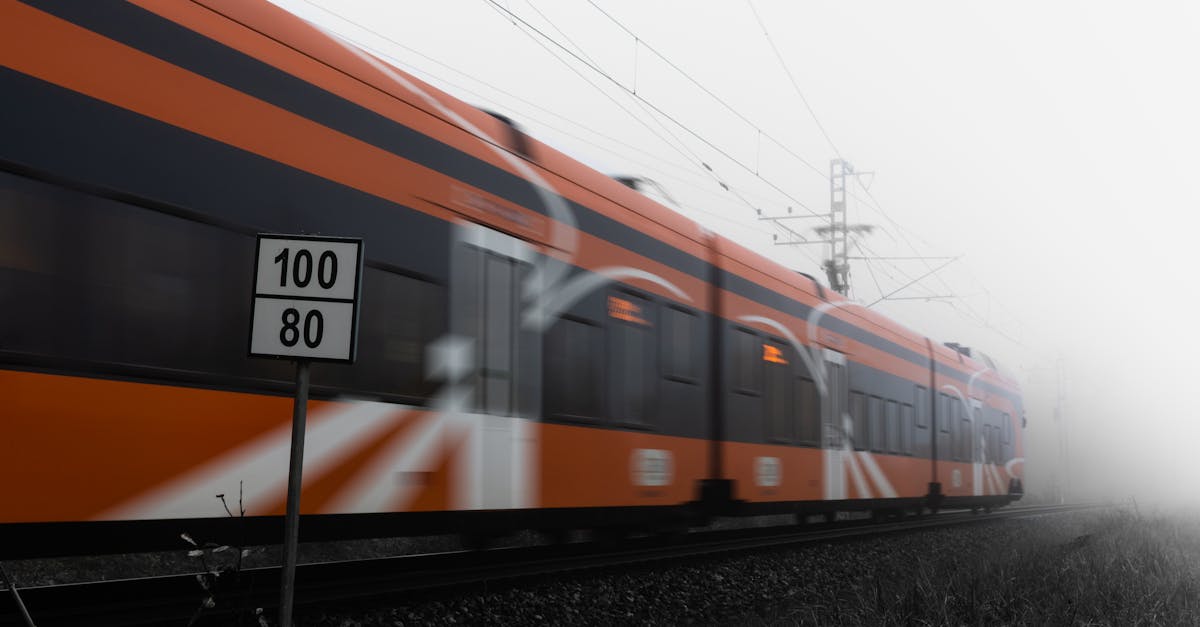
Unlocking the true potential of traveling across Spain begins with mastering the Renfe network, where the iconic high-speed AVE trains connect major cities like Madrid, Barcelona, and Seville in a fraction of the time it takes to drive. These sleek, modern services are not only incredibly efficient but also offer a comfortable journey complete with onboard dining and Wi-Fi, making them the preferred choice for covering long distances quickly. To get the best value, I always recommend booking your AVE tickets well in advance through the official Renfe website or app, as prices can fluctuate significantly based on demand; however, don't overlook the regional and media-distance trains that provide a more authentic glimpse into daily Spanish life, stopping at charming towns and rural landscapes often missed by faster lines.
While the high-speed rail is impressive, navigating the broader Renfe system requires a bit of local know-how to ensure a seamless experience from start to finish. Always double-check your ticket details carefully, as many stations have multiple platforms and departure times can shift slightly during holidays or strikes, so arriving at least 30 minutes early is wise. For travelers planning an extensive tour, consider purchasing a "Renfe Pass" or looking into specific discount cards if you fall into eligible categories like seniors or youth, which can drastically reduce costs. Remember that while major stations are well-signposted in English and Spanish, smaller regional stops might be less clear, so having a digital map downloaded on your phone is an essential backup to help you find your way to the correct platform without stress.
 This photo was taken by Alari Tammsalu on Pexels.
Urban Mobility Unlocked: Metro, Buses, and Ride-Sharing in Major Cities
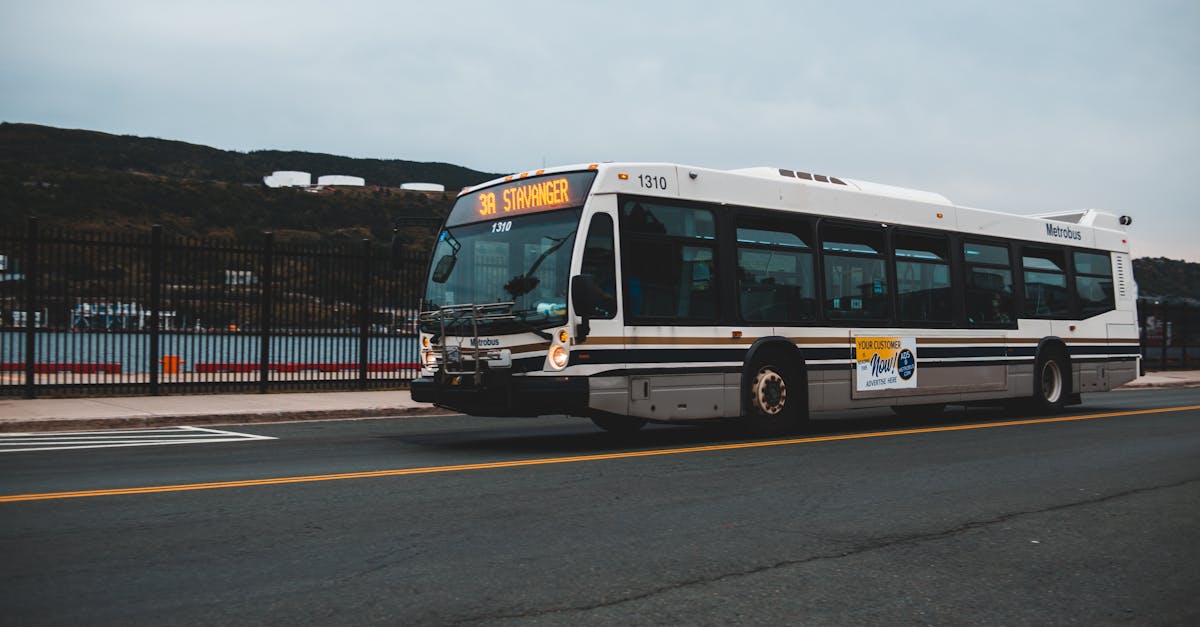
Spain's major urban centers boast some of the most efficient and extensive public transport networks in Europe, making it effortless to explore cities like Madrid, Barcelona, and Valencia without a car. The metro systems are the backbone of these networks, featuring clean, frequent trains that connect historic quarters with modern business districts in seconds; simply purchase a multi-ride card or contactless pass at any station kiosk to unlock unlimited travel across zones. Complementing the subways, an intricate web of buses fills the gaps, reaching neighborhoods where trains don't go and offering a scenic way to see the city from street level, especially during golden hour when the light hits the iconic architecture beautifully.
For those moments when you need door-to-door convenience or are traveling late at night, ride-sharing apps like Uber and Cabify operate seamlessly alongside traditional taxis in almost every Spanish city, often providing competitive pricing compared to other European capitals. While hailing a taxi is as easy as spotting one on the street or calling a local radio dispatch, using app-based services can offer the advantage of upfront pricing and cashless payment options, which is particularly helpful for international travelers. Whether you are hopping between tapas bars in Seville or rushing to catch a high-speed AVE train connection, combining these modes of transport ensures your journey through Spain remains smooth, affordable, and full of discovery.
This photo was taken by Erik Mclean on Pexels.
Smart Ticketing and Passes: How to Save Money on Your Journey
Mastering Spain's digital ticketing landscape is the first step toward an affordable and seamless journey across the country. Major cities like Madrid and Barcelona have embraced contactless payment systems, allowing you to tap your bank card or mobile wallet directly at metro turnstiles without needing a physical transport card. For those planning extensive travel within specific regions, regional passes such as the T-10 in Catalonia or the Viva Viagem cards in Valencia offer significant savings by bundling multiple trips into a single purchase, often reducing the per-journey cost by up to 30% compared to buying individual tickets. Always ensure you validate these reusable cards before boarding trains or trams, as fines for non-validation are strictly enforced by conductors.
When venturing beyond city limits to explore Spain's breathtaking landscapes via rail, booking high-speed AVE or Avant train tickets well in advance is crucial for securing the best rates. The Renfe website and app frequently offer "Promo" fares that can be incredibly cheap if you book weeks ahead, whereas last-minute purchases can be prohibitively expensive. Furthermore, travelers under 26 or over 60 should take advantage of special discount cards like the "Renfe Joven" or "Senior" passes, which provide substantial price reductions on long-distance routes. By combining these digital tools with strategic planning, you can transform what might seem like a costly logistical challenge into a budget-friendly adventure through Spain's diverse regions.
 This photo was taken by Mike Bird on Pexels.