Planning Your First Trip to Spain: Essential Tips and Tricks
 This photo was taken by Marina Leonova on Pexels.
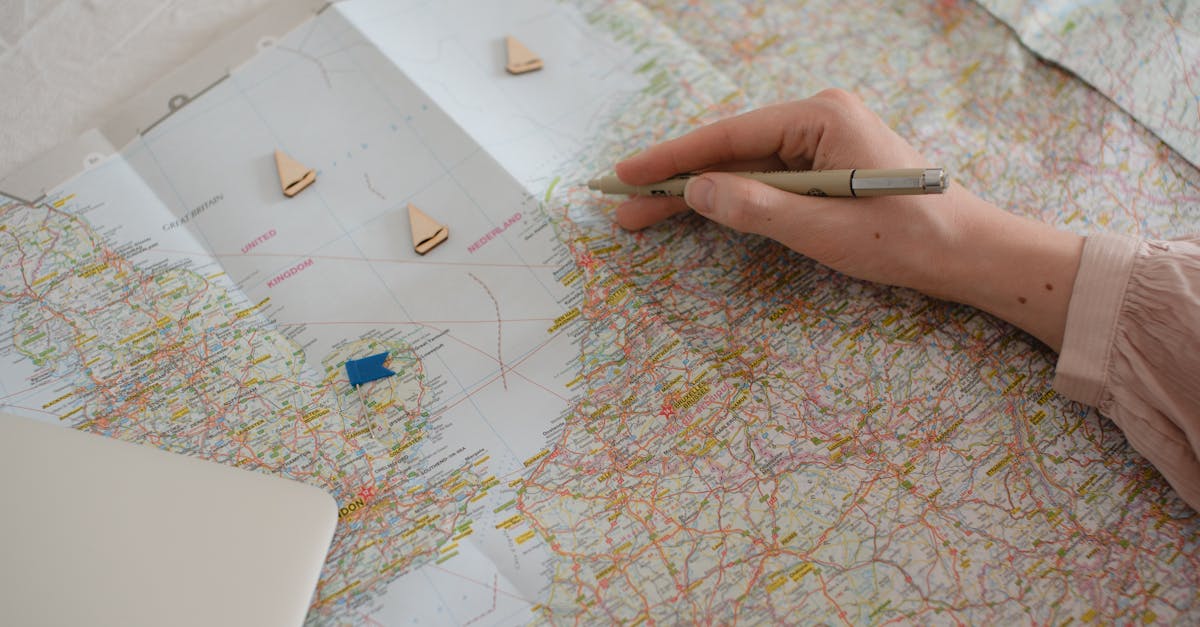
Welcome to the land of vibrant tapas, sun-drenched beaches, and historic streets waiting to be explored! As your local guide, I am thrilled to help you embark on your very first Spanish adventure. Whether you dream of wandering through the Alhambra in Granada or sipping sangria in a Seville plaza, Spain offers an unforgettable experience for every traveler. In this post, we will dive deep into navigating Spain's diverse regions and seasons, mastering local etiquette and dining customs so you blend in like a true madrileno, and discovering budget-friendly accommodation and transport hacks to make your journey as affordable as it is amazing. Get ready to pack your bags; your Spanish story begins here!
Navigating Spain's Diverse Regions and Seasons
 This photo was taken by Abdessalem BENYAHIA on Pexels.
Mastering Local Etiquette and Dining Customs
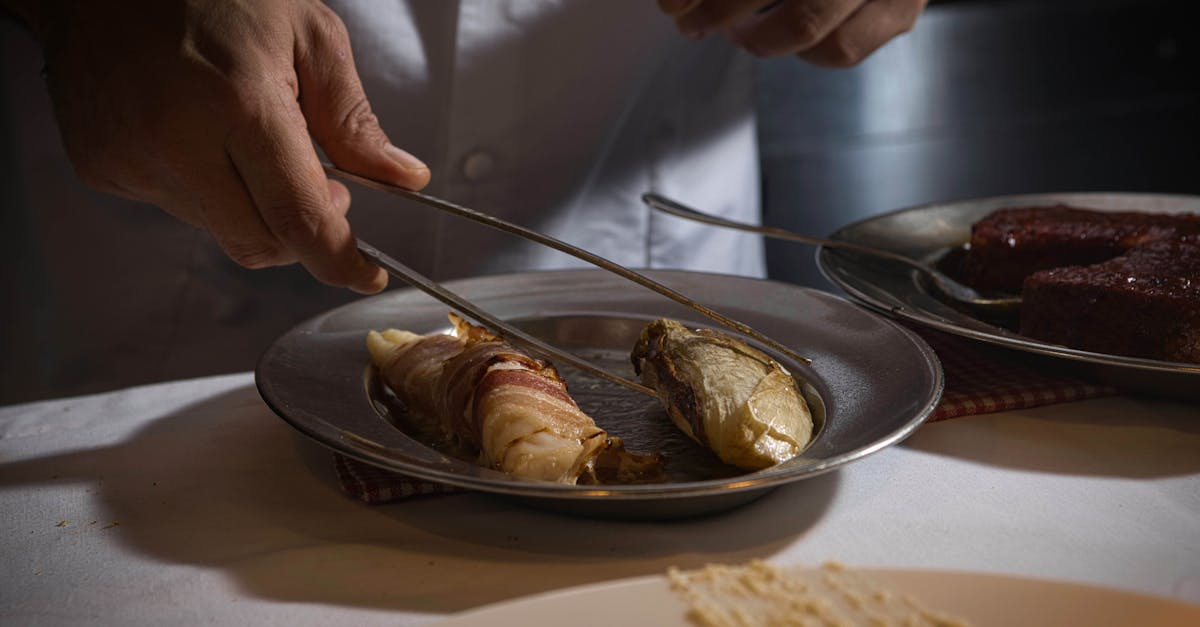
Understanding the rhythm of Spanish dining is crucial for a seamless experience, as meal times differ significantly from many other countries. Lunch, or la comida, is typically the main meal of the day and is often enjoyed between 2:00 PM and 4:00 PM, while dinner rarely begins until after 9:00 PM. When you do sit down at a restaurant, remember that rushing is frowned upon; meals are social events meant to be savored over hours with family or friends. It is also customary to wait for everyone at your table to be served before taking your first bite, and it is polite to keep your hands visible on the table, resting your wrists gently on the edge rather than in your lap.
Beyond the timing of meals, mastering local tipping etiquette and greetings will help you blend in effortlessly. While not as obligatory as in the United States, leaving small change or rounding up the bill is a kind gesture for good service, though leaving 10% is generally reserved for exceptional experiences. Social interactions are warm and personal, so always greet people with a friendly hola or buenos días/tardes before launching into conversation or asking for directions. A light handshake is common for initial meetings, but among friends and acquaintances, two kisses on the cheek (starting with the left) are the standard greeting, regardless of gender. By respecting these nuances, you show appreciation for the culture and ensure your hosts feel welcomed.
 This photo was taken by Alexandr Zhukovskyi on Pexels.
Budget-Friendly Accommodation and Transport Hacks
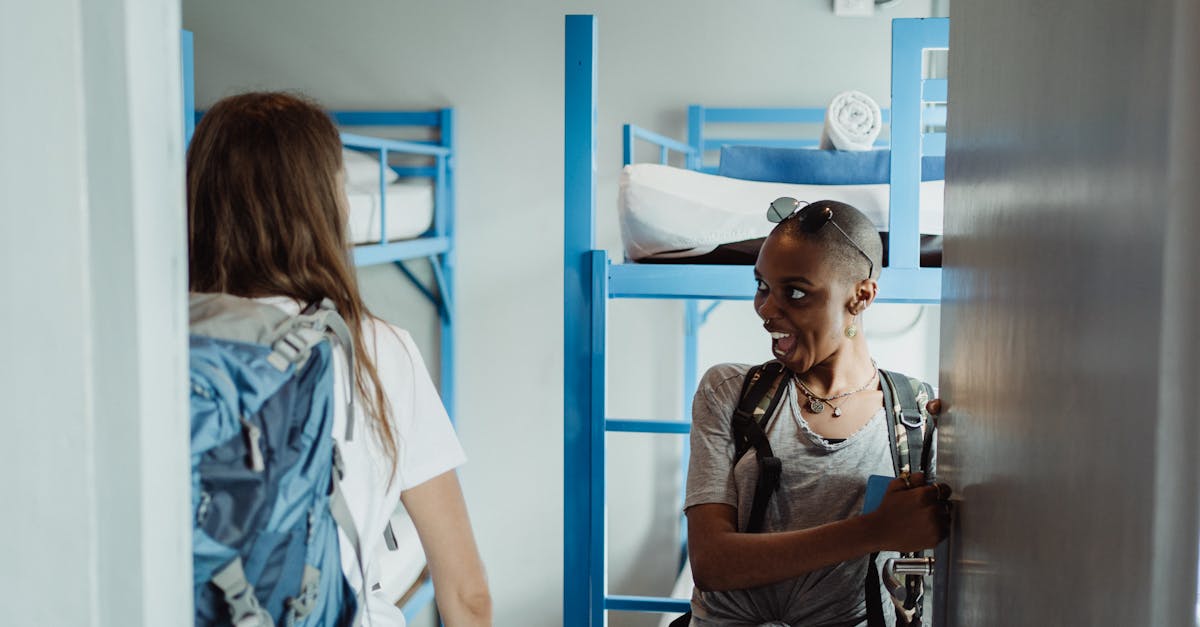
Navigating Spain's accommodation market doesn't have to drain your wallet, especially if you look beyond the typical city-center hotels. Consider booking "pensiones" or family-run guesthouses in historic quarters, which often offer authentic charm at a fraction of the cost of international chains, or explore rural tourism options like "casas rurales" in places like Andalusia and Galicia where prices drop significantly during the shoulder seasons. For urban stays, hostels are surprisingly comfortable and social, providing private rooms with en-suite bathrooms that rival budget hotels, while platforms like Airbnb can yield great deals for longer stays if you book a room in a shared apartment rather than an entire unit.
Transportation within Spain is incredibly efficient and affordable when you leverage its extensive rail and bus networks instead of relying on taxis or domestic flights. The Renfe train system offers "Promo" fares that can be as low as €5 if booked weeks in advance, making high-speed travel between Madrid, Barcelona, and Valencia accessible to everyone, while the intercity bus companies like Alsa provide even cheaper alternatives connecting smaller towns with minimal fuss. Additionally, many cities offer cheap multi-day metro passes or bike-sharing schemes, and walking remains the most economical way to soak in the atmosphere of neighborhoods like Seville's Santa Cruz or San Sebastián's Parte Vieja, allowing you to save money for tapas and local wines.
 This photo was taken by Ketut Subiyanto on Pexels.