Planning Your First Trip to Barcelona and Madrid
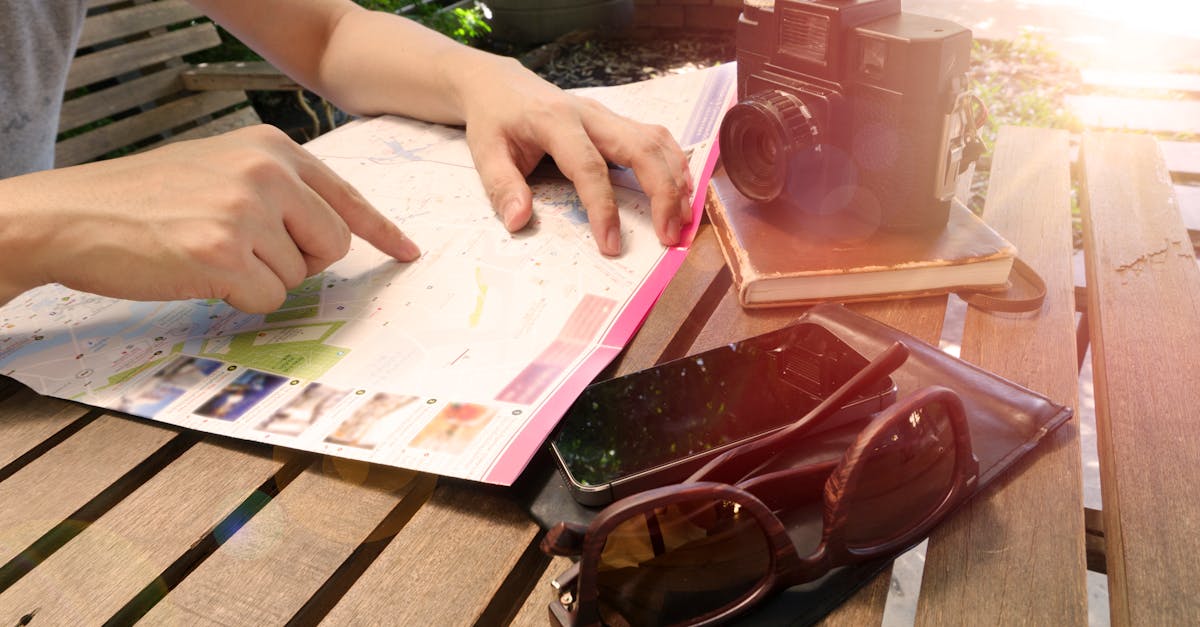 This photo was taken by Porapak Apichodilok on Pexels.
Must-See Landmarks in Barcelona and Madrid
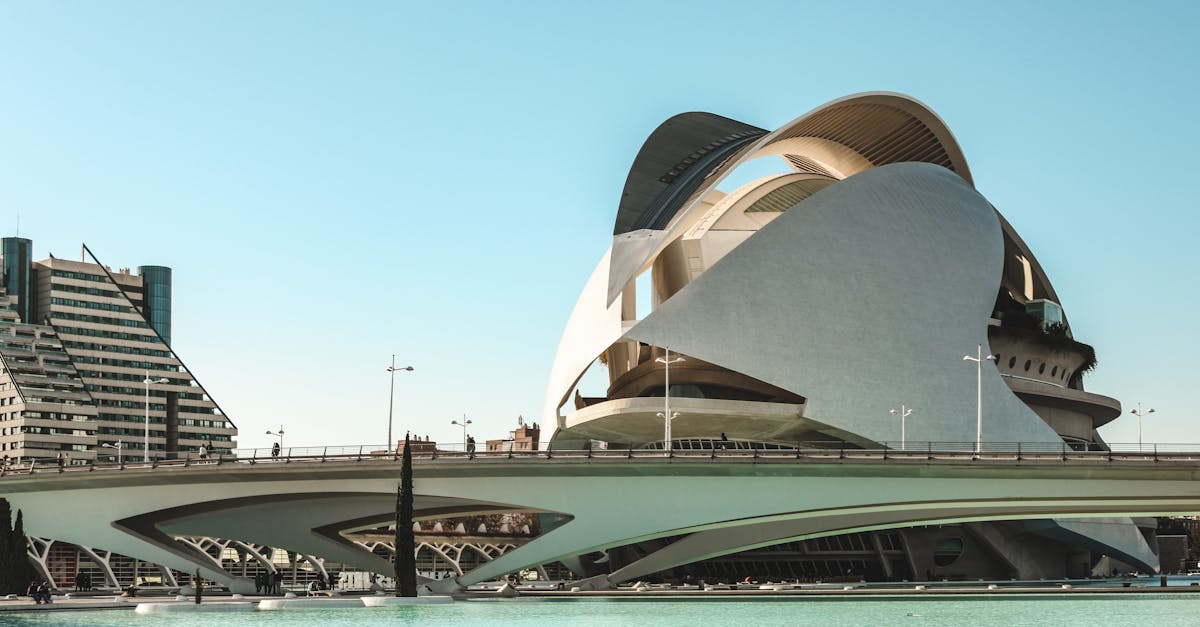
Begin your Spanish adventure in Barcelona by immersing yourself in the unique architectural wonders that define this coastal city. No visit is complete without marveling at Antoni Gaudí's unfinished masterpiece, the Sagrada Família, whose intricate facades and luminous interior create an ethereal atmosphere. Just a short walk away, you can stroll through the whimsical Park Güell or wander beneath the vibrant mosaics of Casa Batlló on Passeig de Gràcia. After soaking up the modernist charm, make time to explore the historic Gothic Quarter, where narrow medieval streets reveal hidden plazas and ancient Roman walls, offering a perfect blend of artistic innovation and timeless history.
Journey north to Madrid to discover the grandeur of Spain's capital, where royal elegance meets vibrant street life. Start your exploration at the majestic Royal Palace, the largest functioning royal palace in Western Europe, before crossing the street to admire the stunning Almudena Cathedral. Art lovers must dedicate a day to the Golden Triangle of Art, featuring world-renowned masterpieces at the Prado Museum and the Reina Sofía, home to Picasso's iconic Guernica. As evening falls, immerse yourself in the local culture by wandering through the bustling Plaza Mayor and indulging in traditional tapas at the lively Mercado de San Miguel, experiencing the true heart of Madrileño hospitality.
 This photo was taken by Daniel Ledesma on Pexels.
Navigating the Cities: Transport Tips for First-Timers
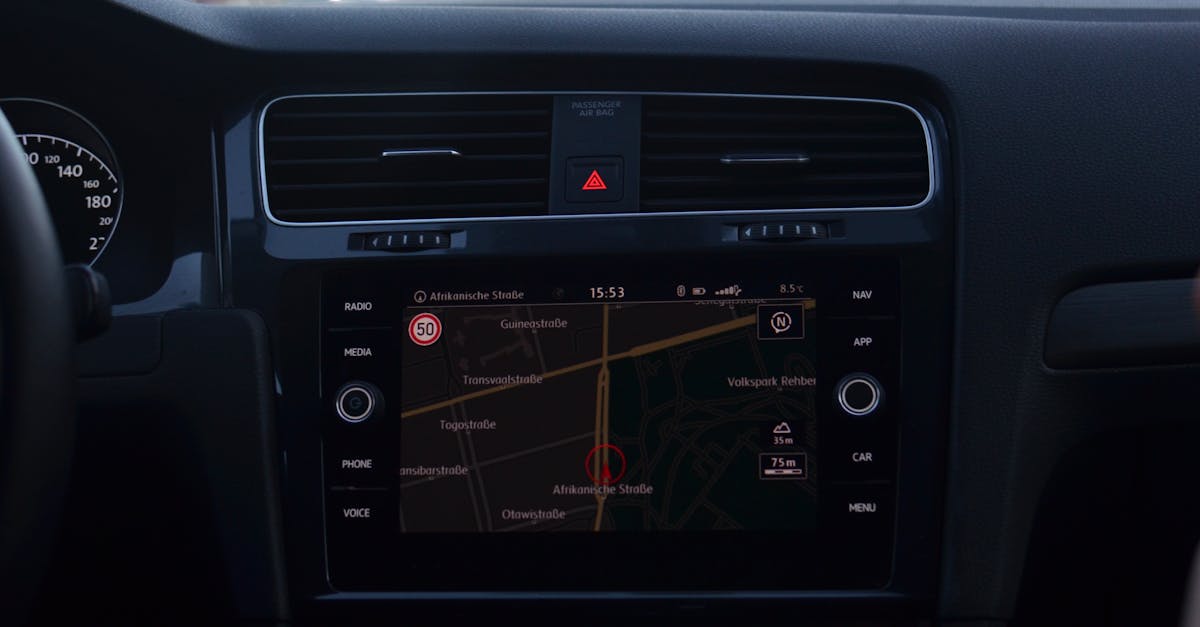
Once you step off the plane, navigating Barcelona and Madrid becomes a breeze thanks to their world-class public transport networks. In Barcelona, the T-mobilitat card is your golden ticket; simply tap it on the turnstiles for unlimited travel across the metro, buses, trams, and even the FGC trains that whisk you up to Montjuïc or Sitges. Be sure to validate your ticket before boarding if using paper passes, as fines are common for unvalidated rides. Similarly, Madrid's Metro system is legendary for its efficiency and 24-hour service on weekends, making it easy to explore neighborhoods like Malasaña or La Latina late into the night. For both cities, download the official apps (TMB for Barcelona and Metro de Madrid) to check real-time schedules and plan your route without getting lost in the labyrinthine streets.
While the metros are fantastic for city centers, remember that some attractions require a bit of walking or a short bus ride, so always wear comfortable shoes. In Madrid, the Cercanías commuter rail is an excellent choice for day trips to Toledo or Aranjuez, while Barcelona's extensive bus network fills in the gaps where the metro doesn't reach. If you find yourself heading to the beach in Barceloneta or exploring the Royal Palace in Madrid, consider hopping on a hop-on-hop-off bus for a relaxing overview, though locals prefer the authentic experience of the regular transit. Finally, be mindful of pickpockets in crowded stations like Sol in Madrid or Catalunya in Barcelona; keep your bags zipped and close to your body, especially during rush hours when the carriages are packed tight with commuters.
 This photo was taken by Skylar Kang on Pexels.
Culinary Delights: Where to Eat Like a Local
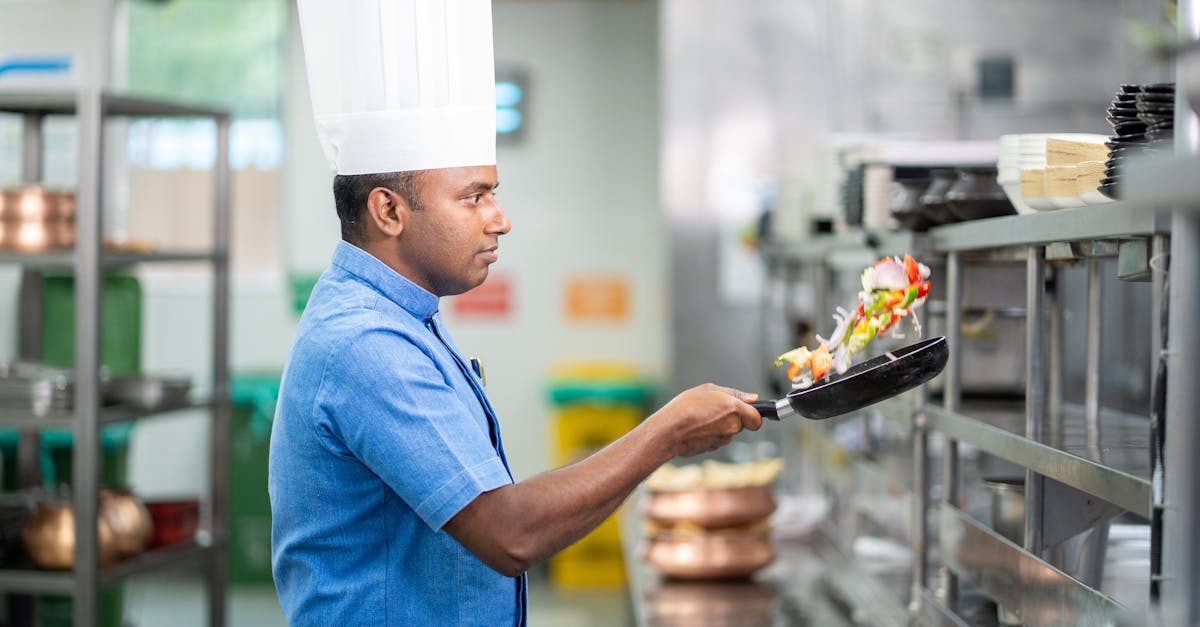
Immerse yourself in the vibrant tapestry of Spanish flavors by skipping the tourist traps and venturing into the bustling local markets like La Boqueria in Barcelona or Mercado de San Miguel in Madrid. Here, you can savor fresh pintxos on a wooden counter or enjoy a perfectly fried croquette while chatting with vendors who have been serving their neighborhoods for generations. For an authentic lunch experience, seek out "menu del día" offerings found in unassuming neighborhood taverns; these fixed-price meals often include a starter, main course, drink, and dessert, allowing you to taste traditional dishes like paella, tortilla española, and jamón ibérico at prices that reflect the true spirit of the city rather than the inflated costs of high-end dining.
As evening falls, the culinary adventure continues with the Spanish tradition of tapas hopping, where the goal is to visit several small bars to sample a variety of bite-sized delicacies accompanied by a glass of local wine or a crisp cava. In Madrid, head to the historic La Latina district after 8 PM when the streets fill with locals enjoying the lively atmosphere, while in Barcelona, explore the Gothic Quarter's hidden alleyways to find intimate spots serving creative interpretations of classic recipes. Remember that dinner is typically served late, so embrace the rhythm of the night and let the social aspect of sharing food bring you closer to the warm, communal heart of Spanish culture.
 This photo was taken by Anil Sharma on Pexels.