Off the Beaten Path: Exploring Rural Castile and León
 This photo was taken by Mahmoud Yahyaoui on Pexels.
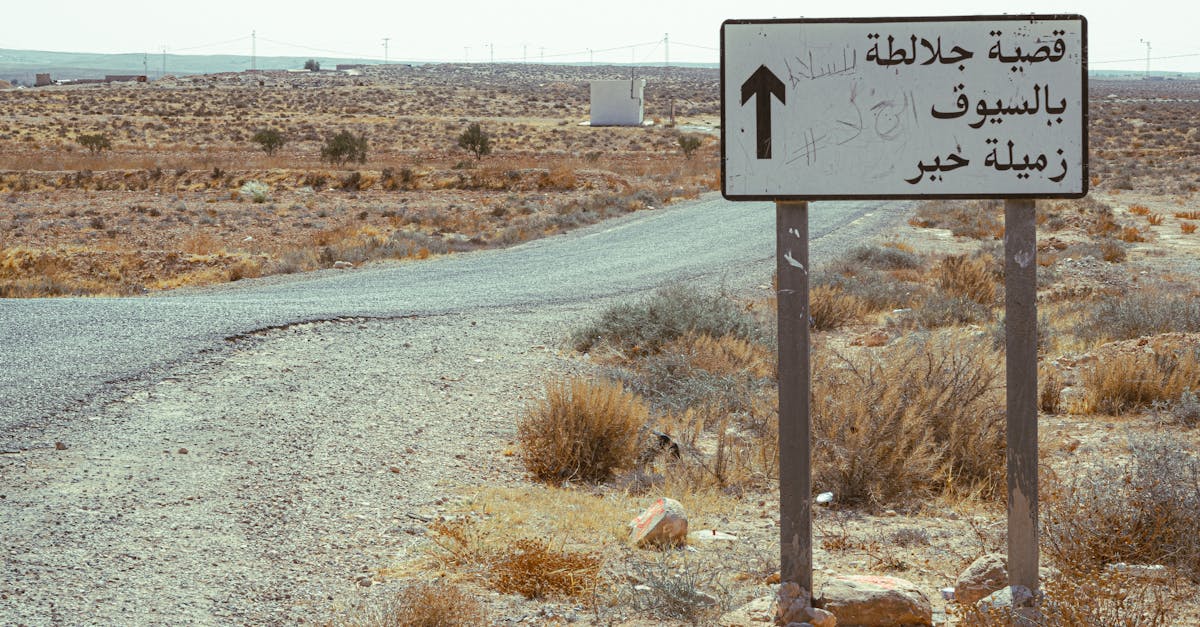
Welcome to the heart of Spain, where time seems to stand still amidst vast plateaus and rugged mountain ranges. While many travelers flock to the bustling streets of Madrid or the sun-drenched beaches of the coast, there exists a hidden gem waiting to be discovered: the vast and enchanting region of Castile and León. Here, in the "Old Kingdom," you will find a landscape painted with earthy tones, dotted with ancient stone villages that whisper tales of centuries past. In this journey off the beaten path, we invite you to leave the crowds behind and immerse yourself in an authentic experience. We will guide you through the mist-shrouded peaks of the Sierra de Gredos, savor the rich flavors of medieval wines and artisanal cheeses, and trace the footsteps of history along the enduring Roman roads that cross the Meseta. Get ready to explore a Spain that is raw, timeless, and utterly unforgettable.
Discovering the Stone Villages of the Sierra de Gredos
Nestled within the rugged embrace of the Sierra de Gredos, a range that straddles the border between Castile and León and Extremadura, lies a collection of stone villages that seem to have grown organically from the granite bedrock itself. Unlike the bustling cities often associated with Spanish tourism, these hamlets offer a serene retreat where time appears to slow down, inviting travelers to wander through narrow cobblestone streets lined with traditional houses featuring heavy wooden doors and weathered slate roofs. The architecture is a testament to centuries of resilience against the harsh mountain climate, creating a harmonious blend of human habitation and the stark, majestic beauty of the surrounding peaks, which are often dusted with snow in winter or bathed in golden light during the summer months.Exploring these hidden gems provides an authentic glimpse into rural life, far removed from the tourist crowds found in more famous destinations. Visitors can immerse themselves in local traditions, sample hearty mountain cuisine like roasted suckling pig or wild boar stew, and engage with friendly residents who take pride in preserving their unique heritage. Whether you are hiking the trails that lead to ancient hermitages, fishing in the crystal-clear rivers, or simply sitting on a village square watching the clouds drift over the highest peak in central Spain, El Ávila, the Sierra de Gredos offers a profound sense of connection to nature and history that defines the true spirit of off-the-beaten-path travel in this region.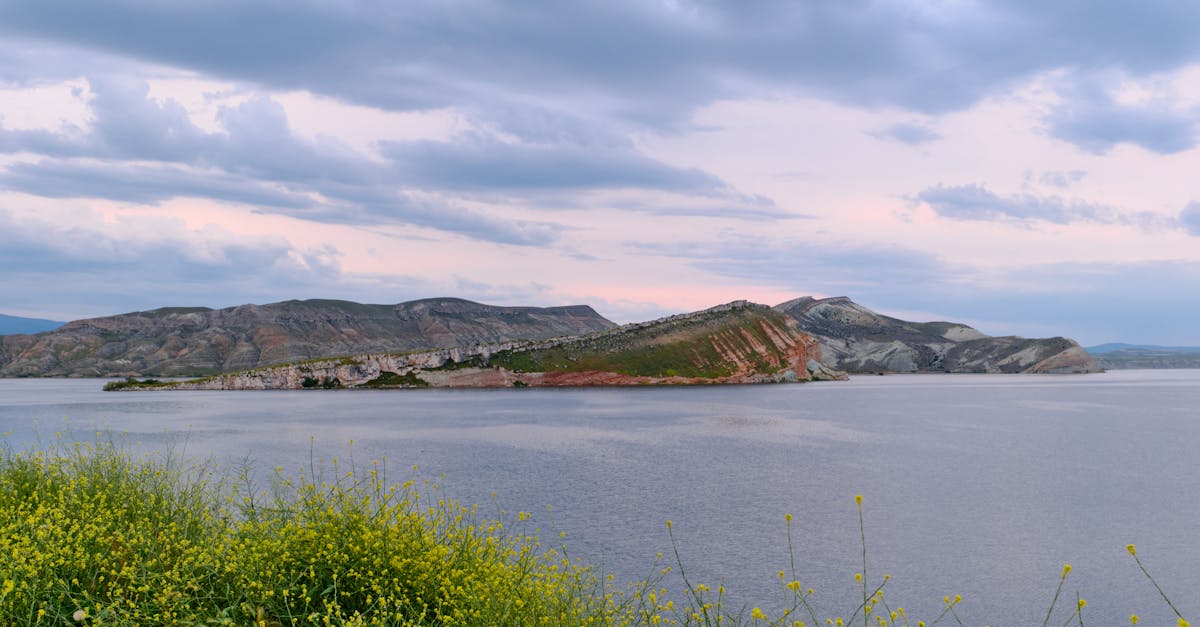 This photo was taken by Kaan Keskin on Pexels.
A Culinary Journey Through Medieval Wines and Cheeses
Immerse yourself in the timeless traditions of rural Castile and León, where the vineyards have been nurturing ancient varietals like Prieto Picudo and Mencía for centuries. Unlike the bustling wineries of Rioja, these hidden valleys offer an intimate experience where you can taste wines that reflect the rugged terroir of the Meseta Central, often paired with local stories passed down through generations. As you wander through stone-walled bodegas nestled in the hills of Toro or Rueda, the air is thick with the aroma of aging oak and earthy grapes, inviting you to savor a glass of robust red or crisp white that tells the true story of this historic region.
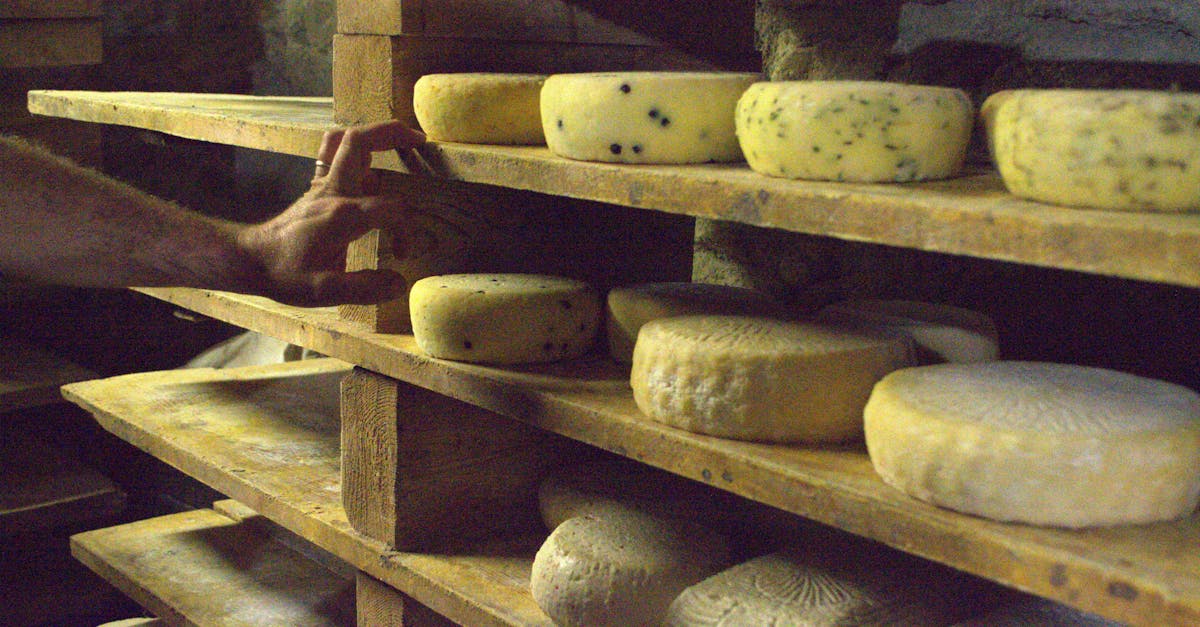
No culinary exploration here would be complete without encountering the region's legendary cheeses, particularly the creamy, tangy Burgos and the sharp, crumbly Zamora varieties made from sheep's milk. These artisanal treasures are often produced in small family-run cooperatives where traditional methods remain unchanged since medieval times, offering flavors that range from mild and buttery to intensely piquant. Imagine sitting by a crackling fireplace in a restored farmhouse, slicing into a wheel of aged cheese and pairing it with a slice of crusty bread and a pour of local wine, creating a sensory symphony that perfectly encapsulates the rustic soul of Spain's interior.
 This photo was taken by Fondazione Contrada Torino Onlus on Pexels.
Walking the Ancient Roman Roads of the Meseta
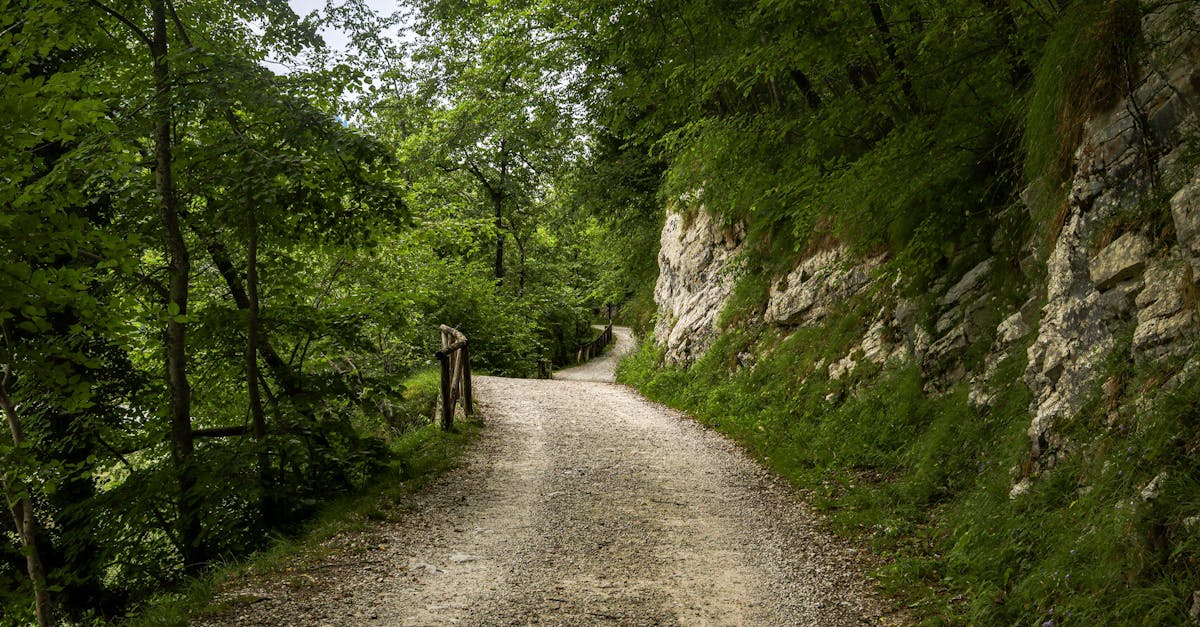
Stepping onto the sun-baked stones of the Meseta Central is like walking through a living history book, where the rhythm of your footsteps echoes those of Roman legions from two millennia ago. In rural Castile and León, the famous Vía de la Plata (Silver Way) remains one of Europe's best-preserved ancient routes, winding silently through endless golden wheat fields and stark, wind-swept plains that define this high plateau. Unlike the crowded trails of major tourist hubs, here you will share the path only with grazing cattle, solitary cypress trees, and perhaps a local farmer tending his vineyards, offering a profound sense of solitude and connection to the land that has sustained civilizations since antiquity.
As you traverse these historic arteries, the landscape reveals hidden treasures at every turn, from crumbling Roman milestones marking distances to cities like Astorga or León, to small stone bridges that have stood against the elements for centuries. The journey invites you to slow down and immerse yourself in the authentic atmosphere of villages where time seems to have paused, allowing you to discover traditional taverns serving hearty stews and local wines right beside the road. This is not merely a hike; it is an immersive pilgrimage into the heart of Spain's past, where the silence of the Meseta amplifies the stories of emperors, merchants, and pilgrims who once walked these same stones on their way to Santiago de Compostela.
 This photo was taken by Lorenza Magnaghi on Pexels.