Off the Beaten Path: Discovering the Silence of Extremadura
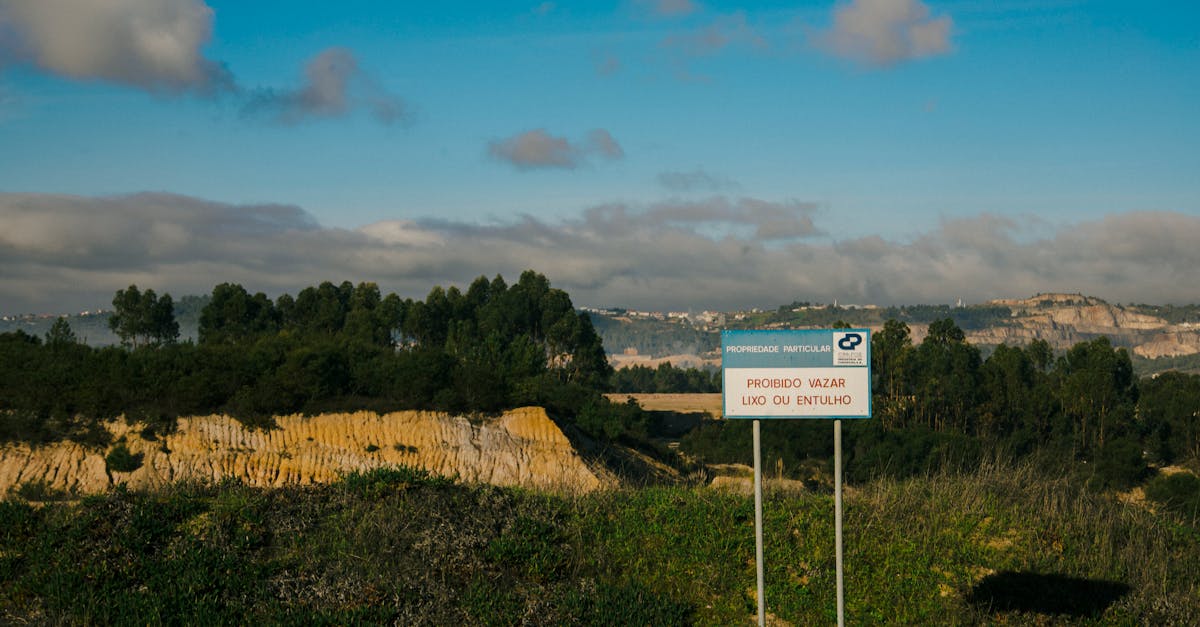 This photo was taken by joao Guerreiro on Pexels.
While the bustling beaches of the Costa del Sol and the vibrant streets of Barcelona often steal the spotlight, Spain's true soul sometimes whispers from its quietest corners. Welcome to Extremadura, a region where time seems to slow down, inviting you to trade crowds for contemplation and noise for nature. In this journey through Spain's "Quiet Heart," we will explore the majestic Roman heritage that still stands proud in Cáceres and Mérida, wander across the sun-dappled dehesas and among whitewashed villages untouched by mass tourism, and savor a gastronomic adventure rooted in ancient traditions. Leave your rush behind and prepare to discover the profound silence and hidden beauty waiting for you here.
The Ancient Stones of Cáceres and Mérida
Wander through the medieval streets of Cáceres, where the silence is broken only by the echo of your footsteps against ancient Roman walls and Gothic towers that have stood guard for centuries. This UNESCO World Heritage site feels like a living museum, with its cobbled alleys winding between fortified palaces that whisper tales of the Reconquista. Unlike the bustling tourist hubs of southern Spain, Cáceres offers a profound sense of stillness, inviting you to pause in its plazas and imagine the lives of those who walked these same stones during the height of the Spanish Empire.
Journey just a short distance further to Mérida, home to one of Europe's most complete and impressive Roman archaeological ensembles, yet often overshadowed by its more famous neighbors. Here, the Temple of Diana stands stoically beside a magnificent theater where gladiators once fought, now bathed in the golden light of an Extremaduran afternoon. The sheer scale of these ruins, preserved in such remarkable condition, creates a surreal atmosphere of timelessness, allowing visitors to step back into antiquity without the crowds, finding a deep, resonant connection to the past in the quiet grandeur of this forgotten corner of Spain.
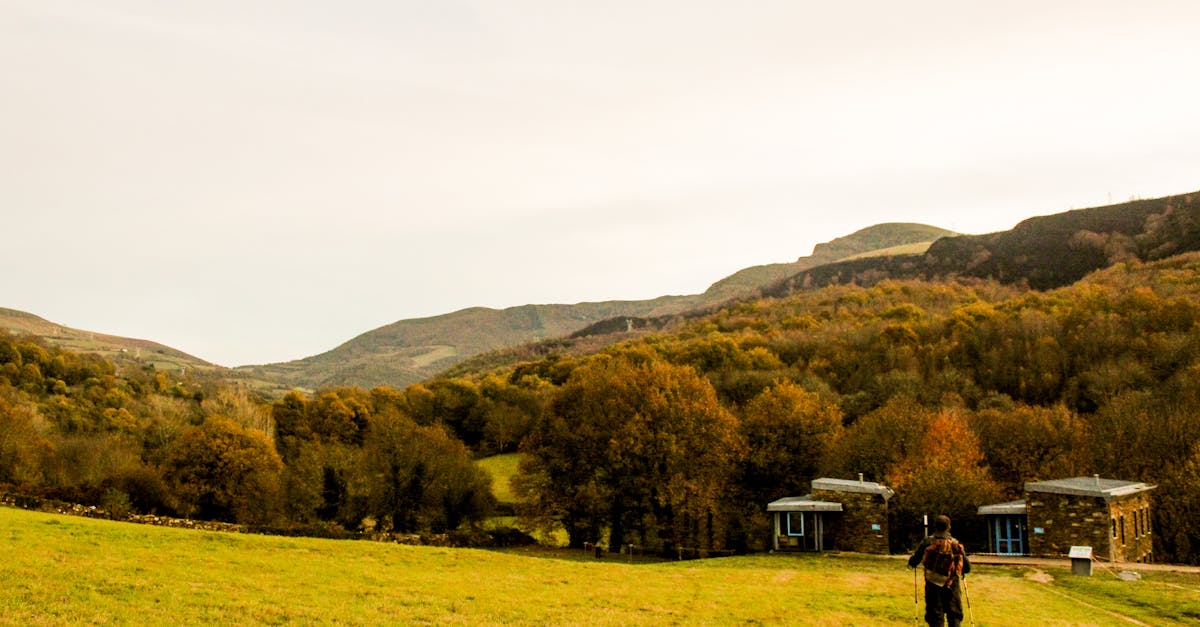
 This photo was taken by Bence Szemerey on Pexels.
Wandering Through the Dehesas and White Villages
Deep in the heart of Extremadura, where the ancient oak trees stand like silent sentinels over rolling hills, lies the dehesa, a unique agro-silvo-pastoral ecosystem that defines the region's soul. Here, you can wander through landscapes dotted with cork and holm oaks, their broad canopies providing shade for free-roaming Iberian pigs and grazing cattle, creating a serene tableau of rural harmony. This is not merely farmland but a living tapestry of biodiversity, where the rustle of leaves mixes with the distant bleating of sheep, offering travelers a profound sense of peace away from the bustling crowds of Spain's coastal resorts.
From these open woodlands, your journey leads you to the stunning white villages (pueblos blancos) perched precariously on rugged cliffs or nestled in deep valleys, their stark white facades glowing brilliantly against the azure sky. These historic settlements, often dating back to the Moorish era, invite you to lose yourself in narrow, winding cobblestone streets that seem frozen in time, lined with traditional stone houses and hidden courtyards filled with blooming geraniums. Whether you are exploring the fortified walls of Trujillo or the quiet charm of Jerte Valley, the silence here feels tangible, allowing you to reconnect with nature and history in a way that only the untouched corners of Extremadura can provide.
 This photo was taken by Lan Yao on Pexels.
A Gastronomic Journey in Spain's Quiet Heart
Nestled in the tranquil embrace of Extremadura, a culinary adventure unfolds far from the bustling crowds of Barcelona or Madrid, where the flavors are as ancient and robust as the land itself. Here, the legendary Iberian pig roams freely through vast oak forests, producing the world-renowned Jamón Ibérico de Bellota that melts on the tongue with an earthy richness unmatched anywhere else. This region is also the birthplace of the famous Manchego cheese, though in Extremadura, it takes on a unique character when paired with local honey and walnuts, creating a symphony of tastes that tells the story of centuries-old farming traditions. Every meal becomes a celebration of simplicity, featuring hearty stews like pota extremeña slow-cooked over wood fires and fresh vegetables harvested just moments before they reach your plate.
As you wander through the quiet villages of this hidden gem, you will discover that dining here is not merely about sustenance but a deeply social ritual steeped in history. The taverns and small family-run eateries offer a warm welcome, serving up dishes like migas, a comforting dish made from fried breadcrumbs and pork that reflects the resourcefulness of past shepherds. To accompany these savory delights, savor a glass of Ribera del Guadiana wine, known for its deep red hues and complex notes of dark fruit, which perfectly complements the rustic atmosphere. In this silent heart of Spain, every bite invites you to slow down, savor the moment, and connect with a culture that values patience, tradition, and the pure, unadulterated taste of nature.
 This photo was taken by Kampus Production on Pexels.