Off the Beaten Path: 5 Underrated Towns You Need to See
 This photo was taken by Mike Bird on Pexels.
While Barcelona dazzles with its Gaudí masterpieces and Seville enchants with flamenco rhythms, Spain's true soul often hides in the quiet corners where time seems to stand still. Beyond the bustling tourist trails lie villages that offer an authentic glimpse into Iberian life, untouched by the crowds. In this post, we invite you to step off the beaten path and explore five underrated towns that promise unforgettable experiences. From the vertigo-inducing architecture of Cuenca's Hanging Houses to the dramatic mountain passes of Ronda, and finally to the serene, culinary wonders of Almería's silent villages, prepare to discover the hidden gems that make our country so magical.
Discovering the Hidden Gems of Cuenca's Hanging Houses
Perched dramatically on the edge of a sheer cliff overlooking the winding Huécar River, Cuenca's Hanging Houses (Casas Colgadas) offer a visual spectacle that feels plucked straight from a medieval fairytale. While many travelers rush through to catch the iconic view from the bridge, the true magic lies in wandering the narrow, cobbled streets behind these cantilevered structures where time seems to have stood still. As you step inside one of these centuries-old dwellings, now transformed into museums or cozy cafes, you can trace the original stone arches and imagine the daily lives of residents who once balanced their homes against the abyss, creating an architectural marvel that defies gravity and history alike.Beyond the postcard-perfect façade, exploring the hidden corners of this UNESCO World Heritage site reveals a quieter, more intimate side of Castilian life often missed by the hurried tour groups. Venture down the steep staircases leading to the lower riverbanks, where local artisans sell handcrafted leather goods and traditional sweets, or simply sit on a bench beneath the shadow of the cathedral to watch the light shift across the canyon walls at sunset. This authentic atmosphere transforms a simple sightseeing stop into a profound cultural immersion, allowing you to connect with the soul of Spain away from the crowded hotspots and discover why this town remains a cherished secret for those who know where to look.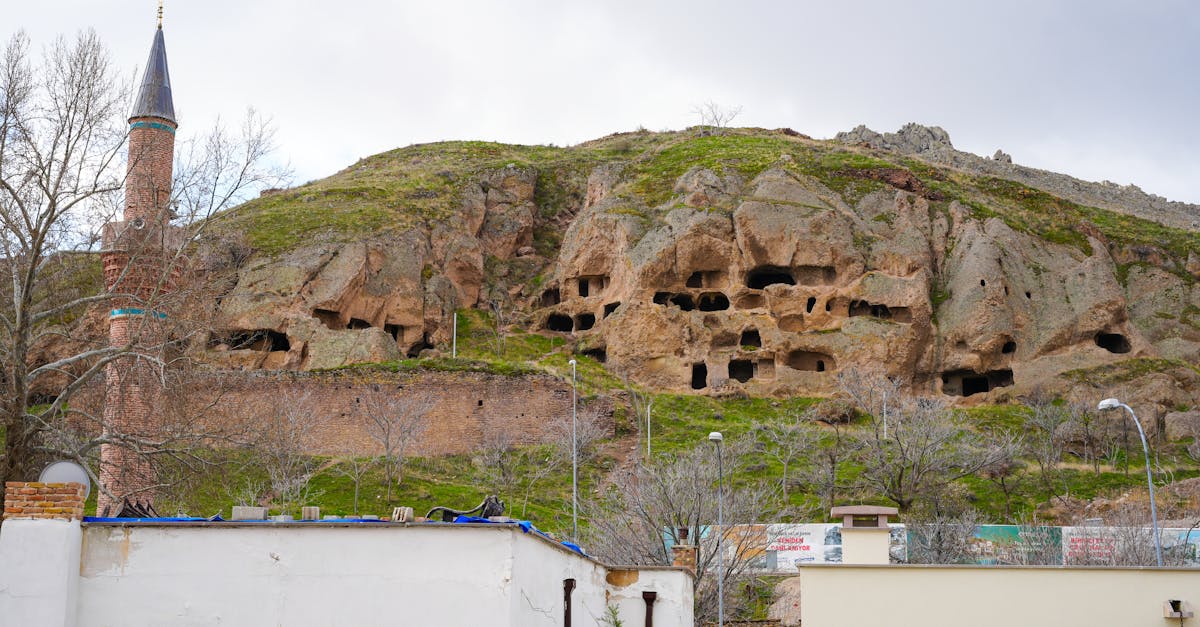 This photo was taken by Şinasi Müldür on Pexels.
The Artistic Secrets of Ronda's Mountain Passes
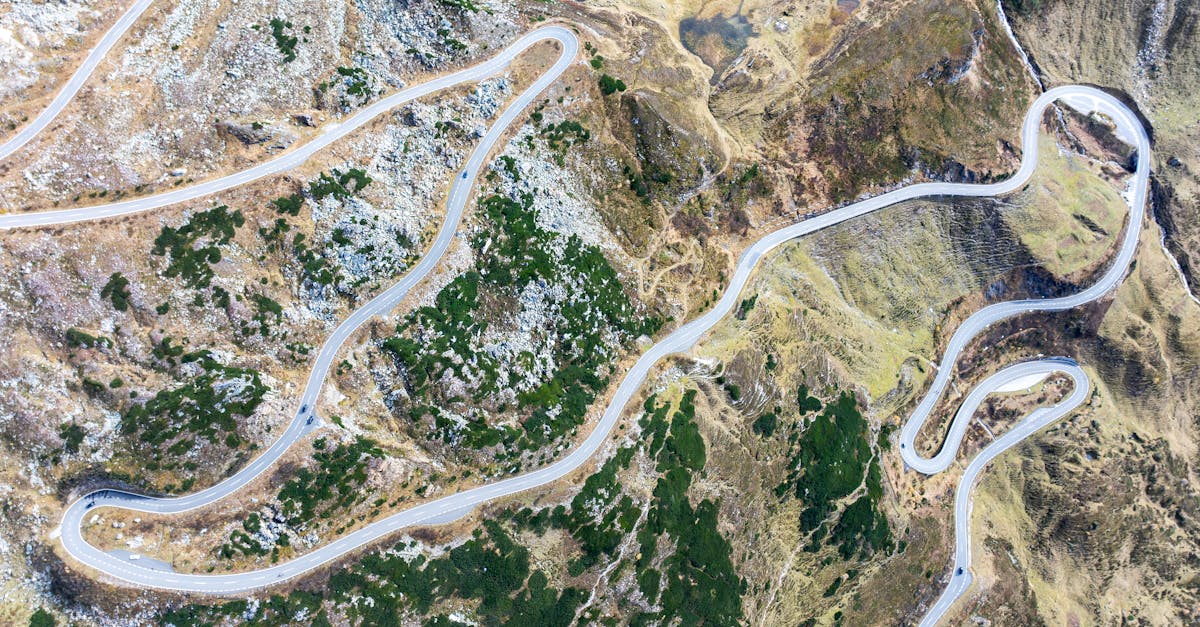
While the famous Puente Nuevo bridge often steals the spotlight, the true artistic soul of Ronda lies in its dramatic mountain passes that weave through the Sierra de Grazalema. These rugged routes are not merely transportation corridors but living canvases where nature and human ingenuity collide, offering a unique perspective on Andalusian landscape artistry. As you traverse these winding paths, notice how the ancient mule tracks have been carved into the limestone cliffs over centuries, creating a rhythmic dialogue between the earth's raw geology and the subtle engineering of local builders who adapted to the terrain rather than conquering it.
Hidden within these elevated passages are small, forgotten chapels and miradores that serve as impromptu galleries for the region's light and shadow play, a favorite subject for generations of painters seeking the authentic Spanish atmosphere. The interplay of sunlight filtering through the cork oak forests onto the stone walls creates a dynamic visual experience that changes with every hour, revealing textures and colors invisible from the valley floor below. For the discerning traveler, exploring these less-traveled trails offers a profound connection to the creative spirit of the area, allowing you to discover the quiet, unscripted beauty that inspired the masters long before they reached the crowded tourist hubs.
 This photo was taken by Alan Kabeš on Pexels.
A Culinary Journey Through the Silent Villages of Almería
Nestled within the rugged, sun-drenched landscapes of Almería lie villages that have remained largely untouched by the tourist rush, offering a culinary experience deeply rooted in tradition and silence. Here, the menu is dictated by the arid soil and the azure Mediterranean, featuring dishes like "gazpacho de la tierra," a robust vegetable soup made from locally grown tomatoes and peppers, and "pescaíto frito" caught fresh that very morning. In these quiet hamlets, you will find family-run taverns where the aroma of slow-cooked lamb stews with wild herbs drifts through narrow cobblestone streets, inviting travelers to savor flavors that have been perfected over centuries without the interference of modern commercialization.
What truly sets this gastronomic journey apart is the intimate connection between the diner and the producer; many meals begin with a walk through terraced fields where farmers still cultivate heirloom varieties of olives and figs using ancient irrigation methods. As the evening falls, the conversation shifts effortlessly to the history of the land while sharing plates of "salmorejo cordobés" adapted with local touches or grilled sardines seasoned simply with sea salt and lemon. Dining in these silent villages is not merely about eating but about immersing oneself in a slower pace of life, where every bite tells the story of resilience and the enduring spirit of Andalusian hospitality.
 This photo was taken by Adina Yusuf on Pexels.