Northern Spain: Where Green Hills Meet the Cantabrian Sea
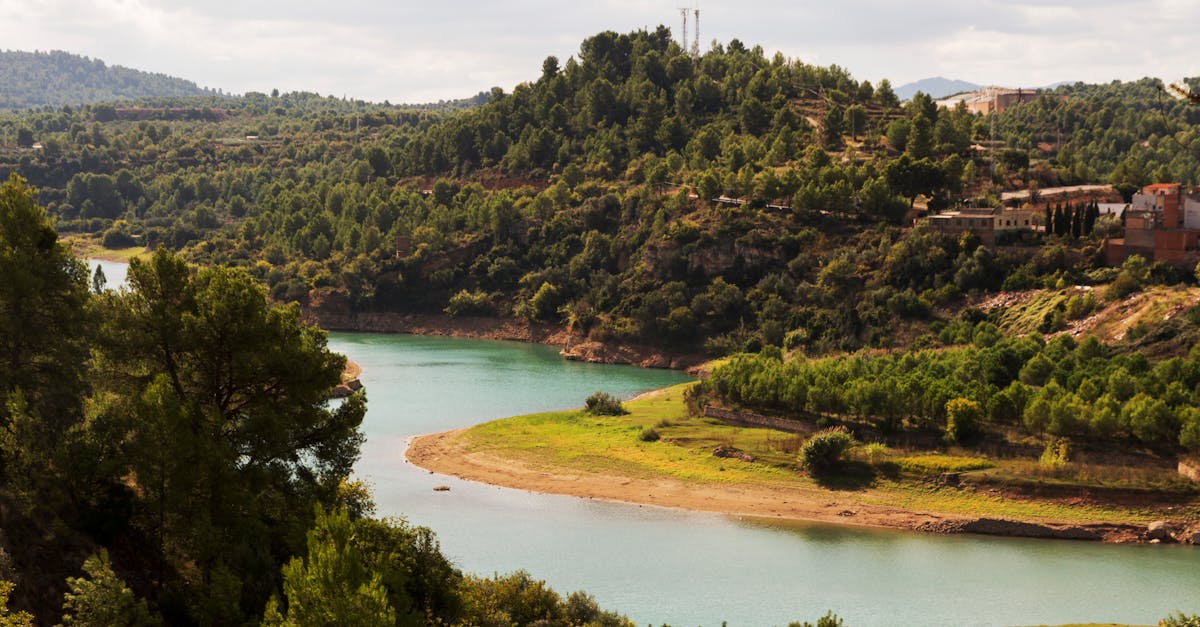 This photo was taken by Guerrero De la Luz on Pexels.
Welcome to the hidden paradise of Northern Spain, a region where the dramatic Cantabrian Sea kisses rolling green hills in a breathtaking embrace. Often overshadowed by the sun-drenched south, this verdant corridor offers a completely different rhythm of life, defined by misty mountains, rugged coastlines, and a culture deeply rooted in tradition. Whether you are an adventurer seeking thrilling hikes through ancient forests or a food lover eager to savor world-class seafood and artisanal cheeses, our journey will guide you through the lush landscapes of the Green Heart, the culinary delights along the coast, and the mysterious hidden gems waiting to be discovered from secret grottoes to time-worn villages.
The Lush Landscapes of the Green Heart
Nestled between the towering peaks of the Cantabrian Mountains and the dramatic, surf-kissed coastline lies a verdant sanctuary that feels worlds away from the arid sun-drenched south. This is the "Green Heart" of Spain, where lush emerald valleys and rolling hills are perpetually draped in a soft, misty embrace that nourishes ancient oak forests and vibrant meadows. Unlike the rest of the peninsula, this region thrives on abundant rainfall, creating a landscape teeming with life where wildflowers carpet the ground in spring and the air carries the fresh scent of damp earth and pine. Here, you can wander through hidden paths in Picos de Europa National Park or explore the tranquil river valleys of Asturias, discovering a nature so rich and untouched that it inspires a profound sense of peace.
Beyond the inland scenery, the Green Heart extends its fertile influence to the rugged cliffs where they plunge into the azure waters of the Cantabrian Sea, creating a breathtaking contrast of colors and textures. The coastline here is dotted with charming fishing villages, their colorful houses clinging precariously to the rock faces, while the sea offers a cooler, invigorating breeze that complements the mild summer climate perfect for hiking and cycling. Whether you are kayaking along secluded coves, tasting world-renowned cider in traditional sidrerías, or simply watching the waves crash against the shore as the fog rolls in from the ocean, this unique blend of mountain majesty and maritime beauty defines an experience that is truly distinctively Spanish yet intimately connected to the raw power of nature.
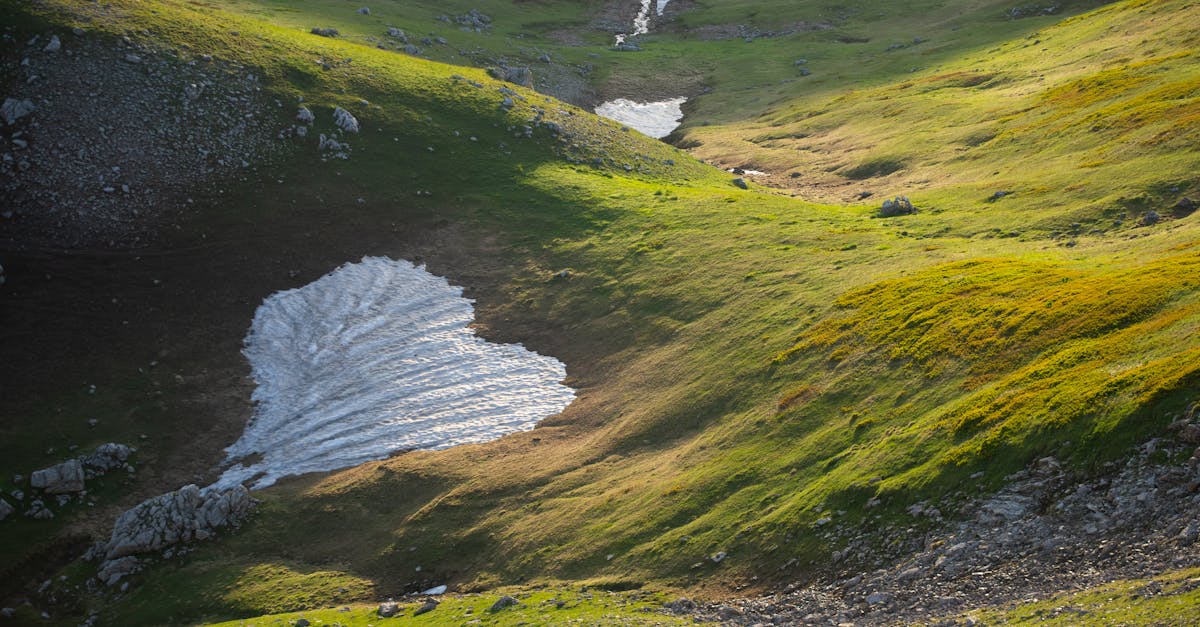 This photo was taken by Amel Uzunovic on Pexels.
Culinary Delights Along the Cantabrian Coast
Navigating the culinary landscape of the Cantabrian Coast reveals a gastronomic tapestry woven from the freshest Atlantic catches and lush, green pastures. Here, the iconic pintxo culture thrives in bustling bars from San Sebastián to Santander, where towering stacks of bread topped with grilled mackerel, local cheeses, and vibrant sauces offer an edible journey through Basque creativity. No visit is complete without savoring the region's legendary seafood; imagine biting into a perfectly fried "besugo" or tasting tender "anchoas" cured in olive oil, all washed down with a crisp, mineral-rich Albariño or a robust red from nearby Rioja. The flavor profile is distinctly maritime yet deeply rooted in tradition, reflecting a cuisine that honors the rhythm of the tides and the bounty of the sea.
Beyond the coastlines, the interior valleys provide a hearty counterpoint with their renowned dairy products and slow-cooked stews that warm the soul against the often misty northern weather. The famous Idiazabal cheese, with its smoky notes derived from beechwood fires, pairs beautifully with sweet quince paste, while the rich "cocido montañés," a chickpea-based stew laden with pork and vegetables, stands as a testament to the region's rustic heritage. As you wander through charming fishing villages like Comillas or Castro Urdiales, you will discover that every meal tells a story of resilience and abundance, inviting travelers to slow down, share plates family-style, and truly immerse themselves in the authentic flavors that make Northern Spain a paradise for food lovers.
 This photo was taken by Luiz Henrique Mendes on Pexels.
Hidden Gems: From Grottoes to Ancient Villages
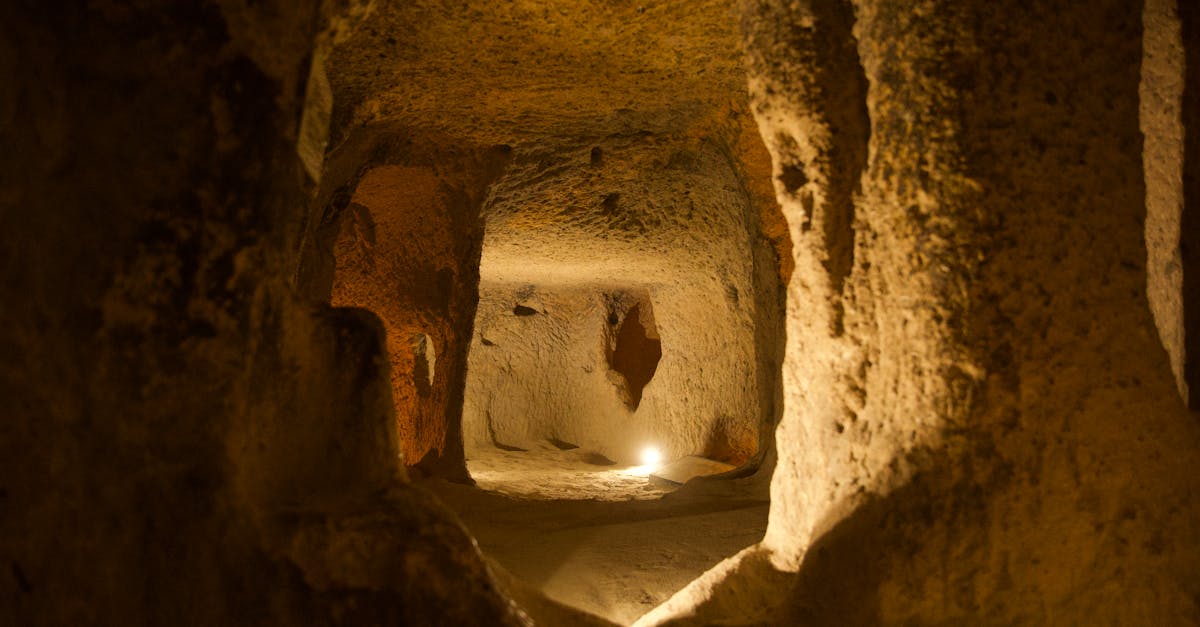
Beyond the bustling coastal towns lies a labyrinth of natural wonders where the Cantabrian Sea carves dramatic cliffs into mysterious grottoes, inviting intrepid explorers to discover their secrets. The Caves of Altamira, though famous for its prehistoric art, are merely the gateway to lesser-known caverns like those in the Picos de Europa region, where stalactites drip with ancient history and underground rivers echo with silence. These subterranean realms offer a cool respite from the summer heat, revealing geological masterpieces that have remained untouched for millennia, waiting for the curious traveler to witness their ethereal beauty in the dim light.
Just a short drive inland, the landscape transforms into a patchwork of emerald valleys dotted with medieval villages that seem frozen in time, offering an authentic glimpse into rural Spanish life. Places like Santillana del Mar or the tiny hamlets of Asturias feature cobblestone streets lined with granite houses, narrow alleyways filled with the scent of baking bread, and churches that have stood guard over generations of locals. Here, tourism is gentle and respectful, allowing visitors to wander through living heritage sites where traditional festivals still bring communities together, creating an atmosphere of warmth and timelessness that defines the soul of Northern Spain.
 This photo was taken by Mehmet Düşün on Pexels.