Northern Spain: The Green Heart of Asturias, Basque Country, and Galicia
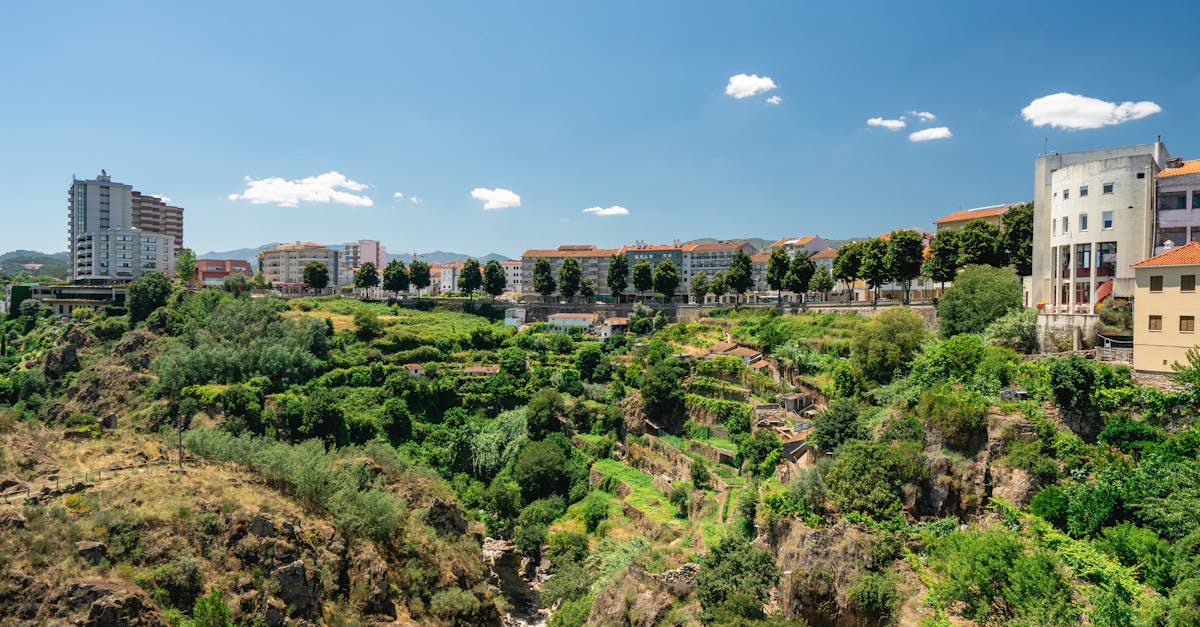 This photo was taken by Sonny Vermeer on Pexels.
Welcome to the verdant soul of Spain, a region where the Atlantic Ocean kisses rugged coastlines and mist clings to ancient forests. Often overshadowed by the sun-drenched south, Northern Spain—comprising the dynamic Basque Country, the dramatic Asturias, and the mystical Galicia—offers an experience unlike any other. Here, the landscape transforms from towering cliffs to lush, rolling valleys, while a rich tapestry of history woven through Roman roads and pre-Roman castros awaits your discovery. As we embark on this journey, prepare your palate for world-renowned culinary delights ranging from savory pintxos to the freshest seafood, and immerse yourself in a culture that has remained vibrant and distinct for centuries.
Culinary Delights: From Pintxos to Seafood
Immerse yourself in the vibrant culinary tapestry of Northern Spain, where the Basque Country and Asturias offer a gastronomic experience that rivals any Michelin-starred establishment. Begin your journey with pintxos, the exquisite small bites that define the social fabric of San Sebastián's old town, where you can hop from bar to bar sampling everything from grilled anchovies on toast to intricate creations topped with foie gras or local cheeses. This region is not merely about eating; it is a celebration of tradition, where every bite tells a story of the land, enhanced by world-renowned Txakoli wines and the warm hospitality that makes visitors feel like part of the family.
Journey westward to Galicia, where the Atlantic Ocean dictates the rhythm of life and the menu, presenting seafood so fresh it often seems to have just left the water. Here, the iconic pulpo á la gallega (octopus) becomes a star dish, served atop wooden boards with paprika and olive oil, while clams, mussels, and razor clams are prepared in countless ways that highlight their natural sweetness. Whether you are enjoying a hearty stew of fish and potatoes in a rustic tavern or savoring a simple grilled prawn by the coast, the flavors of Galicia are an unfiltered tribute to the sea, offering a dining experience that is as authentic and robust as the green landscapes that surround you.
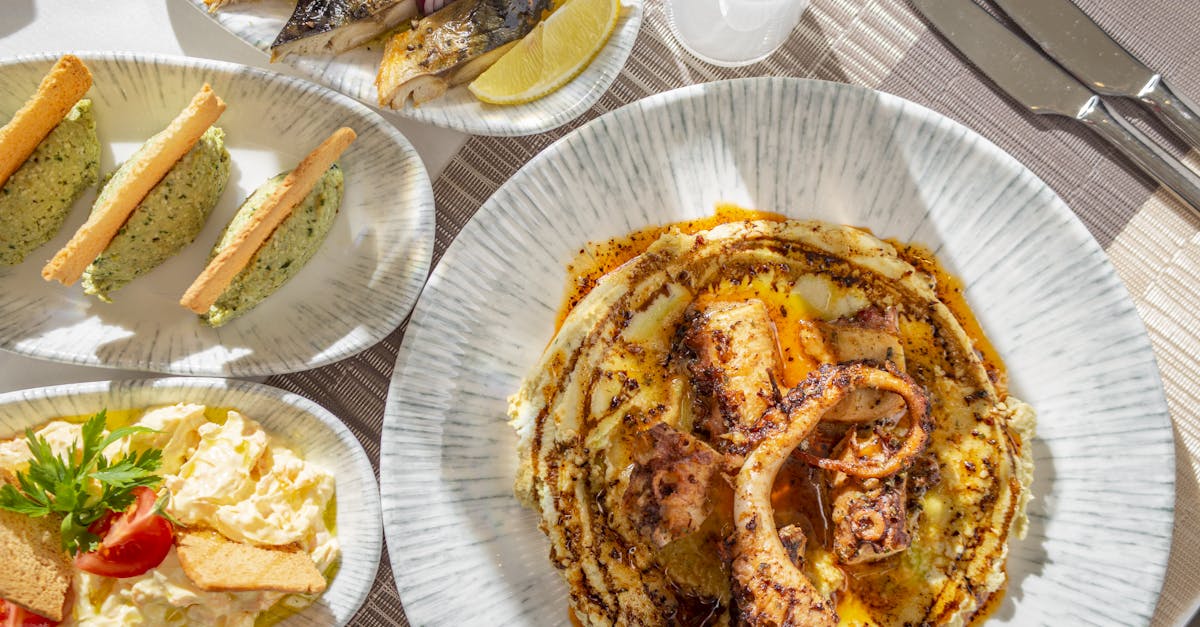 This photo was taken by Efe Burak Baydar on Pexels.
Landscape Wonders: Dramatic Cliffs and Lush Valleys
Prepare your camera for a visual feast where the rugged Atlantic coast collides with verdant mountains, creating some of Europe's most dramatic landscapes. In Asturias, the Picos de Europa rise abruptly from the sea, offering towering limestone cliffs that seem to pierce the sky, while the lush valleys below are dotted with traditional stone houses and grazing cattle. This region is a paradise for hikers, inviting you to traverse the Caminos de Santiago or explore the hidden coves of the Costa Verde, where the contrast between the deep blue ocean and the emerald green slopes creates a breathtaking spectacle that changes with every passing cloud.
Journeying east into the Basque Country and north into Galicia, the scenery shifts to embrace misty valleys and ancient forests that feel untouched by time. Here, the landscape is defined by rolling hills covered in dense oak groves and vineyards that cascade down towards the river valleys, such as the stunning Rías Baixas in Galicia, where steep cliffs meet the water in a serene embrace. Whether you are wandering through the green canyons of the Urkiola Natural Park or exploring the coastal cliffs of Cíes Islands, Northern Spain offers a tranquil yet powerful connection to nature, proving why this region is truly the country's verdant heart.
 This photo was taken by Erik Mclean on Pexels.
Cultural Heritage: Ancient Castros and Roman Roads
Northern Spain's rugged coastline and misty valleys hide a fascinating prehistoric legacy in the form of ancient castros, fortified hilltop settlements that served as the heart of Celtic life long before the Roman Empire arrived. In Galicia and Asturias, these stone-walled villages offer a tangible connection to a resilient past, where visitors can walk through reconstructed round houses and imagine the daily lives of Iron Age communities who mastered the art of living in harmony with their dramatic landscape. From the well-preserved ruins of Borneiro in Galicia to the mysterious citadel of Castrelo do Monte, these archaeological sites provide a unique glimpse into a culture deeply rooted in the land, offering a serene and educational experience for those seeking to understand the region's indigenous origins.
While the castros speak of local traditions, the extensive network of Roman roads that crisscross the north tells the story of imperial ambition and engineering prowess, transforming a remote frontier into a vital link within the empire. These ancient thoroughfares, such as the Via Nova and the Camino de Santiago's early routes, were not merely paths for soldiers but arteries of commerce and culture that connected mining towns in the interior to bustling ports on the Atlantic coast. Today, sections of these remarkably durable stone-paved roads remain visible beneath modern streets or winding through lush green forests, inviting travelers to trace the footsteps of legionaries and merchants while discovering how this strategic infrastructure laid the groundwork for the vibrant cultural tapestry seen in Northern Spain today.
This photo was taken by Erik Mclean on Pexels.