Navigating Spain's Public Transport System Like a Pro
 This photo was taken by Skylar Kang on Pexels.
Bienvenidos to the sun-drenched streets and historic corners of Spain! As your local guide, I know that while our culture is best experienced on foot, truly mastering a country as diverse as ours requires a little bit of transit savvy. Whether you are hopping between the vibrant metro lines of Madrid, catching the high-speed AVE to Seville, or venturing into the charming villages of rural Andalusia, Spain's public transport network is your golden ticket to an unforgettable adventure. In this post, we'll cut through the confusion and show you exactly how to navigate trains, buses, and subways with confidence, all while keeping your wallet happy with the latest apps and money-saving passes. Let's get moving!
Mastering the Metro and Renfe: Getting Around Major Cities
When exploring Spain's bustling metropolises like Madrid and Barcelona, the metro system is your most reliable ally for navigating traffic-free streets. In Madrid, the extensive red network covers every corner of the city and even reaches into neighboring towns, while Barcelona's vibrant, color-coded lines offer a scenic underground journey past modernist architecture. To truly master these systems, invest in a multi-day travel card or a T-10 ticket, which allows unlimited transfers within a set timeframe and saves you from constantly queuing at ticket machines. Remember that trains arrive frequently during peak hours, but it is wise to avoid the crowded rush between 8:00 AM and 9:30 AM if you prefer a more comfortable commute, and always be mindful of pickpockets in busy stations.
For intercity travel that connects major hubs such as Seville, Valencia, and Malaga with ease, Renfe offers a seamless rail experience ranging from high-speed AVE trains to regional services. The AVE is a game-changer for tourists, whisking you from Madrid to Seville in just under three hours, often making train travel faster and more relaxing than flying when you factor in airport security. Before booking, familiarize yourself with the different classes available; standard class is perfectly adequate for short hops, while first class offers extra legroom and complimentary snacks on longer routes. Purchasing tickets online in advance through the official Renfe website not only guarantees a seat but often unlocks significant discounts compared to buying at the station, ensuring your Spanish adventure flows smoothly from one historic city to the next.
 This photo was taken by Erik Mclean on Pexels.
Navigating Regional Buses and Rural Connections
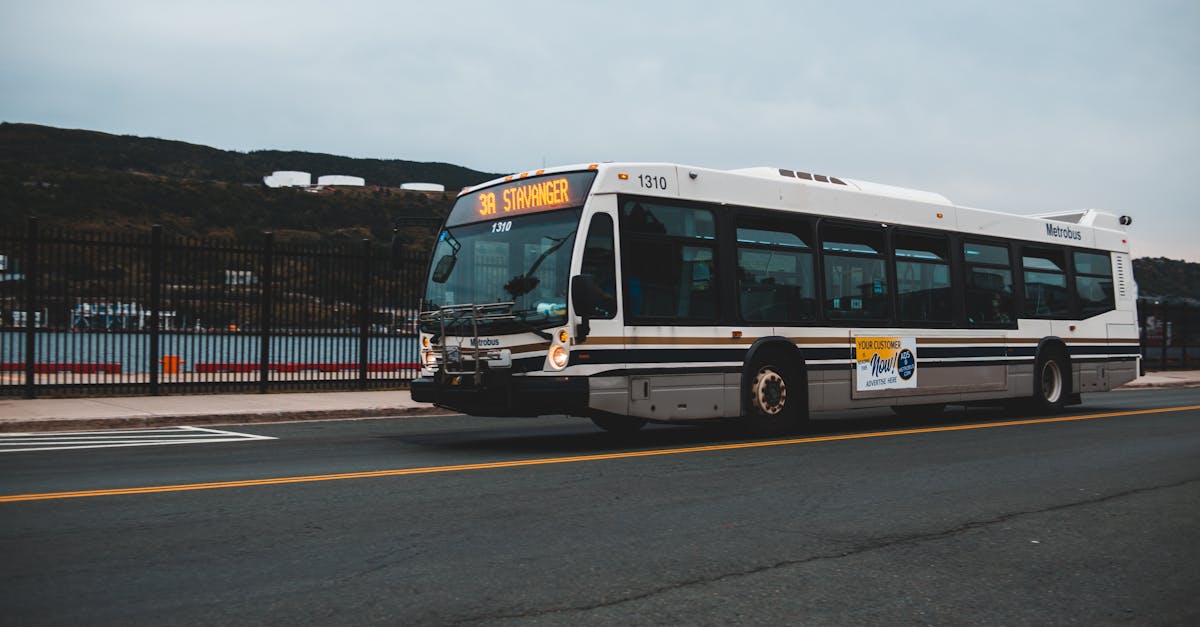
While Spain's high-speed AVE trains are famous for connecting major cities, the true heart of the country beats in its villages and coastal towns, accessible primarily through an extensive regional bus network known as autobuses interurbanos. These buses, often operated by local companies like ALSA or Monbus, serve as the vital lifeline to remote areas where train stations simply do not exist, from the olive groves of Jaén to the fishing hamlets of Galicia. Although schedules can be less frequent than in metropolitan hubs—sometimes running only a few times a day, especially on weekends and holidays—they offer an authentic way to experience the Spanish landscape at a leisurely pace, allowing you to stop and soak in the views of rolling hills and historic stone villages that trains would skip entirely.
To navigate these rural connections like a pro, it is essential to plan ahead by checking timetables online via platforms like Renfe or specific regional transport websites, as many smaller operators still rely on printed schedules rather than real-time apps. When boarding, remember that unlike city metro systems, you often pay the driver directly in cash or with a card, so having small change ready is crucial; however, in larger regions like Catalonia or the Basque Country, you might use rechargeable contactless cards similar to the Barcelona T-Mobilitat or Bilbao Salta. Embracing this slower mode of travel not only unlocks hidden gems off the beaten path but also provides a unique opportunity to strike up conversations with locals, giving you a deeper insight into daily life beyond the typical tourist trail.
 This photo was taken by Michał Robak on Pexels.
Smart Ticketing Apps and Money-Saving Passes
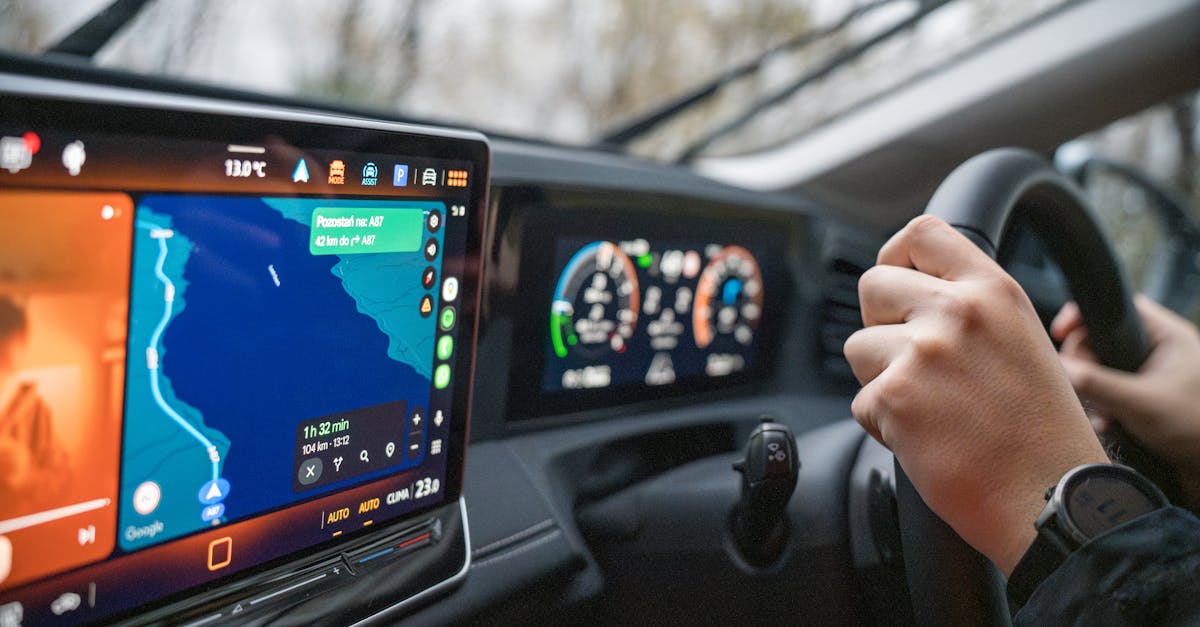
Gone are the days of fumbling for loose change or waiting in long queues at ticket machines; Spain has embraced a digital revolution that makes navigating its extensive public transport network incredibly seamless. In major cities like Madrid, Barcelona, and Valencia, dedicated apps such as Moovit, Renfe, and TMB offer real-time schedules, route planning, and mobile ticketing options that allow you to tap your smartphone directly onto validators. These platforms not only save time but also provide valuable insights into service disruptions and optimal travel times, ensuring you never miss a connection while exploring everything from bustling city centers to scenic coastal lines.
To truly maximize your budget during your Spanish adventure, investing in a local multi-ride pass or a tourist travel card is often the smartest financial move available. Cities frequently offer passes like the Hola BCN! card in Barcelona or the Abono Turístico in Madrid, which grant unlimited access to metros, buses, and trams for 24, 48, or even 72 hours at a fraction of the cost of single tickets. For travelers venturing beyond urban hubs, regional passes like the Renfe España Pass can unlock significant savings on high-speed AVE trains between destinations, allowing you to hop from the historic streets of Seville to the modern architecture of Bilbao without breaking the bank.
 This photo was taken by Marta Branco on Pexels.