Navigating Spain: Public Transport Tips and Regional Train Passes
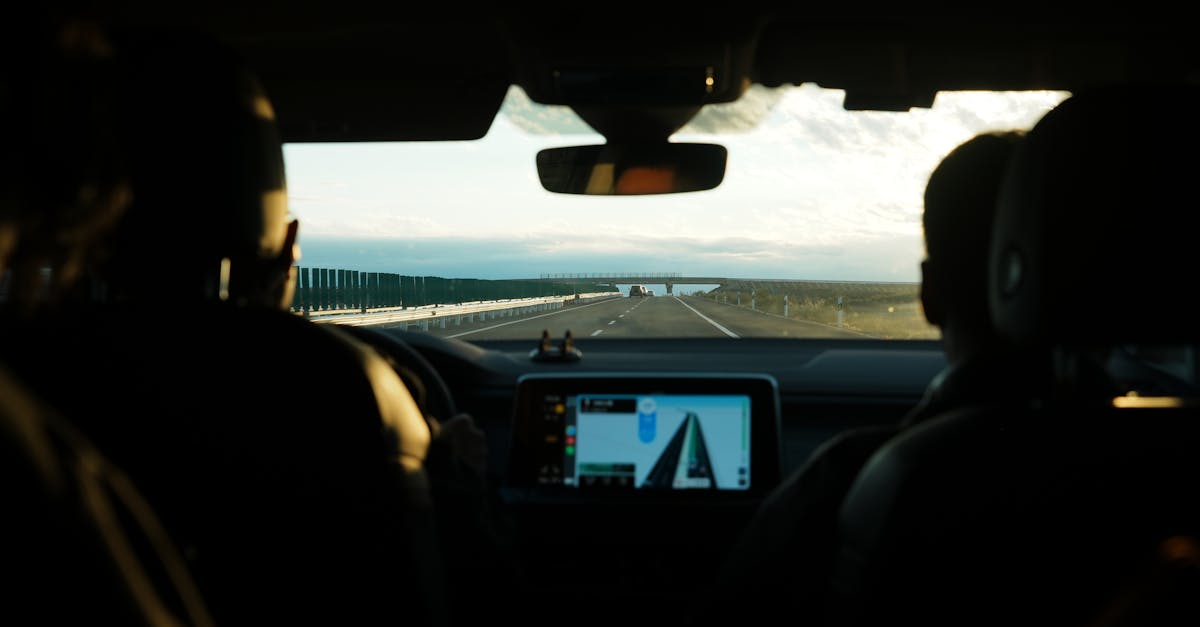 This photo was taken by 文浩 任 on Pexels.
¡Hola, travelers! Welcome to the heart of Spain, a land where vibrant culture and breathtaking landscapes are connected by one of Europe's most efficient transportation networks. Whether you dream of zipping from Madrid to Barcelona in under three hours or meandering through the historic cobblestone streets of Andalusia on a local line, understanding how to move around is key to unlocking your perfect Spanish adventure. In this guide, we'll dive deep into the world of Spanish rail, helping you master the high-speed AVE trains, select the ideal regional passes for your specific itinerary, and seamlessly weave together metro, bus, and train connections for a journey that is as smooth as it is memorable. Get ready to explore our beautiful country with confidence and ease!
This photo was taken by 文浩 任 on Pexels.
¡Hola, travelers! Welcome to the heart of Spain, a land where vibrant culture and breathtaking landscapes are connected by one of Europe's most efficient transportation networks. Whether you dream of zipping from Madrid to Barcelona in under three hours or meandering through the historic cobblestone streets of Andalusia on a local line, understanding how to move around is key to unlocking your perfect Spanish adventure. In this guide, we'll dive deep into the world of Spanish rail, helping you master the high-speed AVE trains, select the ideal regional passes for your specific itinerary, and seamlessly weave together metro, bus, and train connections for a journey that is as smooth as it is memorable. Get ready to explore our beautiful country with confidence and ease!
Mastering the AVE: High-Speed Rail Across Spain
Mastering the AVE: High-Speed Rail Across Spain
The AVE (Alta Velocidad Española) is the crown jewel of Spain's transportation network, offering a seamless and efficient way to traverse the country at speeds reaching up to 310 km/h. Connecting major hubs like Madrid, Barcelona, Seville, Valencia, and Málaga in mere hours, this high-speed rail system transforms what used to be long, arduous journeys into quick, comfortable trips where you can enjoy panoramic views of the Spanish countryside from your seat. Unlike many other European networks, the AVE stations are often located right in the city centers, eliminating the hassle of long transfers from distant airports or suburban terminals, making it the preferred choice for both business travelers and tourists eager to maximize their time exploring historic plazas, museums, and vibrant tapas bars.
To truly master the AVE experience, savvy travelers should book their tickets well in advance through the official Renfe website or app, as fares can fluctuate significantly based on demand, with "Promo" tickets offering substantial savings if booked early. While the standard class provides ample comfort, upgrading to "Preferente" service grants access to exclusive lounges in major stations, complimentary refreshments, and extra legroom, enhancing the journey before you even depart. For those planning an itinerary that covers multiple regions, consider pairing your AVE travel with regional passes like the Avant or Media Distancia trains, which offer more flexible connectivity to smaller towns and coastal villages not yet reached by the high-speed lines, ensuring you have a comprehensive guide to navigating every corner of this diverse nation.
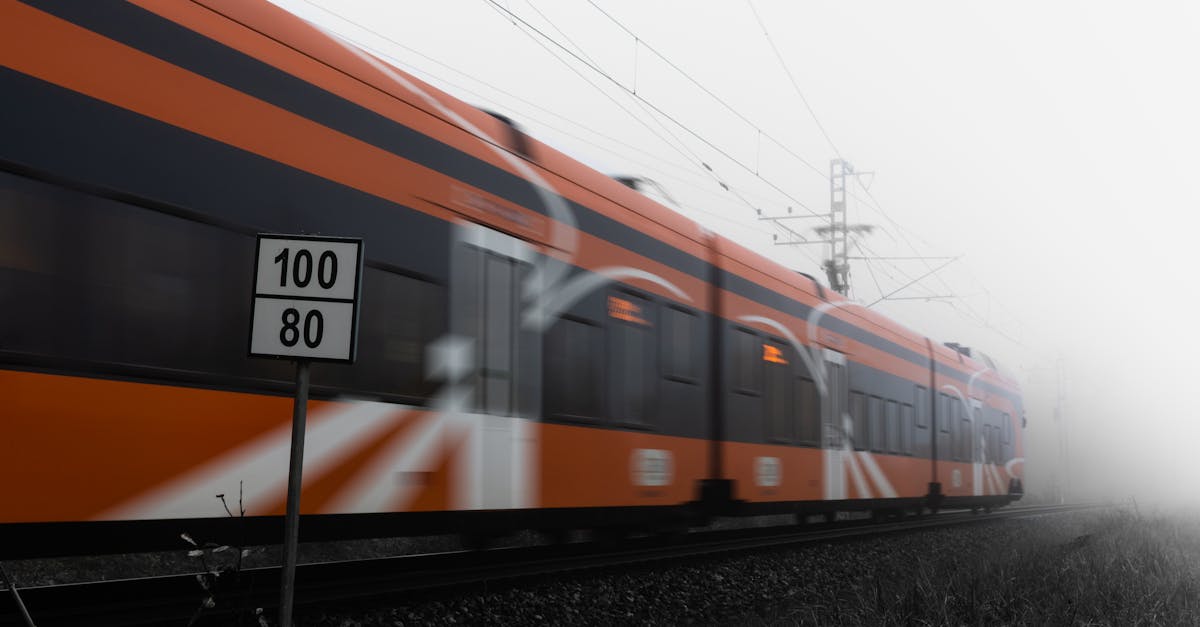 This photo was taken by Alari Tammsalu on Pexels.
Regional Gems: Choosing the Right Train Pass for Your Route
Spain's rail network is a masterpiece of connectivity, weaving through the sun-drenched vineyards of La Rioja and the rugged cliffs of Galicia with remarkable efficiency. When planning your journey, understanding the difference between national passes like the Renfe Spain Pass and regional offerings such as the Andalusía Pass or the Catalunya Tourist Card is crucial for maximizing your budget. While a national pass offers flexibility for hopping between major hubs like Madrid, Seville, and Barcelona, regional passes often provide unlimited travel within specific autonomous communities at a fraction of the cost, allowing you to explore hidden gems like the white villages of the Serranía de Cádiz or the coastal towns of Costa Brava without breaking the bank.
Choosing the right pass ultimately depends on the depth of your itinerary; if your adventure focuses on a single region, a localized ticket is almost always the smarter financial choice, granting you access to frequent local services that connect small towns often missed by long-distance AVE trains. However, for the intrepid traveler intent on crossing multiple regions in a short timeframe, a flexible multi-day pass can unlock spontaneous detours to medieval castles in Castile or historic markets in Valencia. Remember to validate your tickets before boarding and consider booking high-speed connections well in advance, even with a pass, to secure your seat on the country's famous Alvia andAVE services.
 This photo was taken by JACK REDGATE on Pexels.
Seamless Connections: Integrating Metro, Bus, and Train Travel
One of the greatest advantages of exploring Spain is the remarkable seamlessness between its diverse transport networks, allowing you to glide effortlessly from a bustling city center to a quaint coastal village. In major hubs like Madrid and Barcelona, the integrated Ten+1 or T-Usual cards serve as your golden ticket, granting access to metros, buses, and trams within a single fare structure; simply tap once upon entry and enjoy unlimited transfers for a set duration. This unified system extends beyond urban limits, where regional trains (Cercanías) often station directly adjacent to bus terminals, meaning you can step off a high-speed AVE train and immediately board a local bus to reach your final destination without needing to purchase separate tickets or navigate complex currency exchanges.
To truly maximize your journey across different regions, consider leveraging the strategic integration of long-distance rail with local connectivity, particularly when utilizing passes like the Renfe España Pass or regional offerings such as the Catalunya Pass. These passes not only cover extensive intercity routes but also frequently include discounts or direct connections to local transit systems in cities like Seville, Valencia, and Bilbao, eliminating the friction of planning multiple bookings. By understanding that Spain's transport infrastructure is designed for fluid transitions, you can craft an itinerary that moves smoothly from the historic streets of Toledo to the beaches of Costa del Sol, ensuring that your time is spent soaking in the culture rather than wrestling with logistical hurdles.
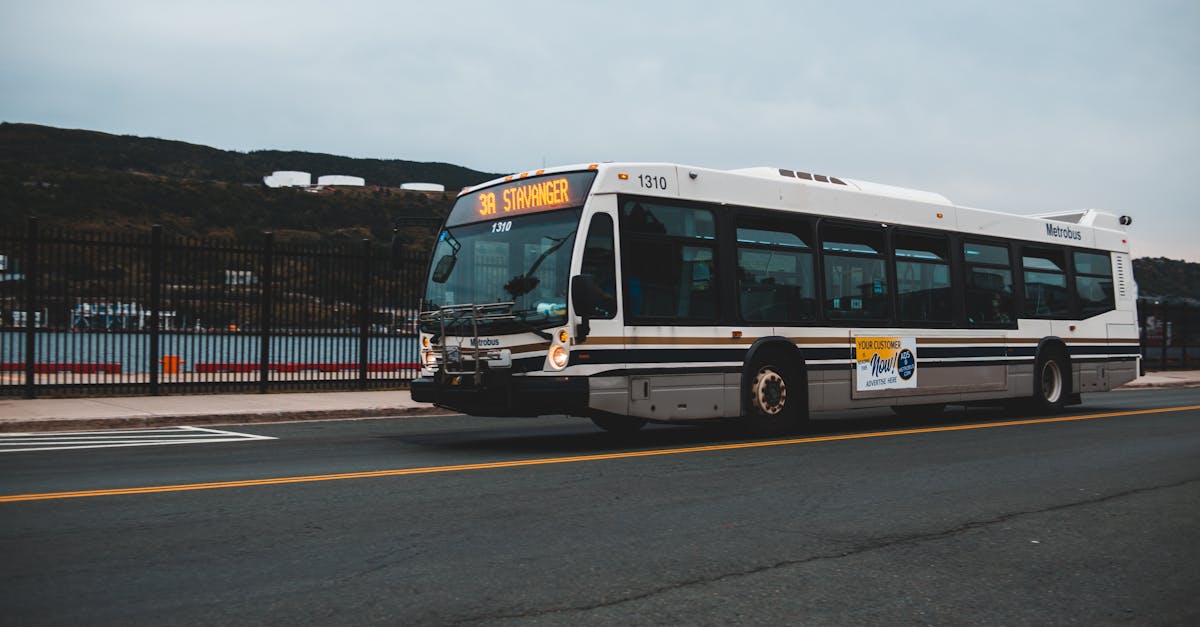 This photo was taken by Erik Mclean on Pexels.