Modern Spain: Tech Hubs, Design Districts, and Urban Revitalization
 This photo was taken by Erik Mclean on Pexels.
When travelers first think of Spain, they often envision ancient Roman ruins, golden sandy beaches, or the vibrant rhythms of flamenco. Yet, beneath this timeless charm lies a dynamic nation undergoing a remarkable transformation. From the sleek glass towers of Madrid to the futuristic domes of Valencia and the innovation-driven districts of Barcelona, modern Spain is redefining itself as a powerhouse of technology, design, and urban renewal. In this post, we journey beyond the traditional guidebook to explore how Spanish cities are seamlessly blending their rich historical heritage with cutting-edge architecture and forward-thinking economic strategies. Join us as we discover the new face of Spain, where the past inspires the future in some of the most exciting urban landscapes in Europe.
Barcelona's 22@: Where Innovation Meets Modernist Architecture
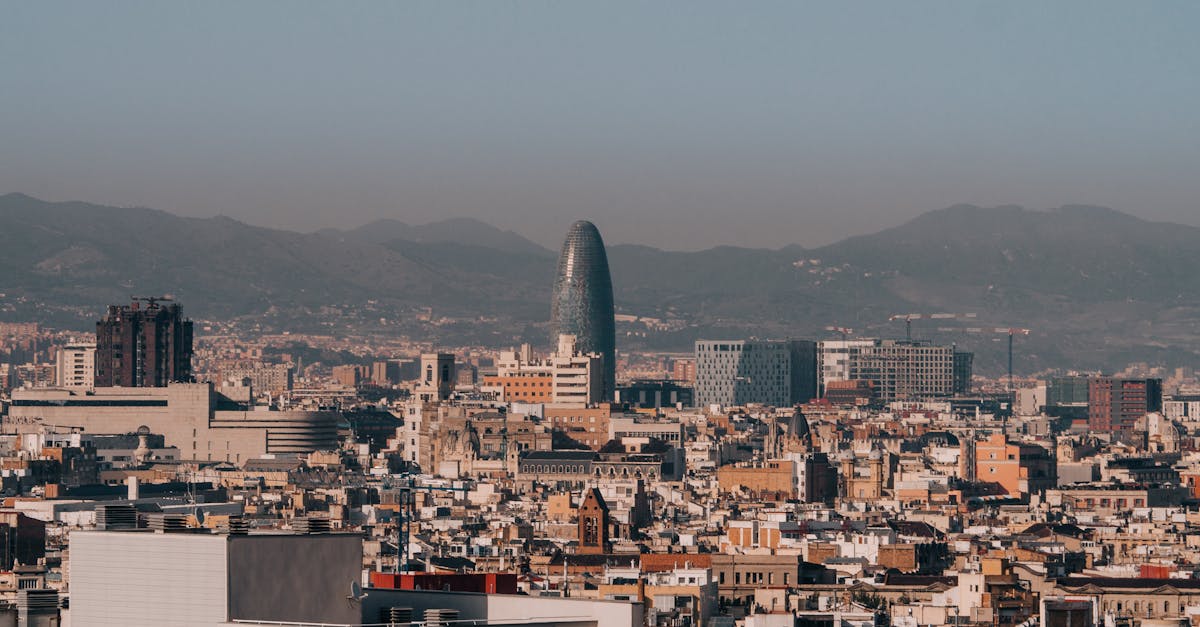
Nestled in the former industrial heart of Poblenou, Barcelona's 22@ district stands as a vibrant testament to the city's remarkable transformation from a manufacturing hub into a global center for innovation and technology. This sprawling urban experiment has seamlessly woven cutting-edge startups, research parks, and digital agencies into the fabric of a neighborhood once dominated by factories, creating a dynamic ecosystem where creativity thrives alongside commerce. As you stroll through its wide avenues, you will encounter a lively mix of international talent and local entrepreneurs, all contributing to a buzzing atmosphere that defines the new face of Spanish entrepreneurship, making it a must-visit destination for anyone interested in the future of tech in Europe.
What truly sets 22@ apart is its unique architectural dialogue between the past and the present, where sleek, glass-fronted modernist buildings stand proudly alongside preserved industrial chimneys and historic structures. The district's urban planning respects the legacy of Catalan Modernism while embracing sustainable design principles, featuring energy-efficient offices, pedestrian-friendly plazas, and green spaces that invite both locals and tourists to linger. Whether you are attending a tech conference or simply exploring the area on foot, the visual contrast of contemporary skyscrapers reflecting against the warm tones of traditional brickwork offers a stunning backdrop that perfectly encapsulates the spirit of a modern Spain reinventing itself without losing its soul.
 This photo was taken by Rockwell branding agency on Pexels.
Madrid's Cuatro Torres: The Skyline of a New Economic Era
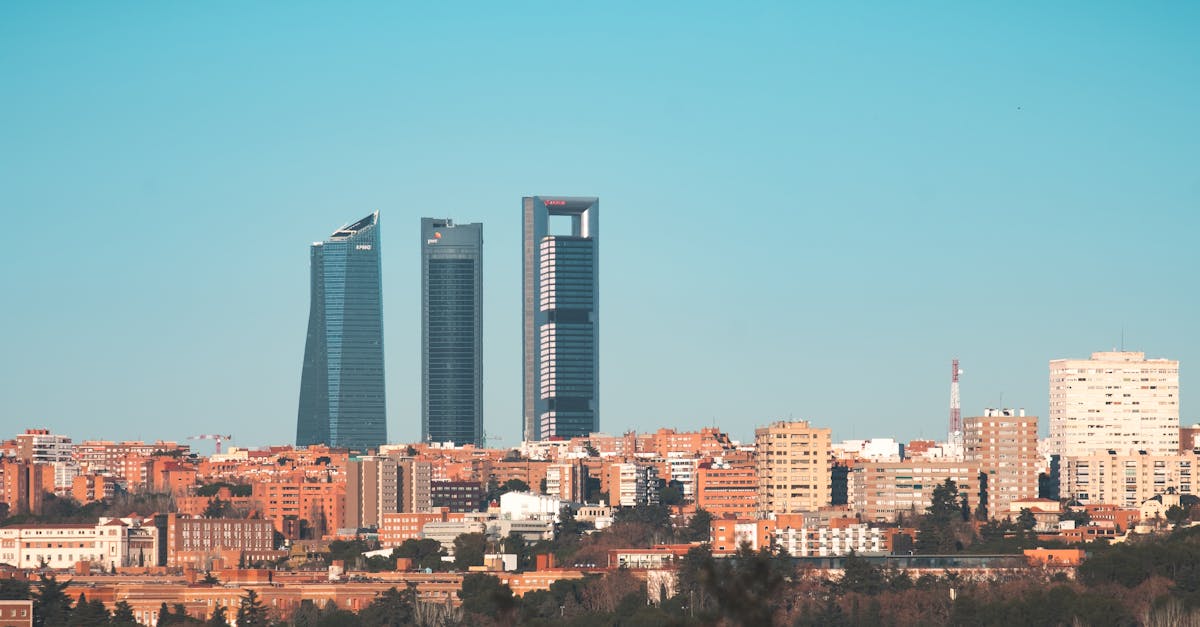
As you gaze up from the bustling streets of the Paseo de la Castellana, the Cuatro Torres Business Area stands as a bold testament to Spain's rapid economic transformation. This architectural marvel, featuring four distinct skyscrapers that pierce the Madrid sky, is not merely a collection of glass and steel but a symbol of the nation's entry into a new global financial era. Home to major multinational corporations and cutting-edge tech firms, this district has seamlessly blended modern engineering with sustainable design, offering visitors a striking contrast to the historic charm found just minutes away in the city center. Walking through its plazas, one can feel the pulse of a dynamic economy that values innovation while respecting the urban fabric of the capital.
Beyond its corporate significance, the Cuatro Torres area exemplifies the successful urban revitalization that defines modern Spain. Once an underdeveloped zone on the city's periphery, it has been reimagined as a vibrant hub where business meets leisure, complete with high-end shopping centers, diverse dining options, and green spaces designed for public enjoyment. For the tourist, this neighborhood offers a unique perspective on contemporary Spanish life, showcasing how the country balances tradition with forward-thinking development. Whether you are here for a business meeting or simply to admire the skyline at sunset, the Cuatro Torres invites you to witness firsthand how Madrid is leading the charge in creating a sleek, efficient, and welcoming environment for the future.
 This photo was taken by Jo Kassis on Pexels.
Valencia's City of Arts and Sciences: A Blueprint for Urban Renewal
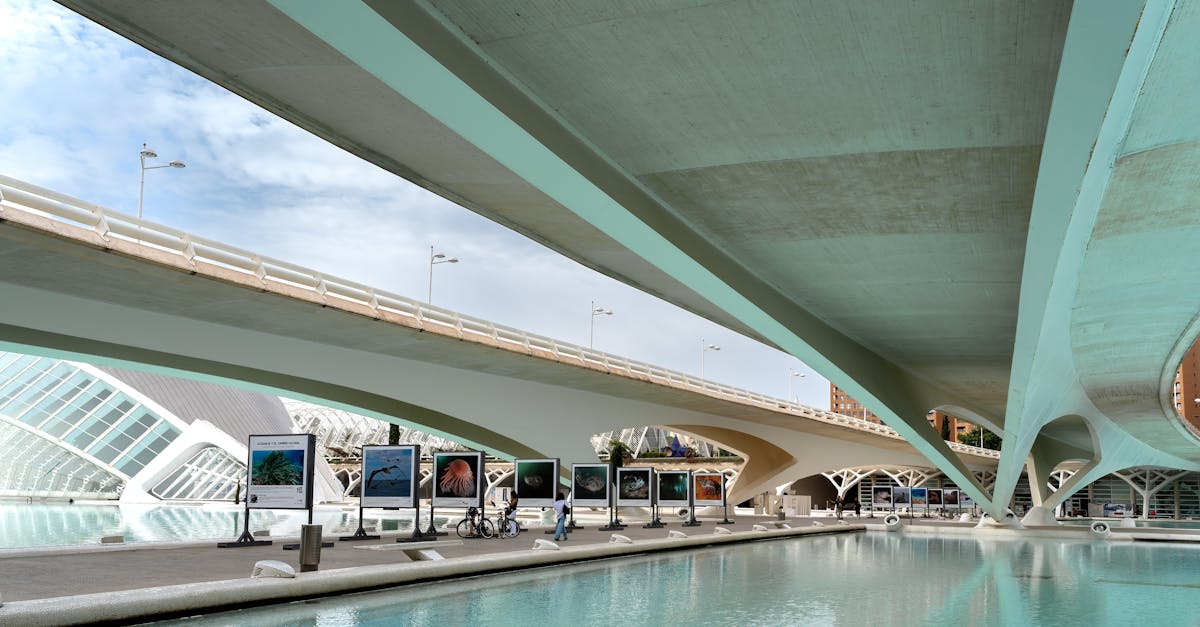
Stepping into Valencia's City of Arts and Sciences feels less like visiting a museum complex and more like witnessing the future of urban planning unfold in real time. Once a reclaimed riverbed, this architectural marvel—designed by Santiago Calatrava and Félix Candela—stands as a testament to Spain's ability to transform industrial decay into a vibrant cultural epicenter. The sweeping white structures, from the Hemisfèric's futuristic eye to the Oceanogràfic's glass waves, have not only redefined the city's skyline but also spurred a massive economic revival, drawing millions of visitors annually and proving that bold design can breathe new life into forgotten spaces.
This district serves as a blueprint for modern Spanish cities seeking to balance heritage with innovation, demonstrating how strategic investment in culture can catalyze broader urban revitalization. By integrating educational facilities, scientific research centers, and leisure spaces within a single cohesive vision, Valencia has created a model where tourism and community development thrive side by side. For travelers exploring the heart of modern Spain, the City of Arts and Sciences offers more than just stunning visuals; it provides an inspiring example of how visionary leadership can turn a post-industrial landscape into a global beacon of creativity and progress.
 This photo was taken by Rafael Minguet Delgado on Pexels.