Modern Architecture Marvels: The Future of Design in Valencia and Zaragoza
 This photo was taken by Erik Mclean on Pexels.
Welcome, fellow travelers! If you've always associated Spanish architecture with ancient stone cathedrals and charming whitewashed villages, prepare to have your expectations reimagined. Today, we journey beyond the historic centers to discover where Spain's past meets its bold future: the dynamic cities of Valencia and Zaragoza. From the otherworldly silhouettes that dominate the Mediterranean skyline to the industrial-chic transformations born from international expositions, these two hubs are proving that design in Spain is not just about preserving history, but actively sculpting tomorrow. Join me as we explore how futuristic iconography, sustainable urbanism, and a unique dialogue between tradition and innovation are reshaping the very fabric of our beloved country.
The City of Arts and Sciences: Valencia's Futuristic Iconography
Just a stone's throw from the bustling historic center lies the City of Arts and Sciences, a breathtaking architectural ensemble that redefines Valencia's skyline with its sweeping curves and gleaming white surfaces. Designed by the visionary Santiago Calatrava and Félix Candela, this complex is not merely a collection of buildings but a living testament to the city's embrace of innovation, featuring the Hemisfèric's futuristic eye, the Science Museum's skeletal structure, and the majestic Oceanogràfic, which holds the title of Europe's largest aquarium. As you wander through its lagoon-like waters and glass-walled corridors, you are immersed in a world where art, science, and nature converge, offering visitors an immersive experience that feels plucked straight from a sci-fi novel yet remains deeply rooted in Spanish creativity.
Beyond its visual splendor, the City of Arts and Sciences serves as a vibrant cultural hub that attracts millions of tourists annually, proving that modern design can harmonize seamlessly with traditional urban life. Whether you are captivated by a 3D show at the L'Hemisfèric, exploring the interactive exhibits at the Museu de les Ciències Príncipe Felipe, or simply enjoying a leisurely stroll along the Paseo de la Alameda, the complex offers a dynamic escape from the past into a future filled with possibilities. It stands as a powerful symbol of how Valencia has transformed itself into a beacon of contemporary architecture, inviting travelers to witness the seamless blend of engineering marvels and artistic expression that defines the spirit of modern Spain.
This photo was taken by Erik Mclean on Pexels.
Zaragoza's Expo Legacy: A Dialogue Between Tradition and Innovation
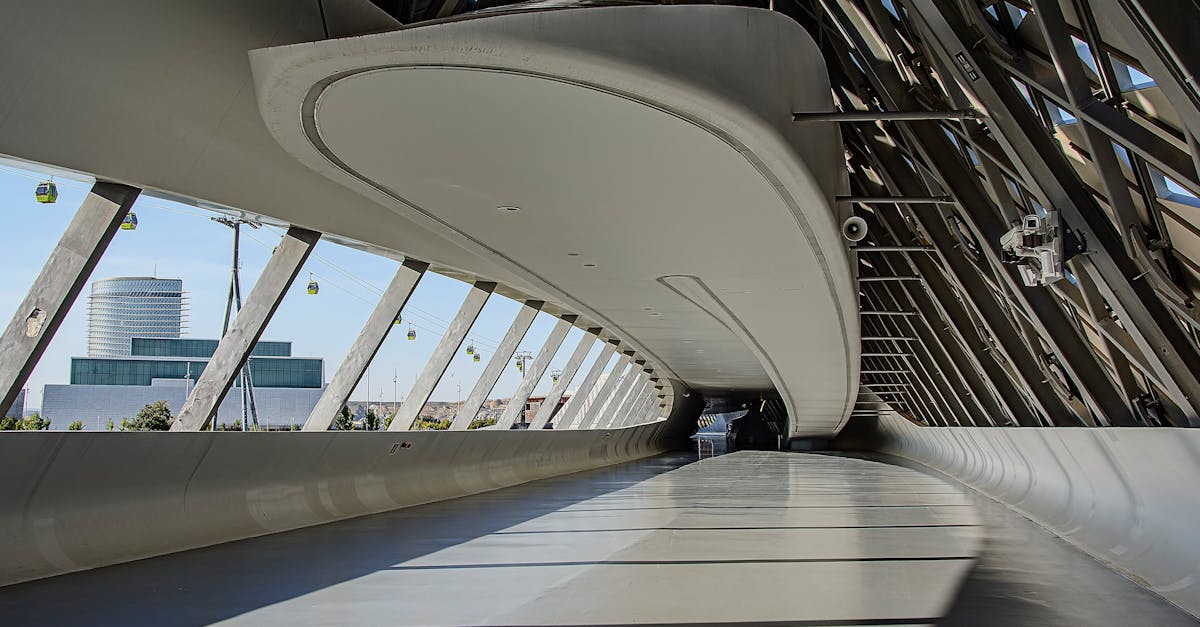
Zaragoza's transformation following the 2008 Expo serves as a vibrant testament to how a city can seamlessly weave its rich Aragonese heritage with cutting-edge futurism. The iconic Puente de los Puentes, designed by Santiago Calatrava, stands not merely as a functional crossing over the Ebro River but as a sculptural dialogue between the fluidity of modern engineering and the enduring spirit of the region's history. This architectural marvel has sparked a renaissance in the district, where historic brick warehouses have been repurposed into contemporary cultural hubs, creating a unique atmosphere where the past whispers to the future through glass facades and steel beams.
Beyond the structural wonders, the legacy of the Expo is felt in the city's commitment to sustainable innovation that respects local traditions. The Agua y Desarrollo (Water and Development) pavilion now houses institutions dedicated to water management, reflecting Zaragoza's historical reliance on irrigation while tackling modern ecological challenges. Visitors walking through these grounds experience a living museum where traditional Spanish craftsmanship meets global design trends, proving that Zaragoza is not just preserving its identity but actively shaping it into a beacon of forward-thinking urban planning for the entire Mediterranean basin.
 This photo was taken by Ana Hidalgo Burgos on Pexels.
Sustainable Urbanism: How Both Cities Are Redefining Spanish Design
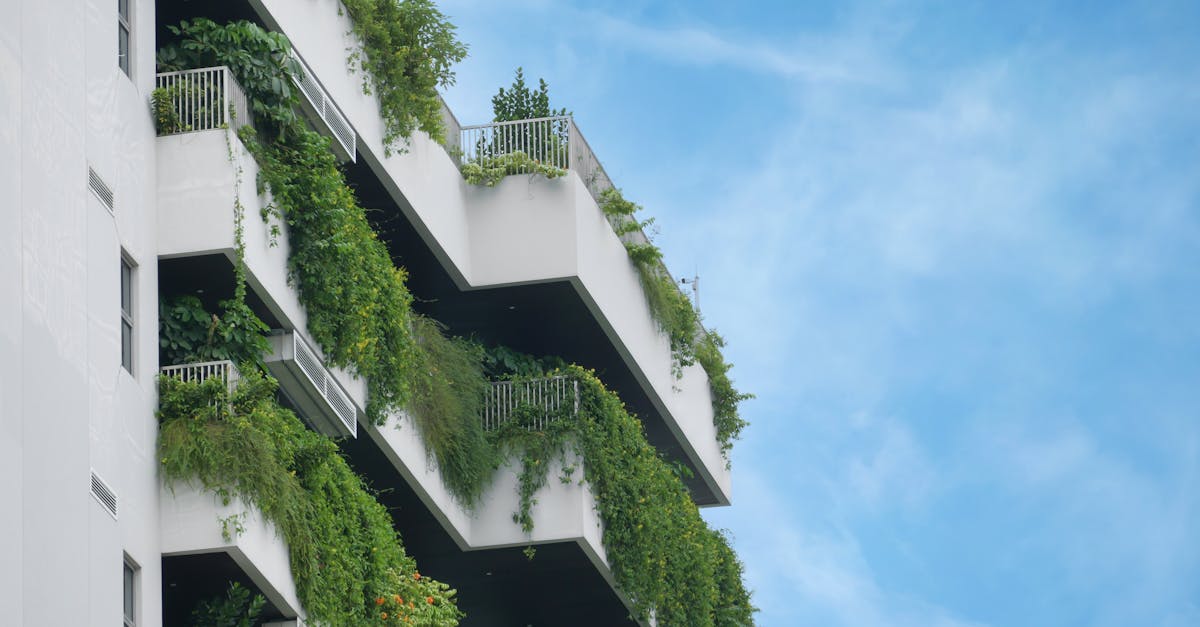
In Valencia, the transformation of the former riverbed into the Turia Gardens stands as a monumental testament to sustainable urbanism, seamlessly weaving nature into the city's modern fabric. This green artery not only serves as a recreational haven but also acts as a natural cooling system, mitigating the intense summer heat while promoting biodiversity within the metropolitan area. Complementing this ecological approach, the City of Arts and Sciences demonstrates how futuristic architecture can coexist with environmental responsibility, utilizing advanced water treatment systems and solar integration to create a landmark that is as functional as it is visually striking.
Zaragoza has embraced a similar philosophy through its strategic regeneration of the Ebro Riverbanks, turning what was once an industrial zone into a vibrant, pedestrian-friendly corridor known as the Expo 2008 legacy. The city's design ethos prioritizes mixed-use developments and energy-efficient public spaces, proving that historical preservation and contemporary innovation can drive sustainable growth. By focusing on walkability, renewable energy infrastructure, and adaptive reuse of historic structures, Zaragoza is redefining Spanish urban planning to create resilient communities that honor their past while embracing a greener future.
 This photo was taken by Towfiqu barbhuiya on Pexels.