Local Traditions: Understanding the Siesta, La Hora del Vermut, and More
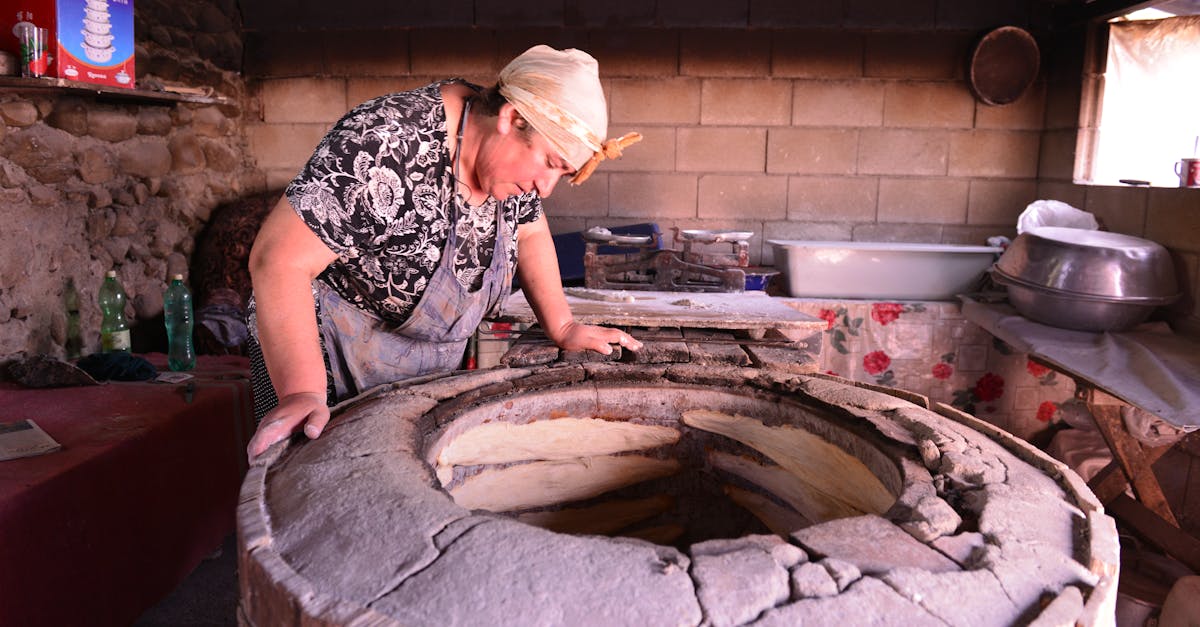 This photo was taken by enes çimen on Pexels.
Welcome to the heart of Spain, where time moves to a rhythm all its own. As your local guide, I invite you to step off the beaten path and discover the cultural heartbeat that pulses through our streets: the cherished traditions that define daily life here. From the restorative pause of la siesta, designed not just for sleep but for reconnection, to the lively social ritual of La Hora del Vermut that kicks off the afternoon with friends and good wine, these customs are far more than habits—they are the soul of Spanish living. Join me as we delve into these unique daily rhythms, offering you the insight needed to truly embrace the authentic Spanish experience.
The Art of the Siesta: Rest, Refresh, and Reconnect
In the heart of Spain, the siesta is far more than a simple afternoon nap; it is a cherished cultural rhythm that harmonizes work and leisure with the country's warm climate. Traditionally observed between 2:00 PM and 5:00 PM, this period allows locals to retreat from the midday heat, returning home to enjoy a substantial family lunch before recharging for the evening. While modern urban life has seen some businesses adjust their hours, many smaller shops still close their shutters during these golden hours, inviting visitors to pause, sip an espresso in a quiet plaza, or simply stroll through shaded streets where the atmosphere slows down significantly.
Embracing this tradition offers tourists a unique opportunity to reconnect with the authentic Spanish way of life, transforming a break in the day into a moment of mindful refreshment. Instead of rushing through sightseeing, one can observe how families gather for extended meals, fostering deep social bonds that define the community spirit. By respecting and participating in this lull, travelers gain a deeper appreciation for the balance Spaniards strike between productivity and well-being, ensuring they return to their own adventures feeling rejuvenated and ready to explore the vibrant nightlife that begins only after the sun starts to set.
 This photo was taken by Caique Araujo on Pexels.
La Hora del Vermut: Spain's Social Ritual Before Lunch
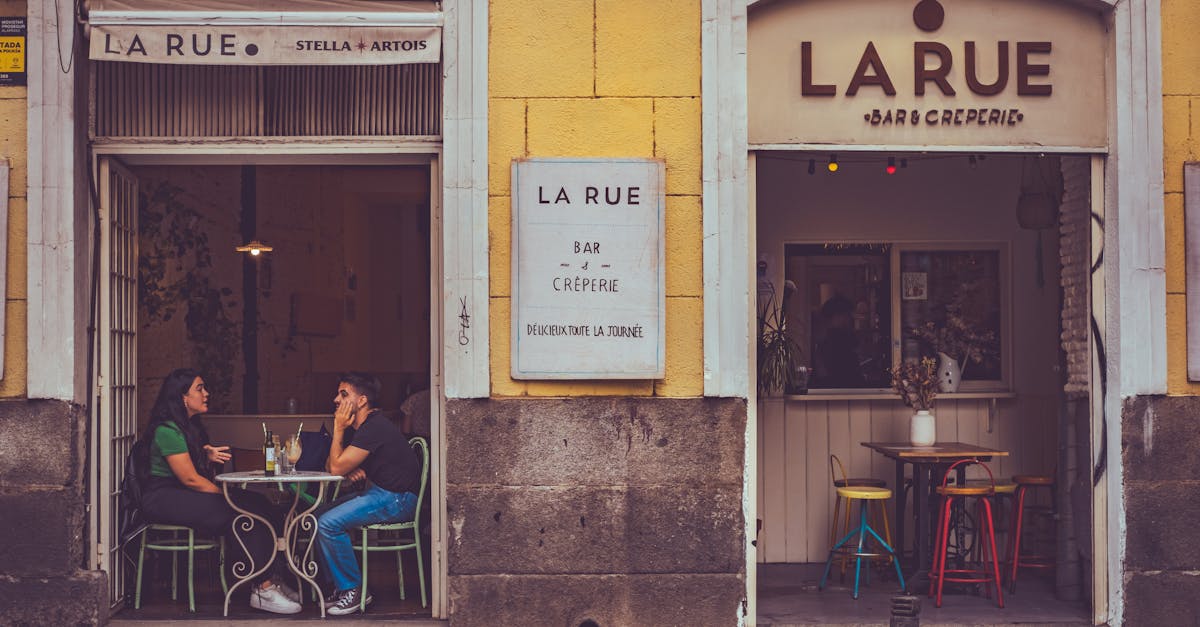
As the midday sun begins to climb, a unique social ritual sweeps through Spanish cities and villages known as La Hora del Vermut, or the vermouth hour. Typically enjoyed between 11:00 AM and 2:00 PM, this tradition serves as a sophisticated prelude to lunch, where locals gather at bustling terraces to sip on chilled vermouth, often mixed with a slice of orange and a splash of soda water. It is far more than just a drink; it is a communal pause that allows friends, families, and colleagues to unwind before the main meal, accompanied by an array of tapas such as anchovies, olives, and patatas bravas. The atmosphere is lively yet relaxed, embodying the Spanish art of slowing down to savor the moment and connect with others.
For visitors, participating in La Hora del Vermut offers an authentic window into daily Spanish life, bridging the gap between morning activities and the afternoon siesta. Unlike the hurried coffee breaks found elsewhere, this ritual encourages lingering conversation and observation of the street scene, fostering a sense of belonging among strangers who share a table. Whether you are in Barcelona's vibrant Gothic Quarter or a quiet plaza in Seville, joining in this custom provides a perfect opportunity to experience local hospitality and understand why the rhythm of life in Spain prioritizes connection and enjoyment over speed. Embracing this tradition transforms a simple drink into a memorable cultural immersion that highlights the warmth and sociability inherent in Spanish culture.
 This photo was taken by Alonso Romero on Pexels.
Beyond the Basics: Embracing Spain's Unique Daily Rhythms
While the concept of the siesta is often romanticized as a long afternoon nap, the true rhythm of Spanish life is more about a deliberate shift in pace rather than a complete shutdown. In many towns and smaller cities, shops may close between 2:00 PM and 5:00 PM to allow families to return home for a leisurely lunch and a brief rest, but this closure also serves as a communal pause where the streets empty out before bustling again in the late afternoon. Instead of rushing through your day, embrace this natural lull by finding a local plaza or park to people-watch; you will notice that locals use this time not just to sleep, but to connect with neighbors, read newspapers, or simply enjoy the shade, transforming what might seem like lost time into a cherished moment of social connection.
As the sun begins to dip lower, the city awakens once more, guided by another beloved ritual known as La Hora del Vermut. Unlike a quick coffee break, this pre-lunch hour is a vibrant social institution where friends and colleagues gather at terraces to share a glass of vermouth, often served with ice and an orange slice, accompanied by small tapas like olives, anchovies, or croquetas. This tradition bridges the gap between morning and midday activities, setting a relaxed tone for the meal ahead and signaling that life is meant to be savored slowly. By joining these gatherings, you step off the tourist path and into the heart of Spanish culture, understanding that the country's unique daily rhythms are less about efficiency and more about the art of living well together.
 This photo was taken by Travel Photographer on Pexels.