Island Hopping: A Guide to the Balearic and Canary Islands
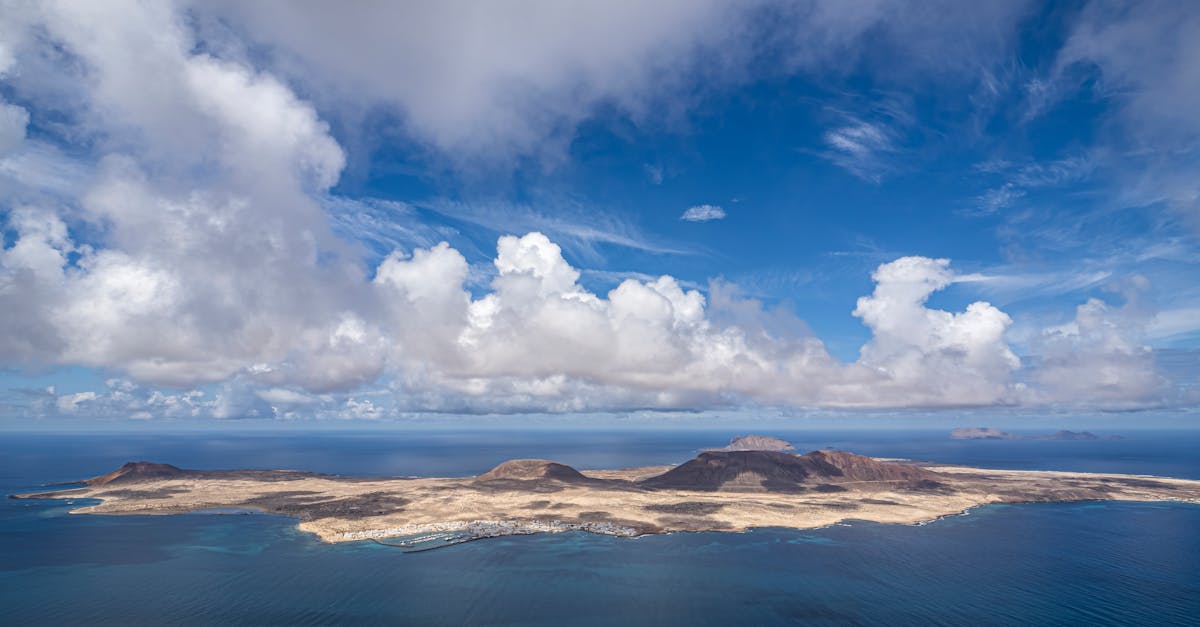 This photo was taken by Marian Florinel Condruz on Pexels.
Welcome to the sun-drenched heart of the Mediterranean and the Atlantic! As your local guide, I am thrilled to invite you on a journey through Spain's most enchanting archipelagos: the Balearic Islands in the east and the Canary Islands in the west. Whether you are drawn to the turquoise coves and vibrant nightlife of Mallorca and Ibiza or the dramatic volcanic landscapes and eternal spring of Tenerife and Gran Canaria, this guide is your passport to paradise. We will explore pristine beaches that rival any postcard, uncover hidden volcanic wonders, and help you craft the perfect ferry routes to ensure your island-hopping adventure is nothing short of magical. Get ready to pack your bags and set sail for an unforgettable Spanish experience.
Discovering the Pristine Beaches of Mallorca and Ibiza
When island hopping through the Balearics, Mallorca and Ibiza offer a stunning contrast of pristine coastal beauty that goes far beyond their famous nightlife. In Mallorca, travelers can explore the secluded coves of the Tramuntana coast, such as Caló des Moro, where crystal-clear turquoise waters lap against white pebbles framed by dramatic limestone cliffs. These hidden gems provide a serene escape for snorkeling and swimming in some of the Mediterranean's most inviting seas. Similarly, Ibiza is renowned for its golden sands and vibrant marine life; beaches like Ses Salines and Cala Comte not only boast breathtaking sunsets but also feature shallow, calm waters perfect for families seeking a relaxing day under the warm Spanish sun.
The allure of these islands lies in their ability to cater to every type of beach lover, from the adventurous to the tranquil seeker. Whether you are gliding across the azure waters of Es Vedrà's shores or discovering the rugged charm of Mallorca's Es Trenc, the coastline offers an idyllic backdrop for unwinding after days of cultural exploration. With numerous protected natural parks ensuring the preservation of their ecological integrity, these beaches remain unspoiled sanctuaries. As you navigate between these two iconic destinations, remember that the best time to visit is during the shoulder seasons, allowing you to enjoy the pristine sands without the peak summer crowds while still basking in the region's legendary climate.
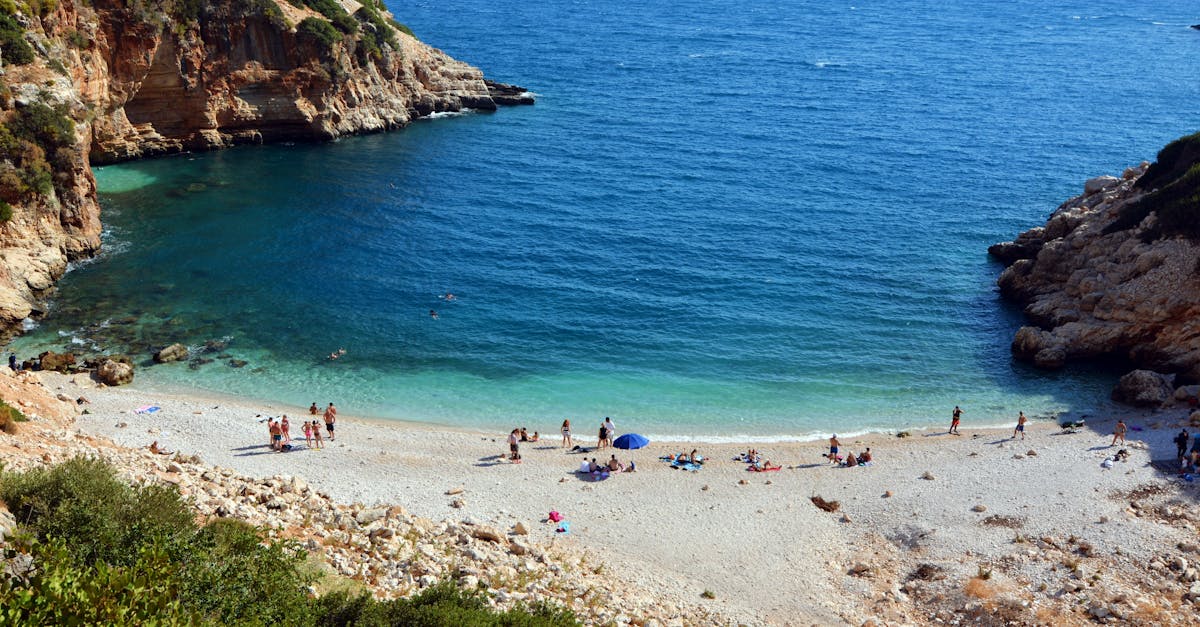 This photo was taken by Yavuz Solgun on Pexels.
Volcanic Wonders and Year-Round Sunshine in the Canaries
While the Balearics are famous for their crystalline turquoise waters, the Canary Islands offer a dramatic geological contrast with their volcanic origins that create some of Europe's most breathtaking landscapes. Visitors can trek across the otherworldly terrain of Timanfaya National Park in Lanzarote, where the earth still smolders beneath black lava fields shaped by ancient eruptions, or ascend the towering peak of Teide in Tenerife, Spain's highest mountain and a UNESCO World Heritage site that offers snow-capped views even in summer. These unique volcanic soils have given rise to distinct microclimates and vineyards, allowing you to sip local Malvasía wine while surrounded by stark, moon-like scenery that feels worlds away from the Mediterranean coast.Beyond the striking geology, the archipelago boasts a climate so consistent it is often called the "Land of Eternal Spring," making it a premier year-round destination regardless of the season. With average temperatures hovering between 20°C and 25°C (68°F-77°F) throughout the winter months, the Canaries provide a warm escape when much of continental Europe is shrouded in cold, all while receiving over 3,000 hours of sunshine annually. This reliable warmth invites travelers to explore rugged coastal cliffs, relax on golden volcanic sands like those at Playa de las Américas, or dive into clear Atlantic waters teeming with marine life, ensuring that every day spent island hopping here is bathed in perfect, sun-drenched weather.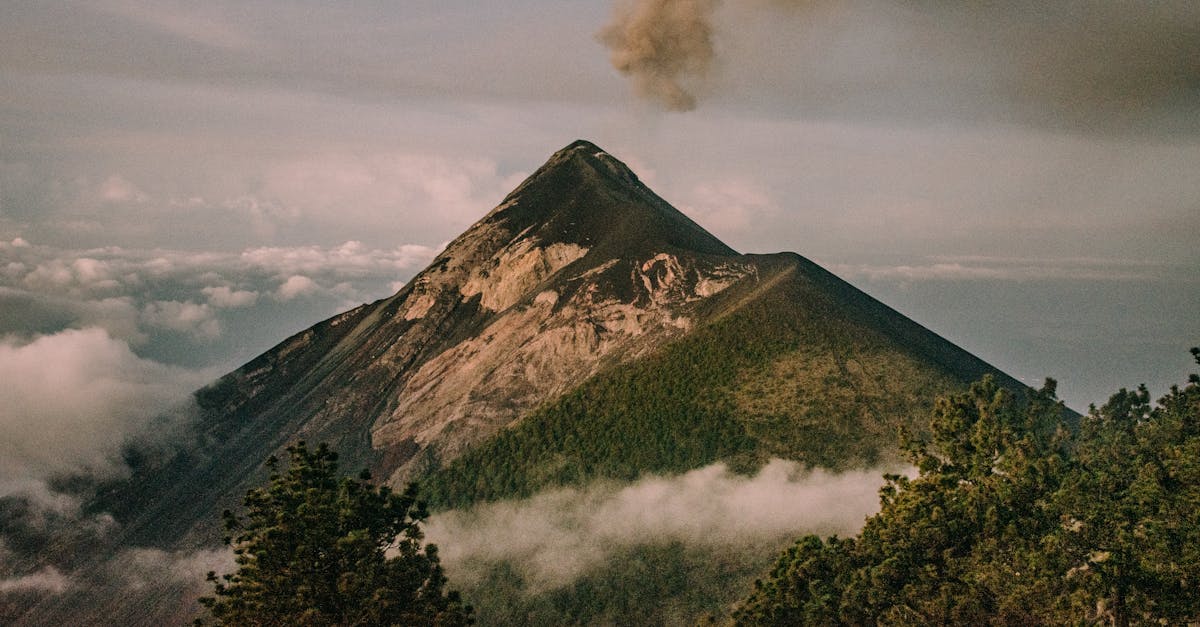 This photo was taken by Jorge Acre on Pexels.
Planning Your Perfect Ferry Routes and Island Itineraries
Navigating the turquoise waters between Spain's island paradises begins with choosing the right ferry operator and route, as companies like Balearia and Naviera Armas offer frequent connections tailored to different travel speeds. For the Balearic Islands, the main hub of Palma de Mallorca serves as the perfect launching pad for day trips to Menorca or Ibiza, while the Canary Islands require a slightly longer commitment where overnight ferries from Santa Cruz de Tenerife can whisk you away to the volcanic landscapes of La Gomera or El Hierro. It is essential to book your tickets well in advance during the peak summer months, especially for high-speed catamarans that reduce travel time significantly, allowing you to maximize your daylight hours exploring hidden coves rather than waiting at the port.
Once aboard, crafting an itinerary that balances relaxation with adventure is key to unlocking the true spirit of these archipelagos; consider dedicating three days to each major island to avoid feeling rushed, perhaps starting with the bustling beaches of Gran Canaria before drifting to the serene, nature-rich shores of Fuerteventura. In the Balearics, a strategic loop might involve spending two nights in Valencia before crossing to Formentera for its pristine white sands, then returning to the historic charm of Ibiza Town for evening dining before heading back to the mainland. By aligning your ferry schedules with local festivals or seasonal weather patterns, such as the mild winters of the Canaries or the vibrant summer atmosphere of the Baleares, you ensure a seamless journey where every stop feels like a carefully curated chapter of your Spanish escape.
 This photo was taken by Lara Jameson on Pexels.