History Unveiled: Visiting Spain's Ancient Castles and Ruins
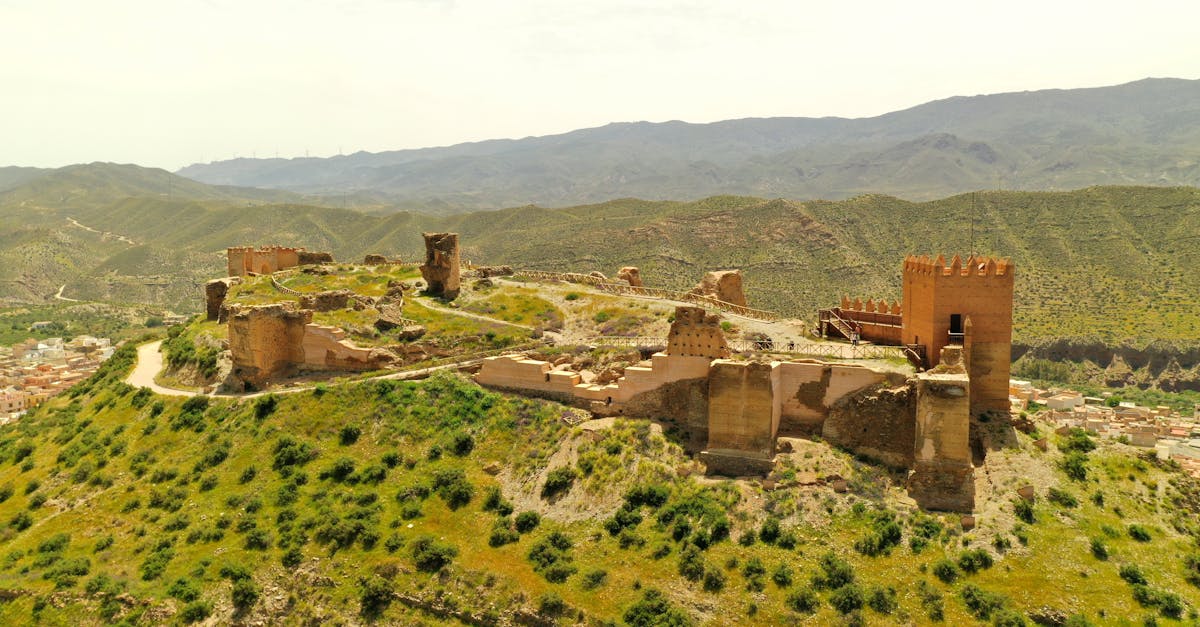 This photo was taken by Manolo García García on Pexels.
Welcome to the heart of Spain, a land where every stone whispers tales of empires risen and fallen. As your local guide, I invite you on a captivating journey through time, stepping beyond the vibrant modern cities to uncover the silent giants that have stood watch over our peninsula for centuries. From the intricate stucco work of Moorish palaces to the weathered stones of Roman fortresses, Spain's landscape is a living museum waiting to be explored. In this post, we will delve into the architectural marvels of the Alhambra and Alcázar, trace the footsteps of Roman legions and medieval knights across ancient battlefields, and venture off the beaten path to discover forgotten ruins hidden in the most enchanting corners of our country. Prepare to have history unveiled before your very eyes.
The Moorish Masters: Exploring the Alhambra and Alcázar
Step into a world where stone whispers tales of emperors and poets as you wander through the intricate corridors of the Alhambra in Granada, the crowning jewel of Moorish architecture in Europe. This sprawling palace-fortress complex is a mesmerizing tapestry of horseshoe arches, muqarnas ceilings, and serene courtyards like the Court of the Lions, where water dances over marble basins under the gaze of carved cedar wood. As you trace the faded geometric patterns on the walls, you will feel the lingering spirit of the Nasrid dynasty, who crafted this desert paradise against the backdrop of the Sierra Nevada mountains, creating an oasis that has inspired artists and dreamers for centuries.
Journey north to Seville to discover the Alcázar, another masterpiece of Mudéjar art that seamlessly blends Islamic design with Christian influences following the Reconquista. The Royal Palace of the Alcázar offers a labyrinthine experience of lush gardens filled with orange trees, hidden fountains, and breathtaking halls adorned with hand-painted tiles and gold-leaf details that shimmer in the Andalusian sun. Unlike many ruins that stand silent, the Alcázar remains a living monument, still serving as a royal residence, allowing visitors to walk alongside history in spaces that have hosted kings, queens, and even fictional royalty, making it one of the most enchanting and well-preserved medieval palaces in the entire Iberian Peninsula.
 This photo was taken by Erik Mclean on Pexels.
From Roman Legions to Medieval Knights: A Journey Through Time
Step into the footsteps of history as you wander through the stone corridors where Roman legions once marched to secure the Iberian Peninsula, leaving behind enduring aqueducts like those in Segovia and sprawling amphitheaters that still echo with the cheers of ancient crowds. These monumental remnants serve as the bedrock upon which Spain's rich tapestry was woven, offering a tangible connection to an empire that shaped the very landscape we explore today. As you trace the weathered lines of Roman roads that stretch across the countryside, you can almost hear the clatter of sandals on cobblestones, bridging the gap between the grandeur of antiquity and the vibrant present of modern Spanish life.
From these classical foundations, the narrative shifts dramatically to the soaring silhouettes of medieval knights guarding their domains against the shifting tides of conquest and faith. Venture into the imposing fortresses of Toledo or the majestic Alcázar of Segovia, where thick walls and narrow battlements whisper tales of chivalry, sieges, and the intricate dance of power during the Reconquista. Each castle stands as a sentinel of a bygone era, inviting travelers to imagine the clang of swords and the flutter of heraldic banners, transforming a simple visit into a vivid journey through time where the past is not merely observed but felt in every archway and courtyard.
 This photo was taken by Matej on Pexels.
Hidden Gems: Discovering Spain's Forgotten Ruins
While the grandeur of Alhambra and the majestic silhouette of the Alcázar of Segovia draw millions, Spain's true historical soul often lies in its forgotten ruins, waiting for the intrepid traveler to uncover them. Venture off the beaten path to the remote peaks of the Pyrenees or the sun-drenched hills of Extremadura, where crumbling Roman aqueducts stand as silent sentinels over villages that time seems to have skipped. These lesser-known sites, such as the ancient Moorish fortress of Peñíscola's smaller cousins or the eerie, wind-swept remnants of Visigothic settlements, offer an intimate connection to the past without the crowds. Here, you can trace the footsteps of medieval knights and Roman legions in a landscape where nature is slowly reclaiming history, creating a hauntingly beautiful atmosphere perfect for contemplation and photography.
Exploring these hidden gems requires a bit of curiosity and a willingness to wander down unpaved roads, but the rewards are immeasurable. Imagine standing alone within the shadowed arches of a 12th-century monastery in Galicia, listening only to the rustling of olive trees and the distant cry of a hawk, or walking through the labyrinthine streets of a deserted Castilian village where stone walls whisper tales of sieges long forgotten. Many of these ruins are part of unofficial heritage trails, offering local guides who can share oral histories that never made it into the guidebooks. By choosing these obscure destinations, you not only support the preservation of Spain's diverse architectural legacy but also experience the authentic, unpolished magic of a country where every stone holds a story waiting to be told.
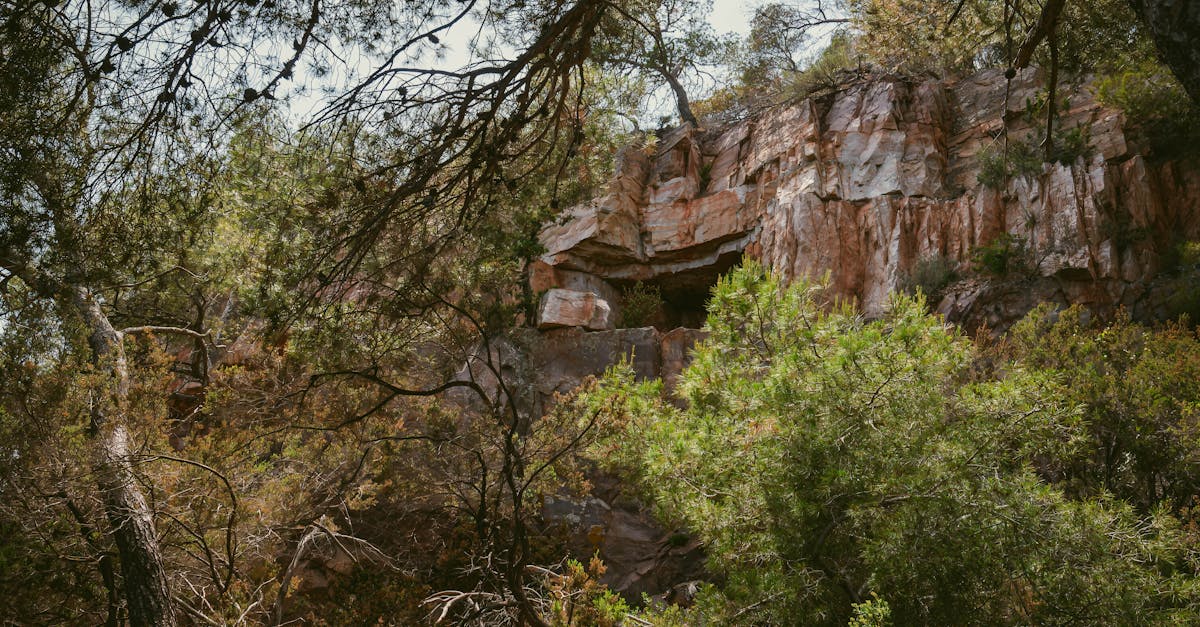 This photo was taken by Jean-Philippe Canto on Pexels.