History Comes Alive: Exploring Spain's Ancient Castles and Roman Ruins
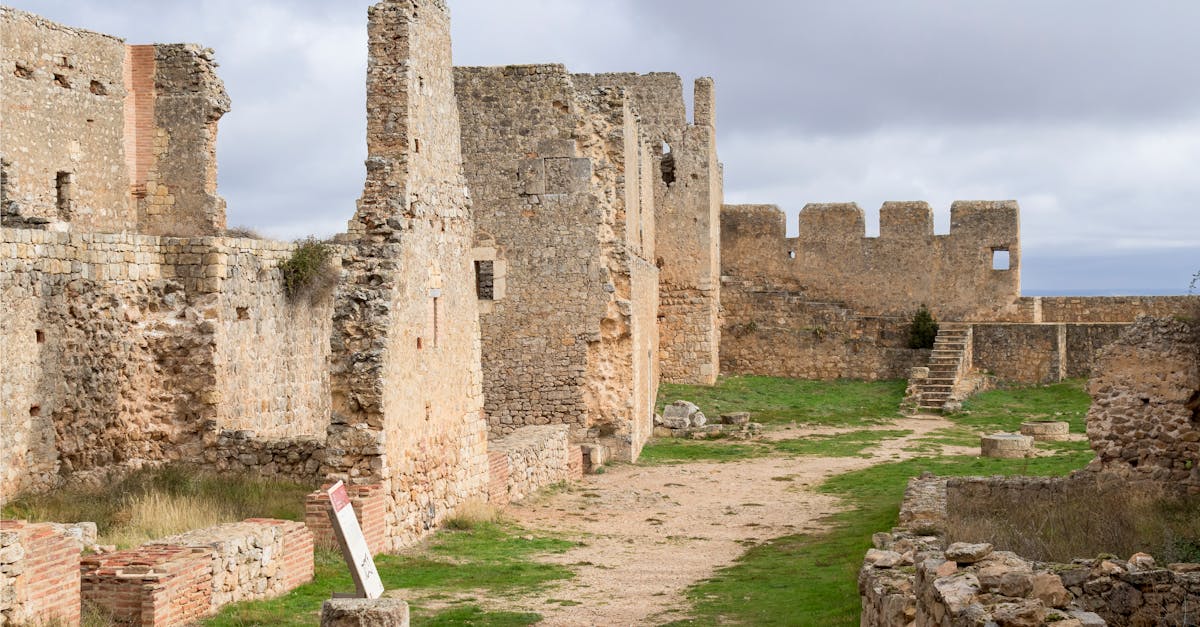 This photo was taken by pierre rivero on Pexels.
Welcome to the heart of Spain, where every stone whispers a tale of empires risen and fallen. As your local guide, I invite you on a journey through time to discover a landscape where history is not merely studied in books but felt underfoot. From the soaring towers of Moorish fortresses that once guarded the southern frontier to the imposing medieval strongholds that dot our dramatic hillsides, Spain's architecture tells a story of resilience and cultural fusion. Venture further back still, walking among the weathered stones of ancient Roman ruins that laid the foundations of modern civilization across our diverse regions. In this post, we will uncover the legends and human stories behind these historic sites, proving that here, the past truly comes alive.
From Moorish Fortresses to Medieval Strongholds
As you wander through the sun-drenched landscapes of Andalusia, the shadow of Moorish fortresses stretches across the horizon, whispering tales of a sophisticated civilization that once ruled these southern lands. The Alhambra in Granada stands as the crown jewel of this era, where intricate stucco work and serene courtyards blend seamlessly with the rugged Sierra Nevada mountains, offering a glimpse into the opulent lives of sultans and scholars. Travelers often find themselves mesmerized by the labyrinthine pathways of the Alcázar of Seville or the imposing silhouette of the Alcazaba in Málaga, structures that not only served as defensive bastions but also as centers of art and science during the Islamic Golden Age.
Moving northward, the architectural narrative shifts dramatically to the stone giants of Medieval Spain, where Christian kingdoms forged their destiny against the backdrop of the Reconquista. Here, in regions like Castile and Aragon, massive strongholds such as the Castillo de Coca and the majestic walls of Ávila rise from the earth, testifying to an age of chivalry, sieges, and royal power. These formidable fortresses, with their towering keep towers and deep moats, were designed to withstand centuries of conflict, yet today they invite visitors to step back in time, imagining the clashing of swords and the rustle of silk within their hallowed halls while exploring the rich tapestry of Spanish history that continues to shape its cultural identity.
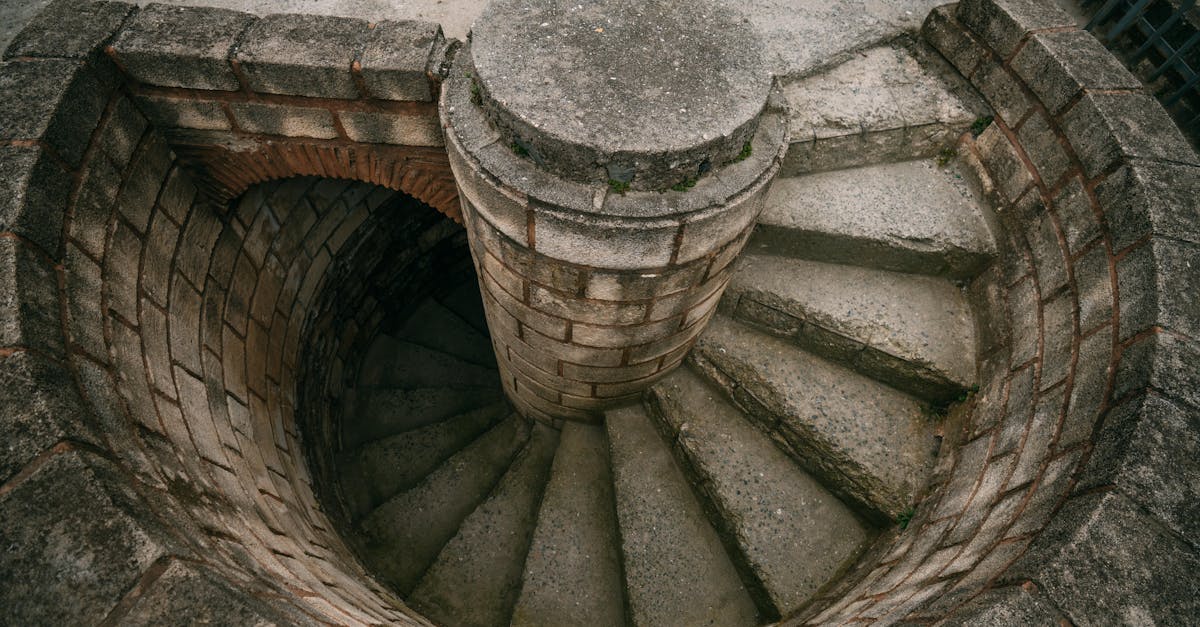 This photo was taken by Sami TÜRK on Pexels.
Walking Among the Stones of Ancient Rome
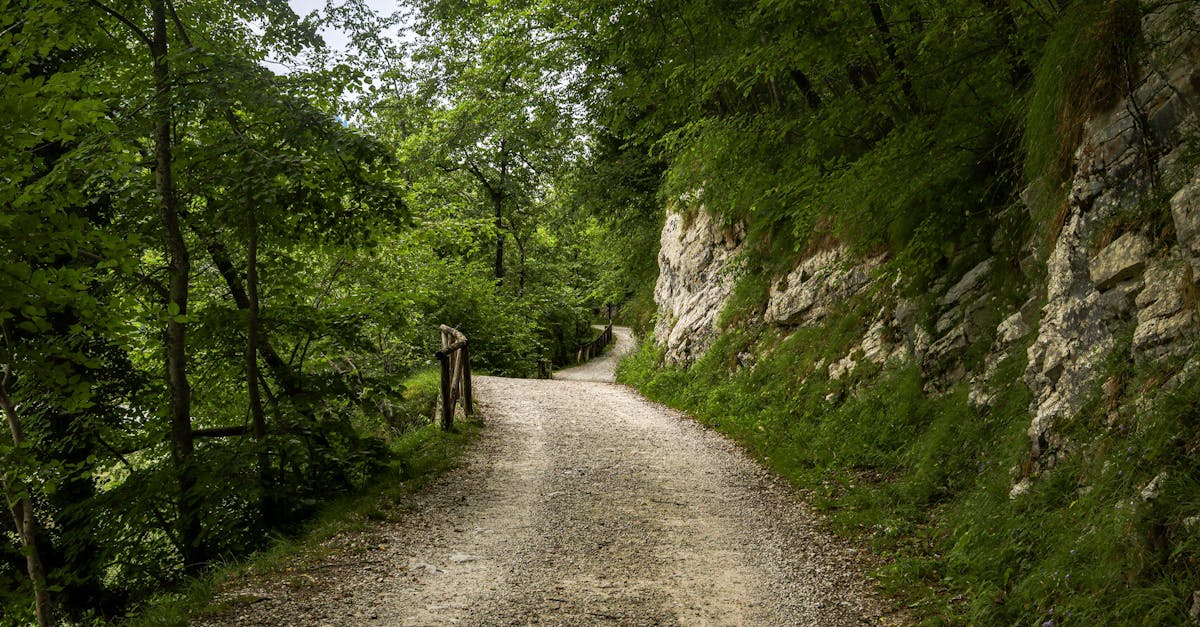 This photo was taken by Lorenza Magnaghi on Pexels.
Preserving Legends: The Stories Behind Spain's Historic Sites
Stepping into the stone corridors of Spain's ancient castles and Roman ruins is less like a history lesson and more like walking through a living tapestry woven from centuries of triumph, tragedy, and myth. From the imposing silhouette of the Alhambra in Granada to the crumbling arches of Mérida's amphitheater, every weathered brick whispers tales of Moorish kings, Roman legions, and medieval knights who once called these places home. As you trace the intricate stonework or imagine the grand spectacles that once filled these arenas, you realize that these structures are not merely relics of the past but enduring vessels of local folklore that have survived wars, earthquakes, and the relentless passage of time.
What truly brings these historic sites to life, however, are the legends passed down through generations by the very communities that surround them. In the shadow of the Alcázar of Segovia, guides often recount stories of mythical founders and royal conspiracies, while at the Temple of Diana in Évora, locals share eerie accounts of spirits guarding the sacred stones. By engaging with these narratives, visitors transform from passive observers into active participants in Spain's ongoing story, gaining a deeper appreciation for how the country preserves its cultural identity. Whether it is a ghostly apparition seen in a castle tower or a forgotten ritual reenacted during a summer festival, these stories ensure that the spirit of Spain's ancient heritage remains vibrant and accessible to all who wander its historic paths.
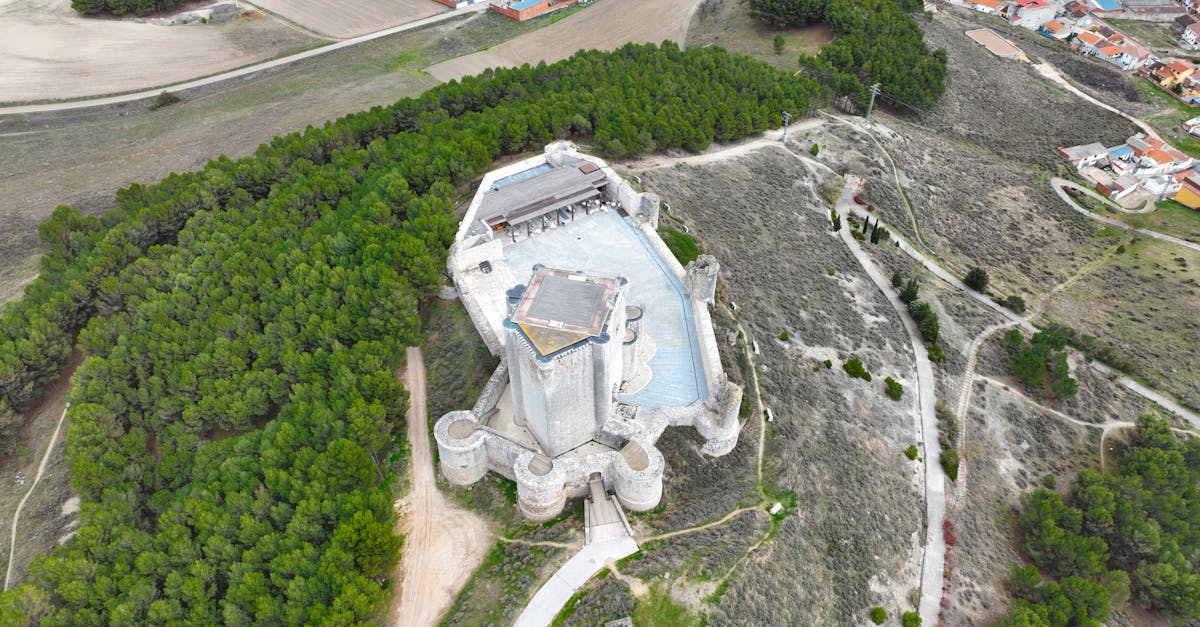 This photo was taken by Mike Art 🎥 Visual Creator | Photography and Video 📸 on Pexels.