History Buffs' Paradise: Walking Through Ancient Roman Ruins
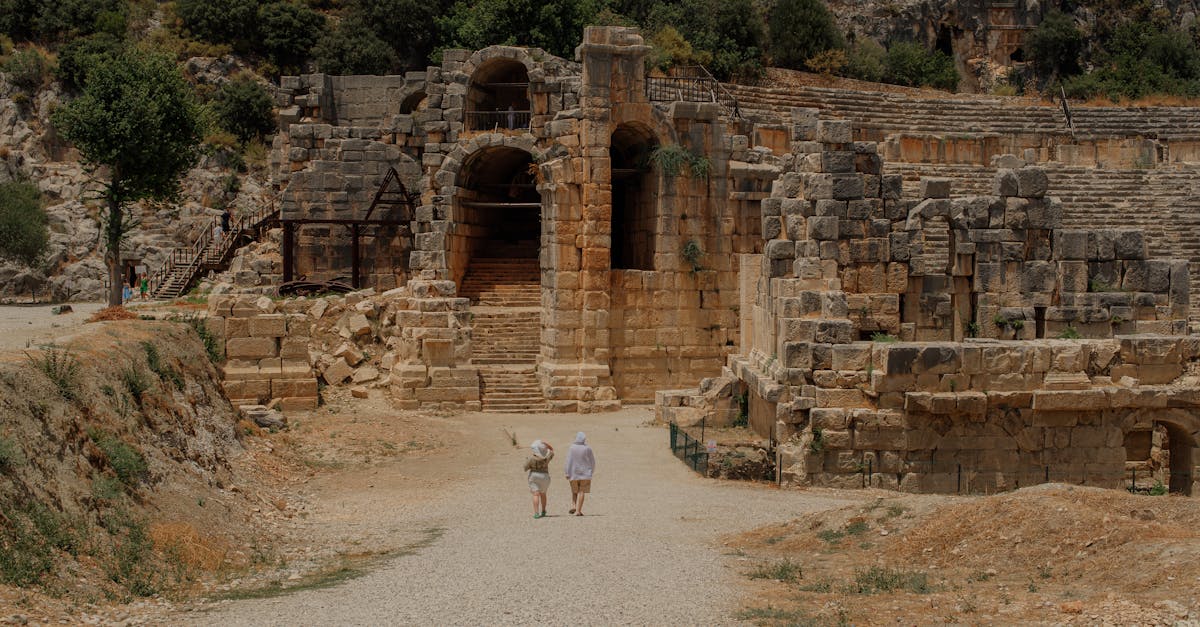 This photo was taken by Anastasia Lashkevich on Pexels.
¡Hola, travelers! Welcome to a journey where every cobblestone whispers tales of emperors and legions. If your heart beats faster at the sight of crumbling columns or you dream of tracing the footsteps of ancient Romans, Spain is your ultimate destination. From the sun-drenched cliffs of Tarragona to the meticulously preserved streets of Mérida, our Iberian peninsula offers an unparalleled window into the past. In this post, we will guide you through these open-air museums, exploring how engineering marvels like aqueducts still stand tall today, proving that while empires may fall, their legacy remains forever etched in stone.
Tarragona: A Time Capsule on the Mediterranean Coast
Tarragona: A Time Capsule on the Mediterranean Coast
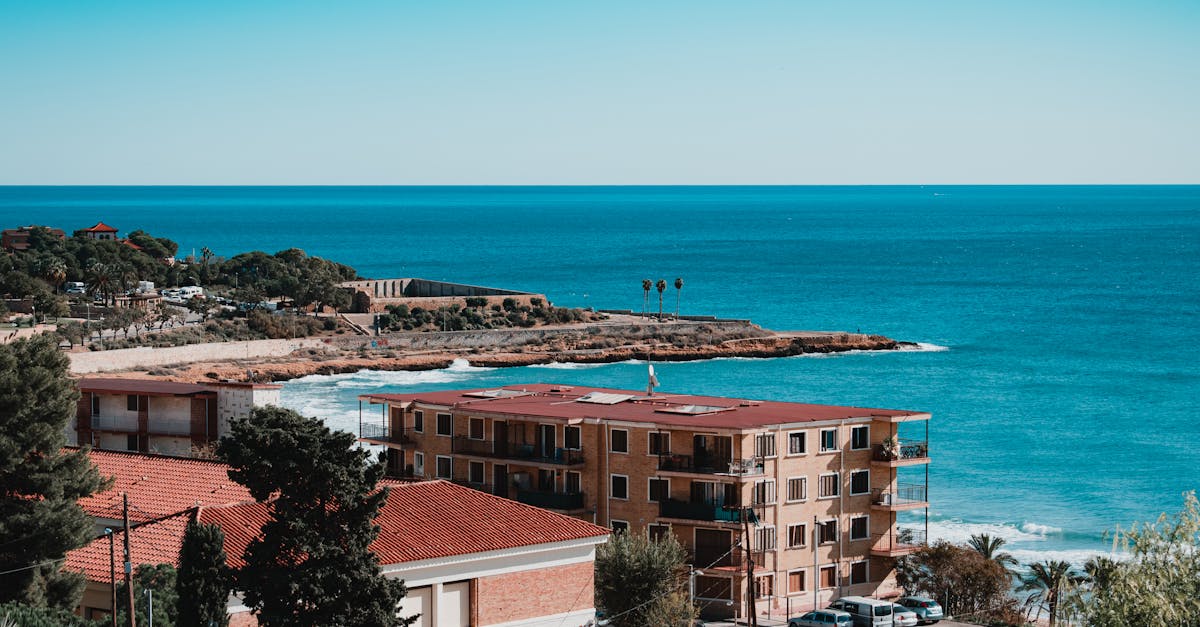
Stepping into Tarragona feels less like visiting a modern city and more like entering a living museum where the layers of history are etched directly into the landscape. As one of the most important Roman settlements in the Iberian Peninsula, known as Tarraco, it proudly displays an unparalleled concentration of archaeological sites that have been preserved under UNESCO protection. You can walk along the ancient Via Augusta, trace the path of the Roman aqueduct still standing tall against the sky, and gaze upon the amphitheater where gladiators once fought, all while the salty breeze from the Mediterranean Sea whispers tales of emperors and merchants from two millennia ago.
Beyond the monumental ruins, the city offers a seamless blend of imperial grandeur and coastal charm that captivates every history enthusiast. After exploring the towering walls that once protected the colony or climbing to the top of the circus for panoramic views of the sea, visitors can retreat to the narrow, winding streets of the historic center, where medieval architecture sits comfortably alongside Roman foundations. Whether you are tracing the footsteps of Saint Paul or simply enjoying a sunset over the ruins with a glass of local Priorat wine, Tarragona provides an immersive journey through time that is both educational and profoundly romantic.
 This photo was taken by Santiago Boada on Pexels.
Mérida: The Roman City That Never Sleeps
Step into the timeless embrace of Mérida, a city where the grandeur of ancient Rome is not merely preserved but vibrantly alive in the daily rhythm of its streets. As you wander through this UNESCO World Heritage site, the Teatro Romano and the majestic Amphitheatre stand as silent sentinels, their stone arches echoing with the ghosts of gladiators and actors from two millennia ago. Yet, unlike many archaeological parks that feel frozen in time, Mérida pulses with modern life; locals sip coffee just meters away from the Temple of Diana, and families picnic on the grassy slopes of the Roman Bridge while the Guadiana River flows beneath them, exactly as it did for the legionaries who first built this capital of Lusitania.
The magic of Mérida truly unfolds as the sun begins to set, casting a golden hue over the ruins and transforming the city into an open-air museum that never truly sleeps. The evening brings a unique atmosphere where the cool shadows of the Colosseum provide a dramatic backdrop for summer festivals and classical concerts, blending historical reverence with contemporary celebration. Whether you are tracing the intricate mosaics of the National Museum of Roman Art or simply enjoying a tapas dinner under the starlit sky near the theater, you will find that Mérida offers history buffs an immersive experience that bridges the gap between the past and present, proving that the legacy of the Eternal City still beats strong in the heart of Extremadura.
 This photo was taken by Alejandro Aznar on Pexels.
From Amphitheaters to Aqueducts: Engineering Marvels Across Spain
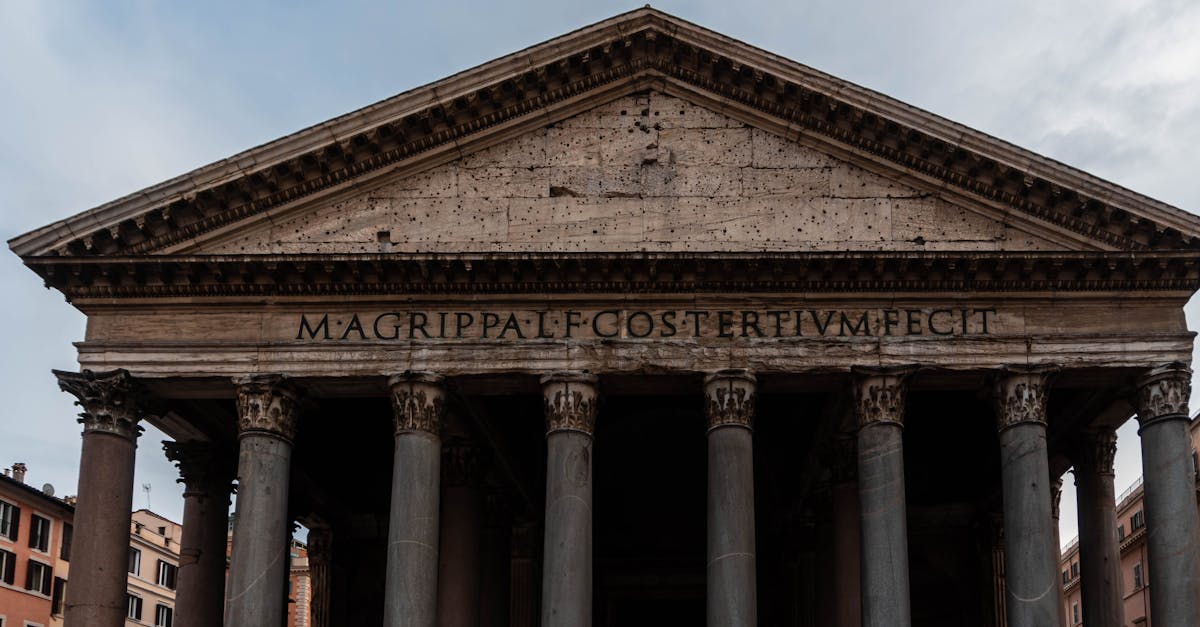
As you wander through the sun-drenched landscapes of Spain, you will quickly discover that this nation is an open-air museum where Roman engineering prowess remains remarkably intact. In Tarragona, the towering amphitheater stands as a testament to the empire's grandeur, its weathered stone arches once echoing with the roar of thousands witnessing gladiatorial combat and naval battles. Just a short distance away in Mérida, the Teatro Romano offers a similarly breathtaking glimpse into the past, perfectly preserved within a modern cityscape. These structures were not merely places of entertainment but sophisticated feats of architecture designed to withstand the test of time, utilizing advanced techniques in acoustics and load-bearing distribution that continue to astound engineers and tourists alike.
Beyond the arenas of spectacle, Spain boasts some of the most impressive hydraulic and transport infrastructure left behind by the Romans, most notably the magnificent aqueducts. The Aqueduct of Segovia, rising dramatically against the skyline without a single drop of mortar, remains one of the best-preserved monuments of its kind in the world, channeling water from distant mountains with a precision that defies belief after nearly two millennia. Similarly, the bridge at Córdoba spans the Guadalquivir River, blending Roman durability with later Islamic modifications to create a unique historical tapestry. Walking across these ancient stones allows history enthusiasts to physically connect with the ingenuity of a civilization that shaped the very foundations of modern European travel and urban planning.
 This photo was taken by Selmani Farız on Pexels.