History Buffs' Paradise: Exploring Moorish Castles and Roman Ruins
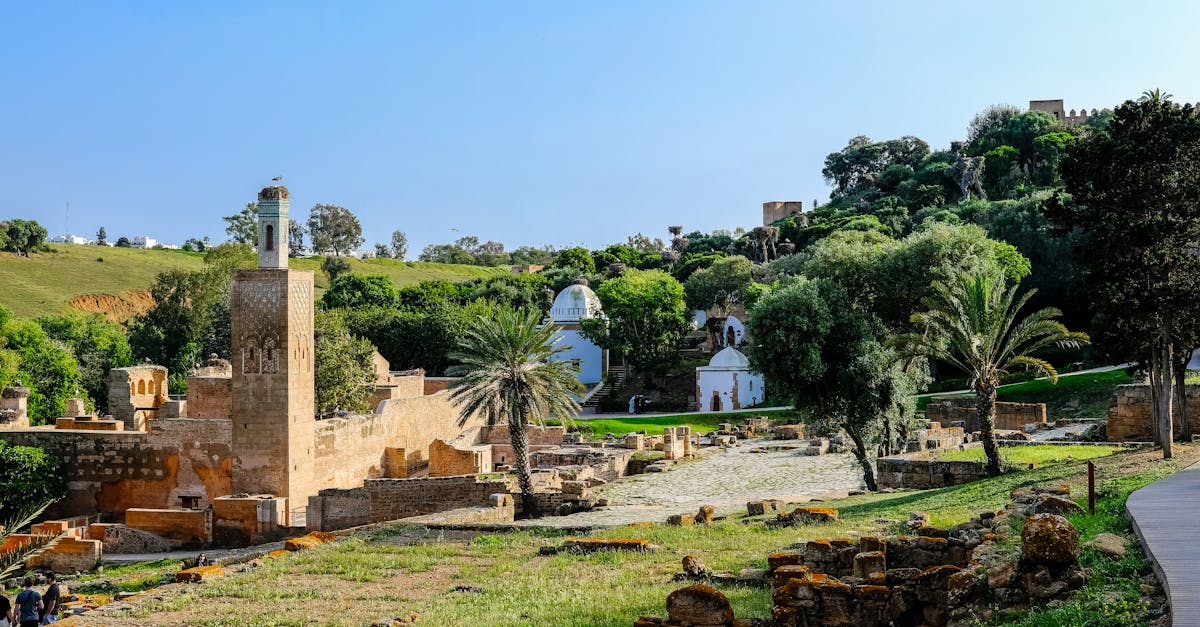 This photo was taken by MAG Photography on Pexels.
Welcome, travelers, to a journey through the very soul of Spain! As your local guide, I invite you to step back in time on an adventure where ancient stones whisper tales of empires past and architectural marvels stand as testaments to centuries of human ingenuity. From the intricate tilework and soaring arches that define our Moorish legacy to the enduring strength of Roman aqueducts and amphitheaters scattered across the peninsula, Spain offers a unique timeline frozen in stone. In this post, we will delve into the majestic Alhambra, wander through the echoes of Rome's empire, and explore the fascinating cultural fusion where East meets West. Prepare to be enchanted by a history that is not just studied, but lived.
The Majestic Alhambra: A Symphony of Moorish Architecture
Nestled upon the hills of Granada, the Alhambra stands as a breathtaking testament to over eight centuries of Moorish rule, where every stone whispers tales of the Nasrid dynasty. As you wander through its intricate courtyards, such as the serene Patio de los Leones, you are immersed in a world where water dances beneath arches adorned with delicate stucco carvings and geometric patterns that seem to defy gravity. The interplay of light filtering through the latticed windows creates a mesmerizing dance on the walls, highlighting the exquisite calligraphy that praises Allah and celebrates the beauty of paradise, making this palace complex not just a fortress, but a living poem carved in stone.
Beyond its visual splendor, the Alhambra offers a profound journey into the heart of Islamic artistry and engineering, showcasing how nature and architecture were harmoniously blended to create a sanctuary of peace. The Generalife gardens, once the summer retreat for the sultans, invite visitors to lose themselves in fragrant orange blossoms and flowing fountains that cool the air while symbolizing the rivers of paradise described in ancient texts. For history enthusiasts, standing within these walls is an unparalleled experience, allowing one to trace the evolution of a civilization that left an indelible mark on Spanish culture, proving that the legacy of the Moors remains vibrantly alive in the very fabric of this majestic monument.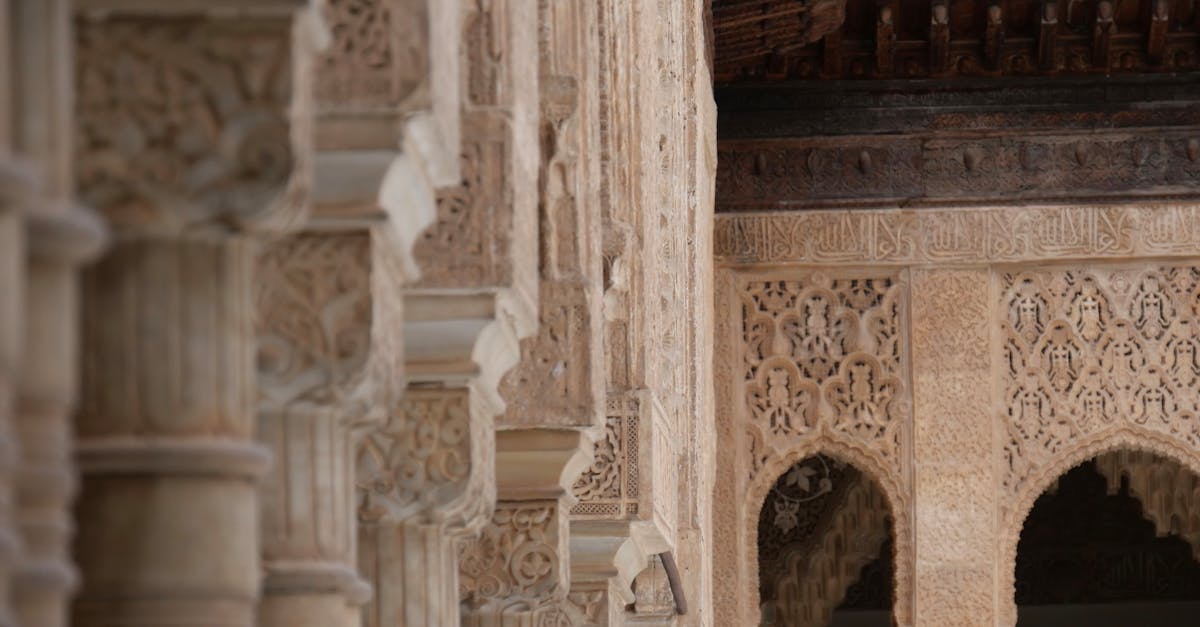 This photo was taken by Dirk Pothen on Pexels.
Echoes of Empire: Walking Among Rome's Ancient Ruins
 This photo was taken by Erik Mclean on Pexels.
Where East Meets West: The Unique Cultural Fusion of Spanish Heritage
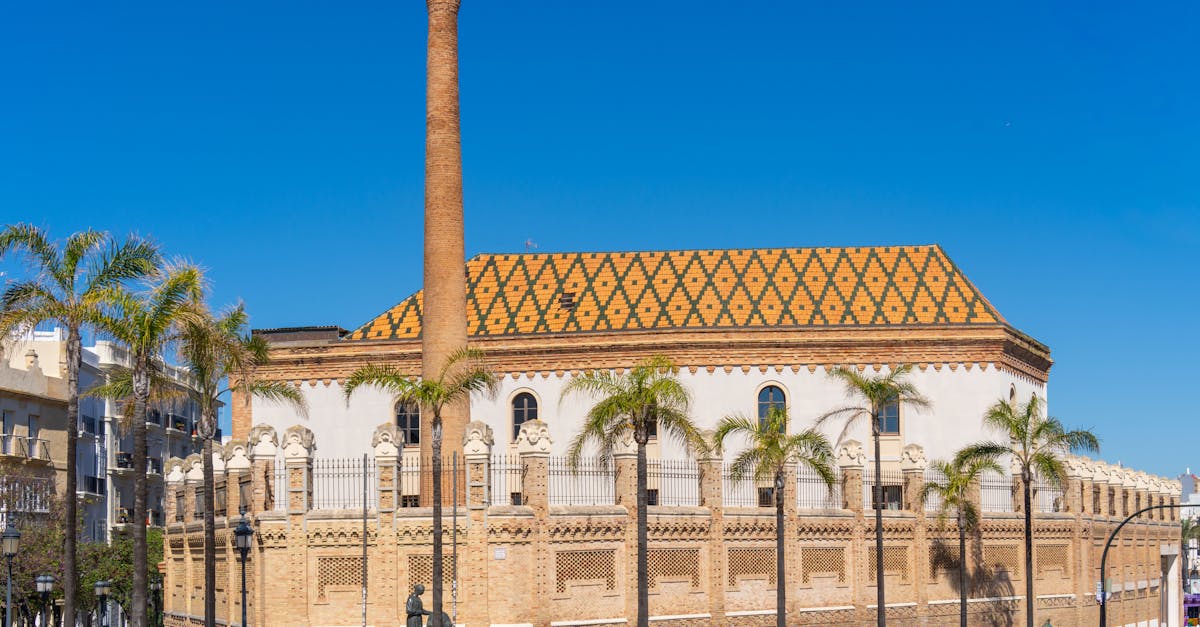
Stepping into the heart of Spain is like walking through a living timeline where the sun-drenched stones whisper stories of empires past, creating a seamless tapestry woven from both Eastern and Western threads. In cities like Granada and Córdoba, you will find yourself standing beneath arches that echo the intricate geometry of Islamic art, only to look up and see Christian spires piercing the same sky, a visual testament to centuries of coexistence and conflict. This unique fusion is most palpable in the Mudéjar style, an architectural marvel born when Moorish craftsmen continued their work under Christian rule, blending delicate stucco work and horseshoe arches with Gothic and Renaissance structures to create a heritage that is distinctly Spanish yet universally fascinating.
For the history enthusiast, this cultural convergence offers more than just aesthetic beauty; it provides a profound understanding of how diverse civilizations shaped the modern identity of the Iberian Peninsula. From the labyrinthine alleys of the Albayzín district in Granada, where the call to prayer once mingled with church bells, to the Roman aqueducts of Segovia standing as silent sentinels over medieval towns, every corner reveals layers of human achievement. As you explore these sites, you are not merely observing ruins but engaging with a dialogue between East and West that has defined Spanish culture for millennia, making your journey here an immersive lesson in the resilience and adaptability of the human spirit.
 This photo was taken by Emilio Sánchez Hernández on Pexels.