History Buffs' Paradise: Castles, Moors, and Roman Ruins
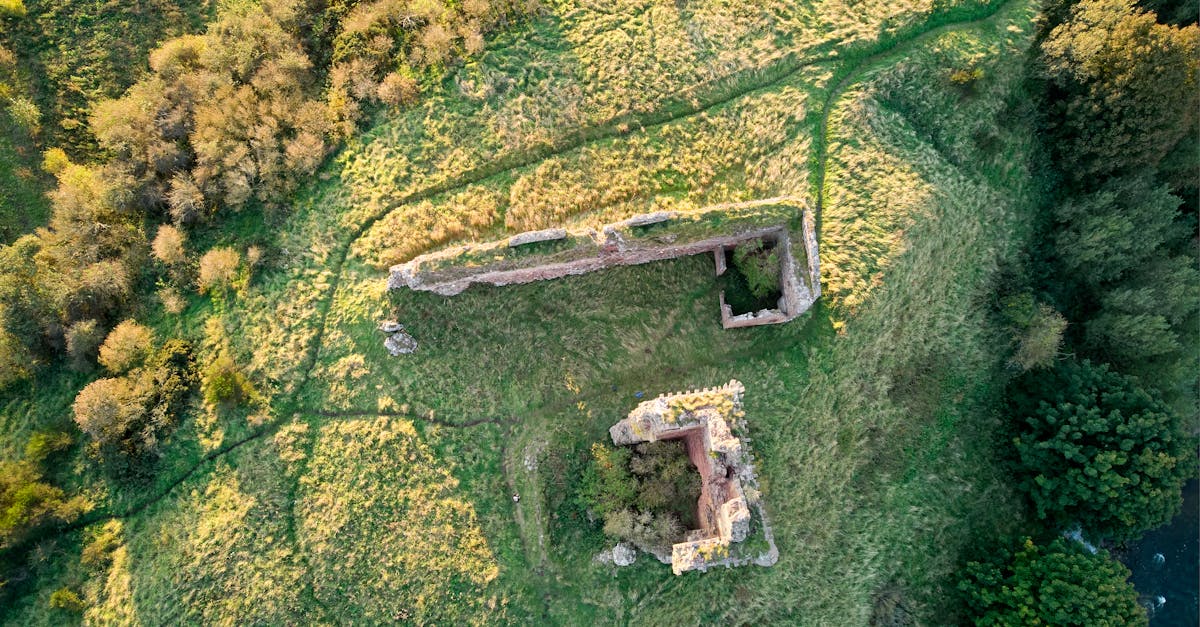 This photo was taken by Valentine Kulikov on Pexels.
Welcome to the heart of Spain, a land where every stone whispers tales of empires past and civilizations that shaped our world. If you are a history enthusiast seeking an immersive journey through time, you have arrived at your ultimate destination. From the intricate geometric mosaics of Moorish palaces to the enduring grandeur of Roman engineering and the imposing silhouettes of medieval fortresses, Spain offers a unique tapestry of heritage that spans over two millennia. In this post, we will explore three distinct chapters of this magnificent story: the artistic brilliance left by the Moors in Andalusia, the architectural marvels that define Roman influence across the peninsula, and the legendary castles that stand as silent guardians of the Middle Ages. Prepare your walking shoes and your curiosity, for we are about to embark on a fascinating adventure through Spain's most captivating historical landscapes.
The Moorish Legacy: From the Alhambra to the Alcázar
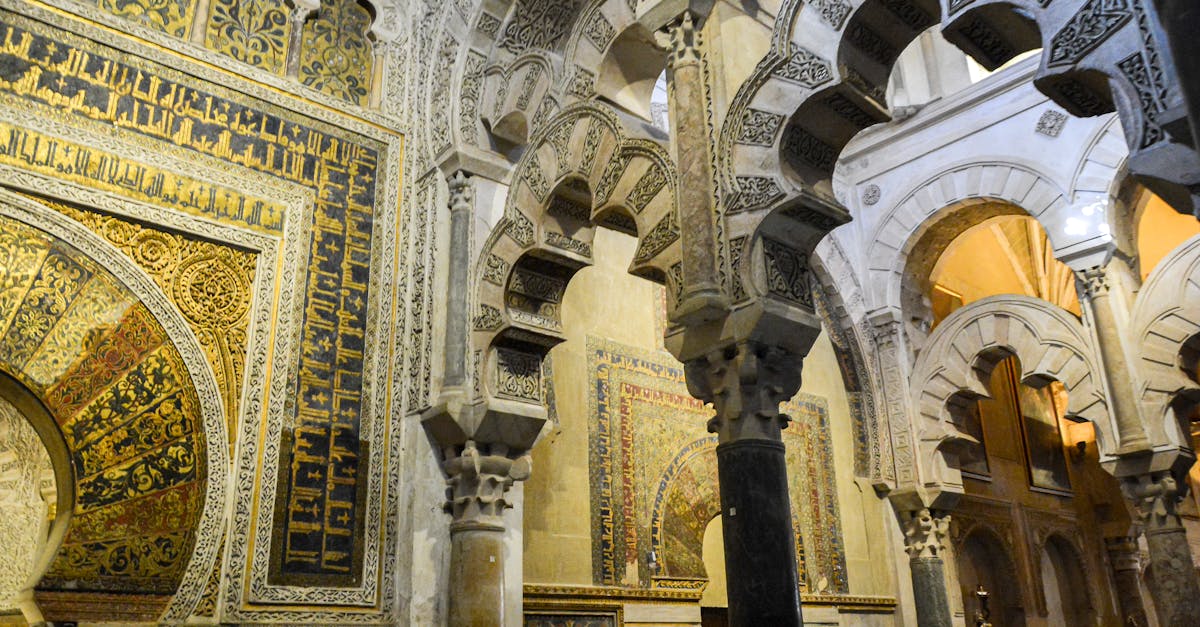
Stepping into the heart of Andalusia feels like traveling back to the golden age of Al-Andalus, where Islamic art and architecture reached their zenith. The Alhambra in Granada stands as the crown jewel of this era, a breathtaking fortress-palace complex where intricate stucco carvings, serene courtyards with reflecting pools, and the haunting melody of water create an atmosphere of timeless elegance. As you wander through the Generalife gardens or gaze upon the Lion's Court, you are witnessing a masterclass in geometric precision and floral motifs that define Moorish aesthetics, offering history enthusiasts a tangible connection to a civilization that once ruled the Iberian Peninsula for centuries.
Continuing north to Seville, the Alcázar offers another stunning chapter in this narrative, showcasing how the Mudéjar style seamlessly blended Islamic craftsmanship with Christian influences after the Reconquista. This royal palace is not merely a collection of stone walls but a living museum of ornate tilework (azulejos), towering arches, and lush, manicured gardens that inspired the famous Water Gardens in Game of Thrones. For those passionate about history, exploring these sites reveals a rich tapestry of cultural fusion, proving that Spain's landscape is a unique open-air gallery where the legacy of the Moors remains vividly preserved alongside Roman ruins and medieval castles.
 This photo was taken by Jose Luis Vanasco on Pexels.
Roman Echoes: Exploring Spain's Ancient Aqueducts and Amphitheaters
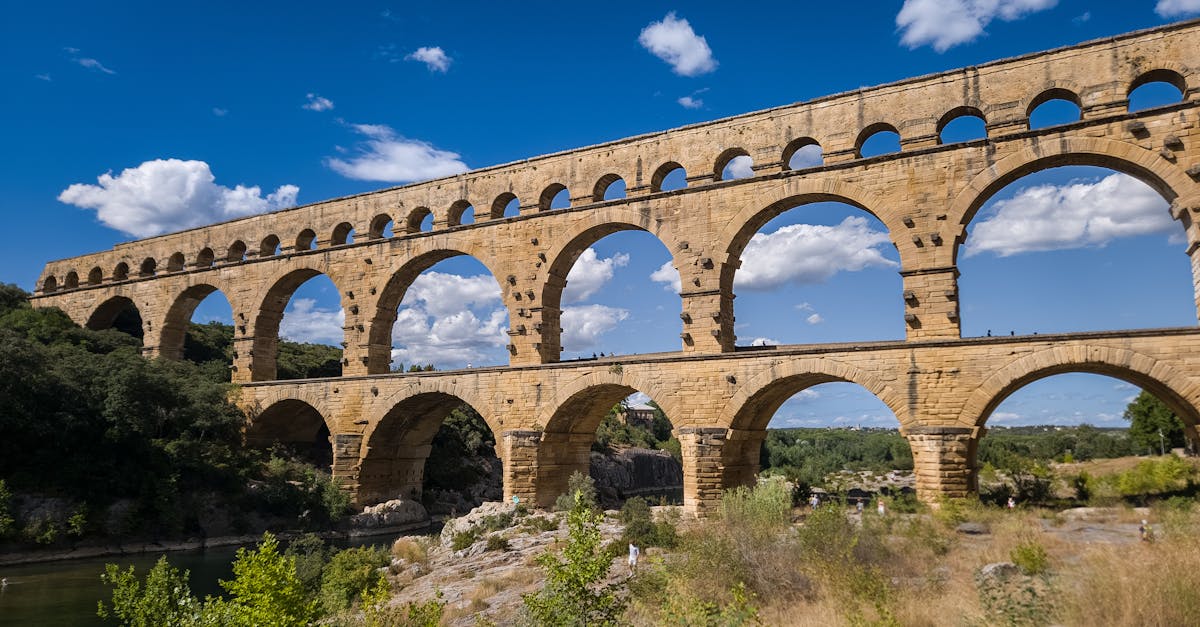
Step back into the grandeur of the Roman Empire as you traverse the rugged landscapes of Spain, where engineering marvels still stand as testaments to a bygone era. In Segovia, the majestic aqueduct cuts a striking silhouette against the sky, its towering arches carrying water across the valley with a precision that has baffled engineers for nearly two millennia. Just beyond the city gates in Mérida, the colossal amphitheater offers a hauntingly beautiful glimpse into the past, where spectators once gathered to witness gladiatorial contests and dramatic performances under the Iberian sun. Walking these stone corridors allows history buffs to feel the pulse of ancient Rome, transforming cold limestone blocks into vibrant scenes of daily life and imperial power.
Beyond the iconic structures, Spain's archaeological sites are dotted with lesser-known ruins that invite deeper exploration and quiet contemplation. From the well-preserved theater in Tarragona, overlooking the Mediterranean Sea, to the intricate mosaics hidden beneath the earth in Italica near Seville, each site reveals layers of cultural fusion between Roman traditions and local Iberian influences. These locations serve not merely as static monuments but as living classrooms where the echoes of chariot wheels and cheering crowds seem to reverberate through time. Whether you are tracing the footsteps of emperors or simply admiring the architectural ingenuity preserved in stone, these ancient aqueducts and amphitheaters offer an unparalleled journey through the foundational chapters of Spanish history.
 This photo was taken by Hub JACQU on Pexels.
Medieval Fortresses: A Journey Through Castles of Legend
Step back in time as you wander through the imposing stone walls of Spain's medieval fortresses, where the echoes of ancient battles still resonate against the rugged landscape. From the towering Alcázar of Segovia, with its fairy-tale silhouette rising above the city like a ship on an invisible sea, to the fortified palaces of Toledo that once guarded the heart of Christian Spain, these structures are not merely ruins but living testaments to centuries of strategic warfare and royal intrigue. As you trace the winding paths within their courtyards, imagine the grand processions of kings and queens who once walked these halls, while the wind whispers tales of sieges and alliances that shaped the very identity of the Iberian Peninsula.Beyond the grandeur of royal seats, venture into the remote corners of Andalusia and Aragon to discover castles born from the complex history of the Reconquista, where Moorish and Christian influences blend seamlessly in their architecture. The Alhambra in Granada stands as a breathtaking masterpiece of Islamic fortress design, offering intricate stucco work and serene gardens that contrast sharply with the stark, defensive battlements of frontier strongholds like Calatayud or the majestic Castillo de Loarre. Each fortress tells a unique chapter of Spain's turbulent past, inviting history enthusiasts to explore the layers of culture, conflict, and coexistence that define this remarkable destination, making every stone a page in an endless book of legend.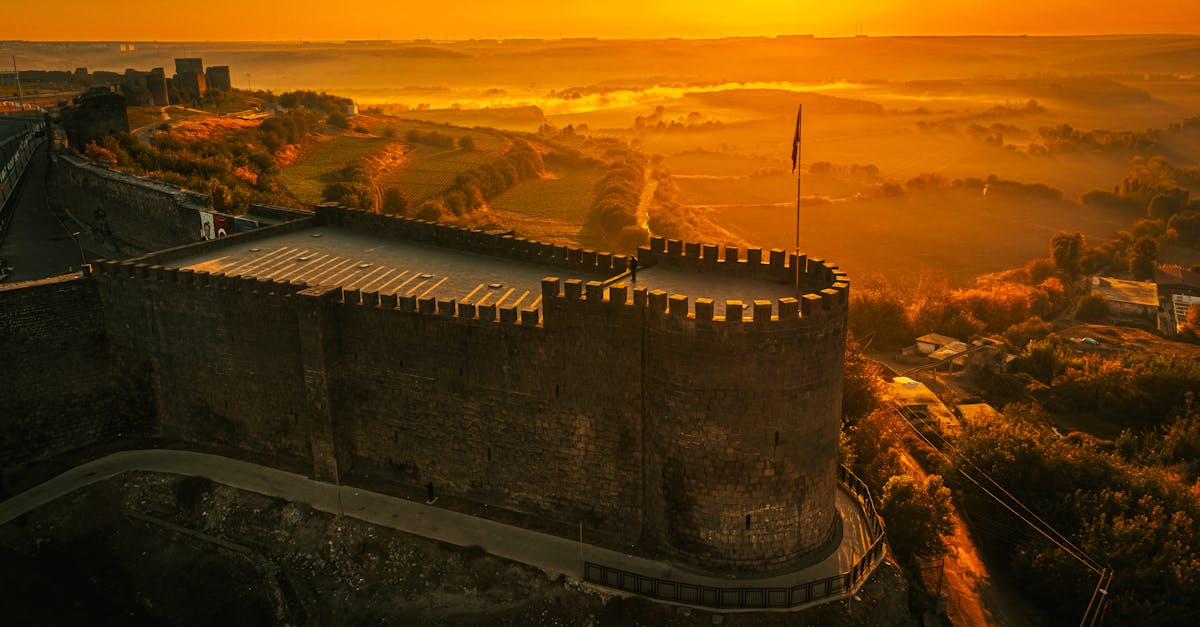 This photo was taken by Cengiz Kudat on Pexels.