History Buffs' Dream: Walking Through the Alhambra and Seville's Alcázar
 This photo was taken by Julia Schmidt on Pexels.
Welcome, fellow travelers, to the heart of Andalusia, where the echoes of centuries past resonate through every stone and archway. As your guide through this enchanting corner of Spain, I invite you to embark on a captivating journey that bridges the gap between history and imagination. In this post, we will explore two of the most breathtaking monuments in our country: the Alhambra in Granada and the Royal Alcázar of Seville. These are not merely buildings; they are living testaments to a golden era where East and West collided to create something truly magical. Whether you are a dedicated historian or simply a curious wanderer, prepare to step back in time as we uncover the secrets hidden within intricate tiles, serene courtyards, and legendary halls that have witnessed the rise and fall of empires.
The Moorish Legacy: A Journey Through Time
Stepping into the Alhambra of Granada or the Alcázar of Seville is akin to turning a page in a living history book, where the grandeur of Moorish Spain comes vividly alive through intricate stucco work and serene courtyards. These architectural masterpieces are not merely stone and tile; they are testaments to centuries of artistic refinement, featuring delicate arabesques that dance across walls and fountains that whisper tales of Islamic engineering prowess. As you wander through the Court of the Lions or the lush gardens of the Generalife, the scent of orange blossoms mixes with the cool shade of carved arches, transporting you back to an era when scholars, poets, and artisans created a civilization that bridged the gap between East and West.
The legacy of the Moors extends far beyond mere aesthetics, embedding itself deeply into the very soul of Andalusia's cultural identity. The water channels, designed to mimic the flowing rivers of paradise, still nourish vibrant flora today, while the geometric precision of the tiling reflects a mathematical sophistication that influenced European art for generations. For history enthusiasts, these sites offer an unparalleled opportunity to trace the complex layers of Spanish history, from the zenith of the Caliphate to the Reconquista, all within a landscape that feels both timeless and intimately connected to the present. Every corner reveals a new detail, inviting you to pause and imagine the lives of the sultans who once walked these halls, making your journey through time a truly immersive experience.
 This photo was taken by Erik Mclean on Pexels.
Architectural Marvels: Intricate Tiles and Courtyards
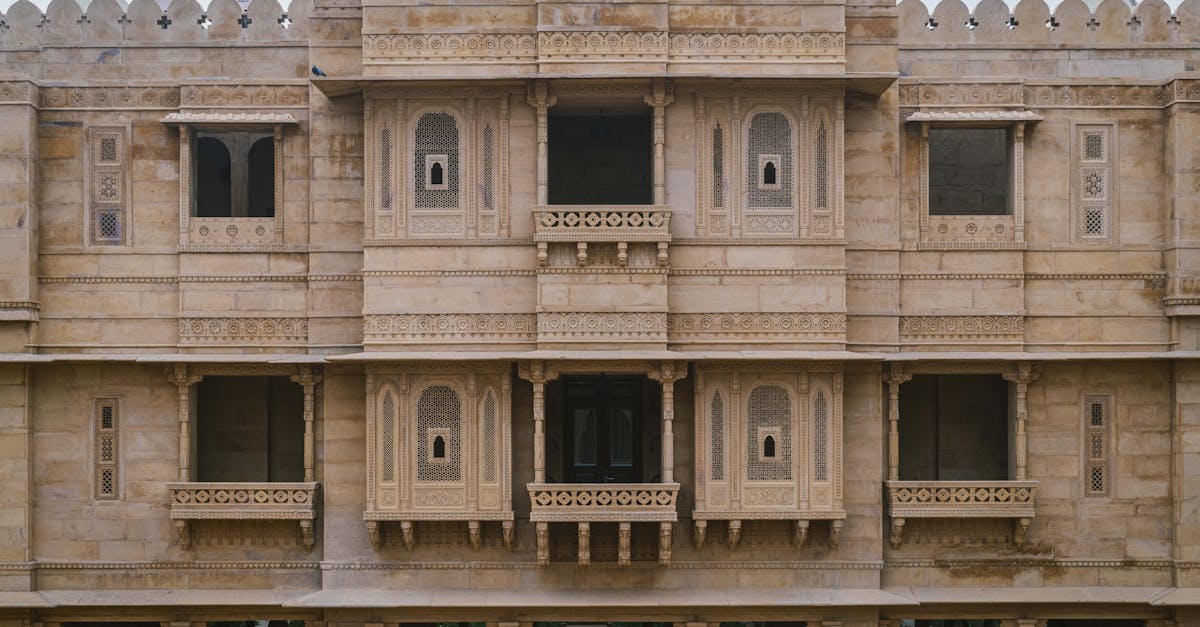 This photo was taken by Abhishek Navlakha on Pexels.
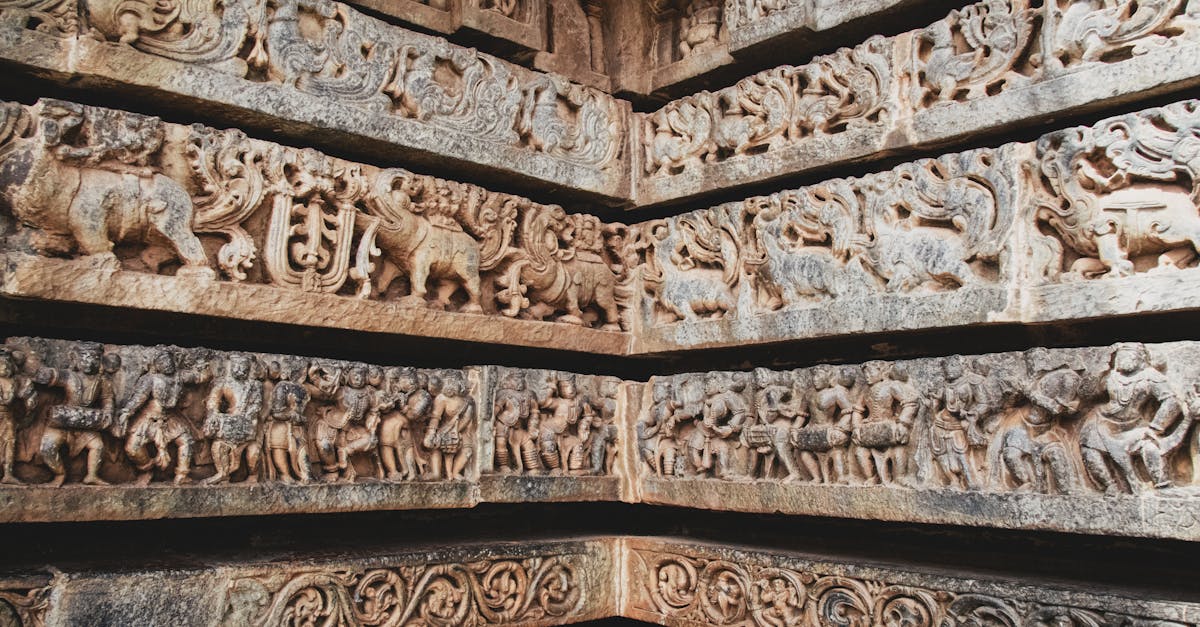
Legends and Royals: Stories Behind the Walls
Step into the hallowed halls where the whispers of Moorish kings and Christian monarchs seem to echo through centuries, transforming stone walls into living history books. In the Alhambra, you can trace the footsteps of the Nasrid dynasty, imagining the lavish courtly life of Yusuf I and Muhammad V within the Court of the Lions, while in Seville's Alcázar, the grandeur of the Mudéjar architecture tells tales of the legendary King Pedro the Cruel and his opulent gardens. These palaces were not merely residences but strategic fortresses where dynastic struggles played out, blending Islamic artistry with Gothic and Renaissance influences to create a unique architectural symphony that reflects Spain's complex cultural tapestry.
Beyond the intricate tilework and soaring arches lie dramatic stories of intrigue, betrayal, and romance that have captivated visitors for generations. From the tragic love story of the Abencerrajes, whose blood stained the fountain in the Hall of the Two Sisters, to the royal decrees issued from the Throne Room of Charles V, every corner of these sites holds a secret waiting to be discovered. As you wander through the lush courtyards and listen to the gentle murmur of fountains, you are walking through a narrative where legends intertwine with reality, offering an immersive experience that brings the golden age of Spanish royalty vividly to life for any history enthusiast.
 This photo was taken by Santhosh KKR on Pexels.