History Buffs' Dream: Roman Ruins and Moorish Castles Across Spain
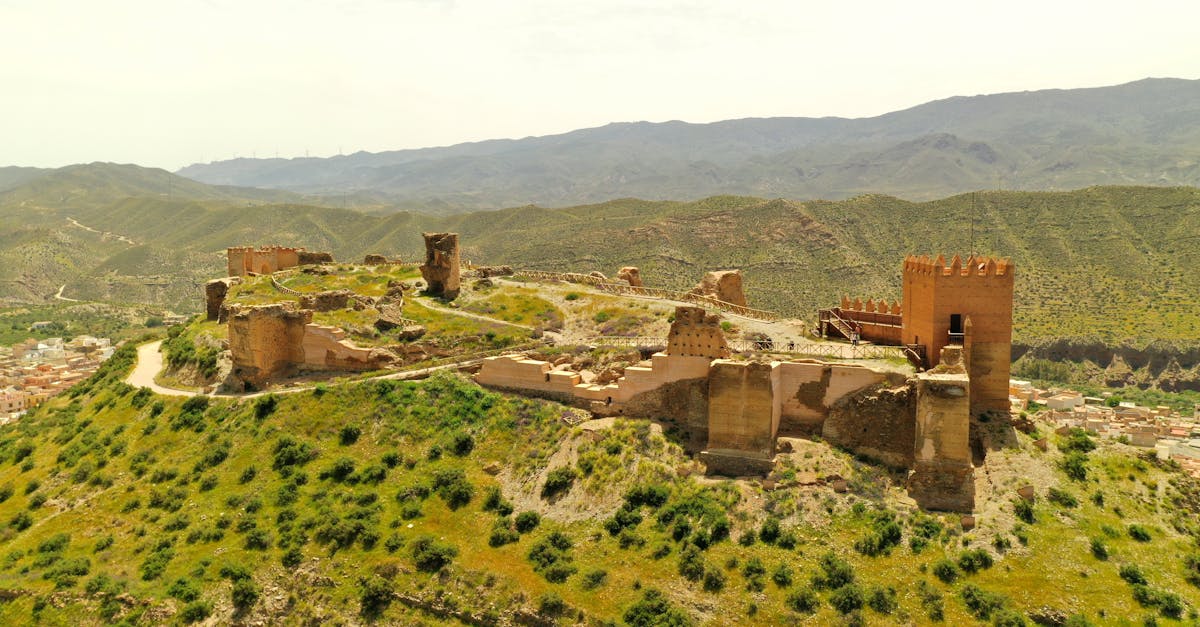 This photo was taken by Manolo García García on Pexels.
Welcome to the heart of Spain, where every stone tells a story and every shadow whispers of empires past. As your guide through this land of vibrant culture and deep history, I invite you to step into a unique landscape where the grandeur of Rome meets the intricate artistry of the Moors. From the soaring aqueducts that defy time in Segovia to the breathtaking palaces nestled within Granada's hills, our journey will unravel centuries of conquest, coexistence, and transformation. Whether you are a seasoned historian or simply a curious traveler, prepare to walk in the footsteps of legionaries and emirs as we explore the magnificent ruins and castles that define Spain's soul.
Imperial Echoes: Exploring Spain's Roman Amphitheaters and Aqueducts
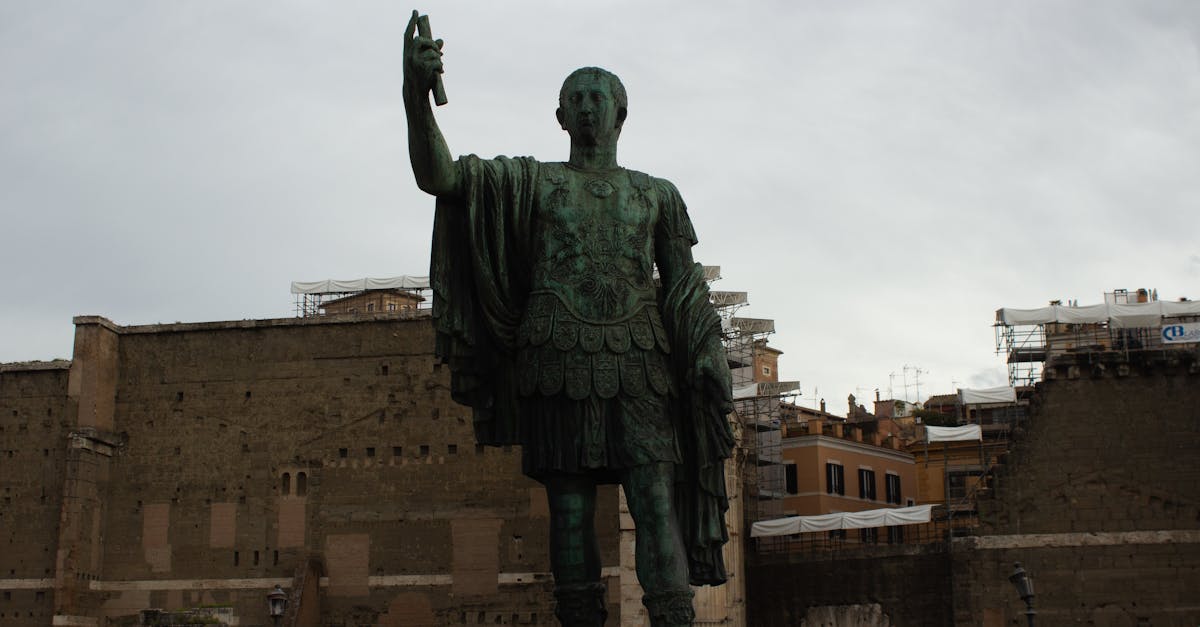 This photo was taken by Fatih Altuntaş on Pexels.
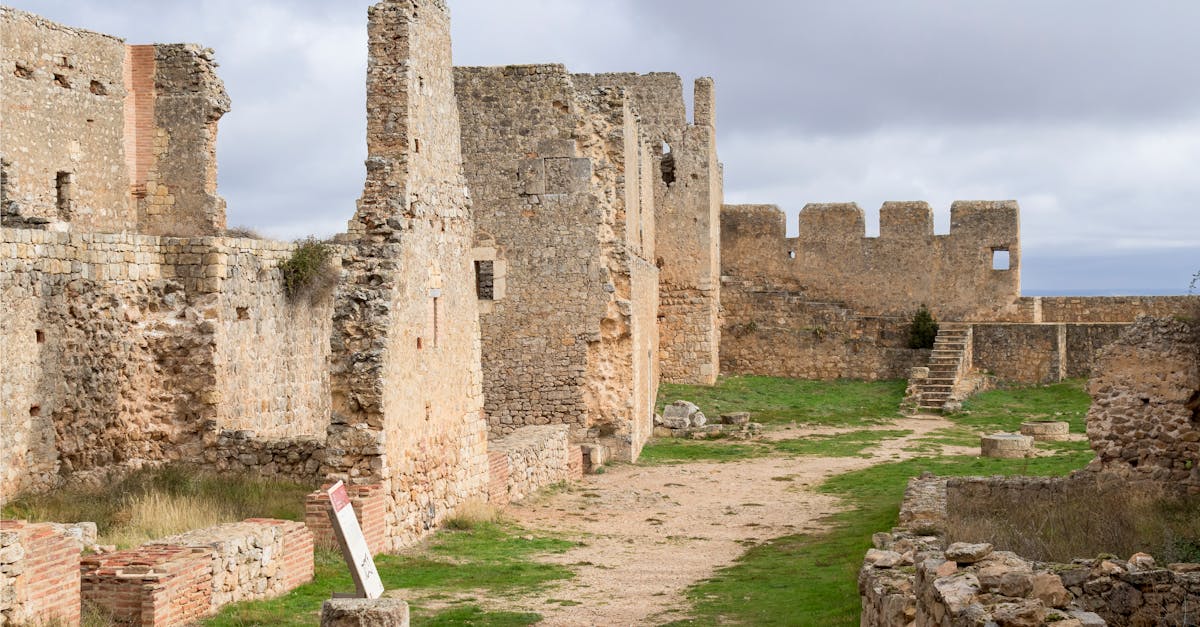
Fortresses of Faith: The Moorish Legacy in Alhambra and Alcázar
Step into the enchanting world of Andalusia, where the Alhambra in Granada and the Alcázar of Seville stand as towering testaments to nearly eight centuries of Moorish rule. These architectural marvels are not merely fortresses but intricate palaces that blend military strength with Islamic artistry, featuring soaring arches, serene courtyards, and fountains that whisper tales of a bygone era. As you wander through the Generalife gardens or gaze upon the star-studded ceilings of the Hall of the Ambassadors, you will feel the profound influence of the Nasrid dynasty, whose mastery of water, light, and geometry created spaces designed for both contemplation and grandeur. Every tile, carved stucco, and wooden ceiling tells a story of a civilization that left an indelible mark on Spanish soil, transforming these strongholds into some of the most beautiful monuments in Europe.
For history enthusiasts, exploring these sites offers a unique window into the complex tapestry of Spain's past, where Christian reconquest eventually met with the preservation of Islamic culture. The Alcázar of Seville, with its Mudéjar style that seamlessly fuses Gothic, Renaissance, and Moorish elements, exemplifies this cultural synthesis, while the Alhambra remains a pristine jewel of Islamic architecture in the West. Walking through their halls is like traveling back in time to witness the sophistication of court life, scientific advancements, and artistic achievements that flourished under Muslim leadership. Whether you are tracing the footsteps of kings and queens or simply admiring the geometric precision of the walls, these fortresses of faith invite you to appreciate a legacy that continues to shape the soul of modern Spain.
 This photo was taken by pierre rivero on Pexels.
From Legionaries to Emirs: A Journey Through Two Civilizations
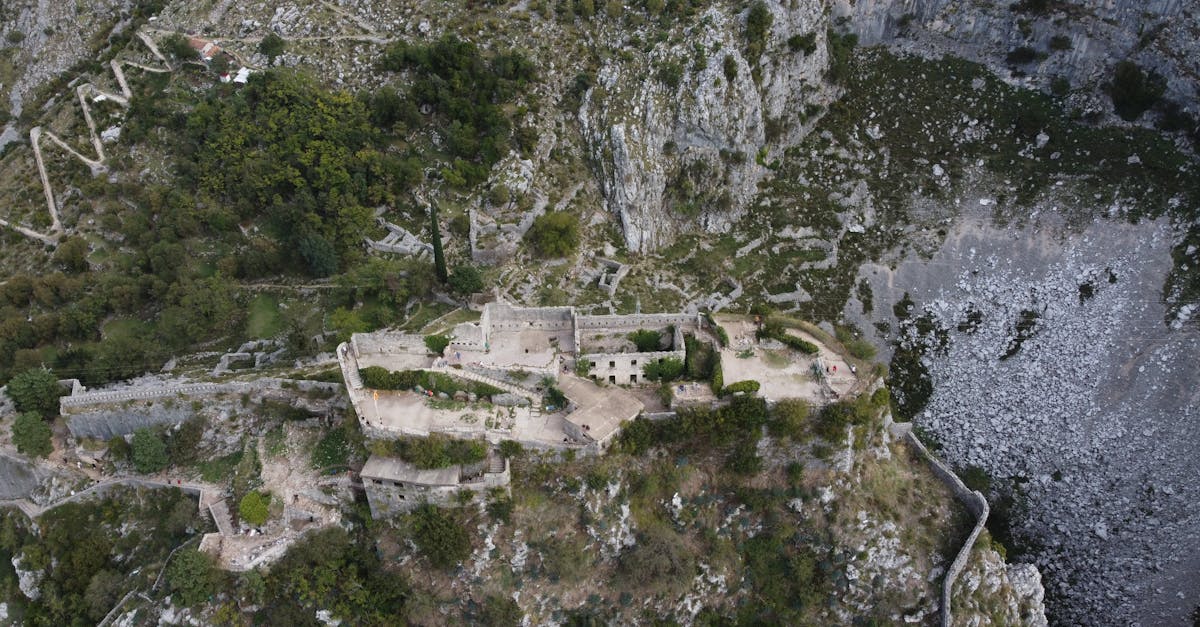
Step into the footsteps of ancient legionaries as you wander through the remarkably preserved ruins that dot the Spanish landscape, from the towering aqueducts of Segovia to the sprawling Colosseum-like theater in Mérida. These Roman remnants are not merely stones; they are the bedrock upon which modern Spain was built, offering a tangible connection to an empire that once stretched across three continents. As you trace the cobblestone streets of Tarragona or explore the bathhouses of Italica, you can almost hear the clamor of merchants and soldiers, feeling the weight of history under your feet. This era left an indelible mark on the country's infrastructure, law, and language, creating a foundational layer that invites history enthusiasts to marvel at the engineering prowess and organizational genius of Rome.
Centuries later, the narrative shifts dramatically with the arrival of the Moors, transforming the Iberian Peninsula into a beacon of culture, science, and architecture under the rule of emirs and caliphs. A journey through this Islamic period reveals the breathtaking Alhambra in Granada, where intricate geometric patterns and lush gardens whisper tales of poetic courts and sophisticated governance. From the Great Mosque of Córdoba, with its forest of red-and-white arches, to the fortified citadels of Seville, these structures stand as testaments to a golden age of coexistence and innovation. For the traveler, this dual heritage offers a unique opportunity to witness how two distinct civilizations—one of stone and steel, the other of water and light—intertwined to create the rich, complex tapestry of Spanish identity that defines the nation today.
 This photo was taken by Julien Goettelmann on Pexels.