History Buffs' Dream: Roman Ruins and Moorish Castles
 This photo was taken by Manolo García García on Pexels.
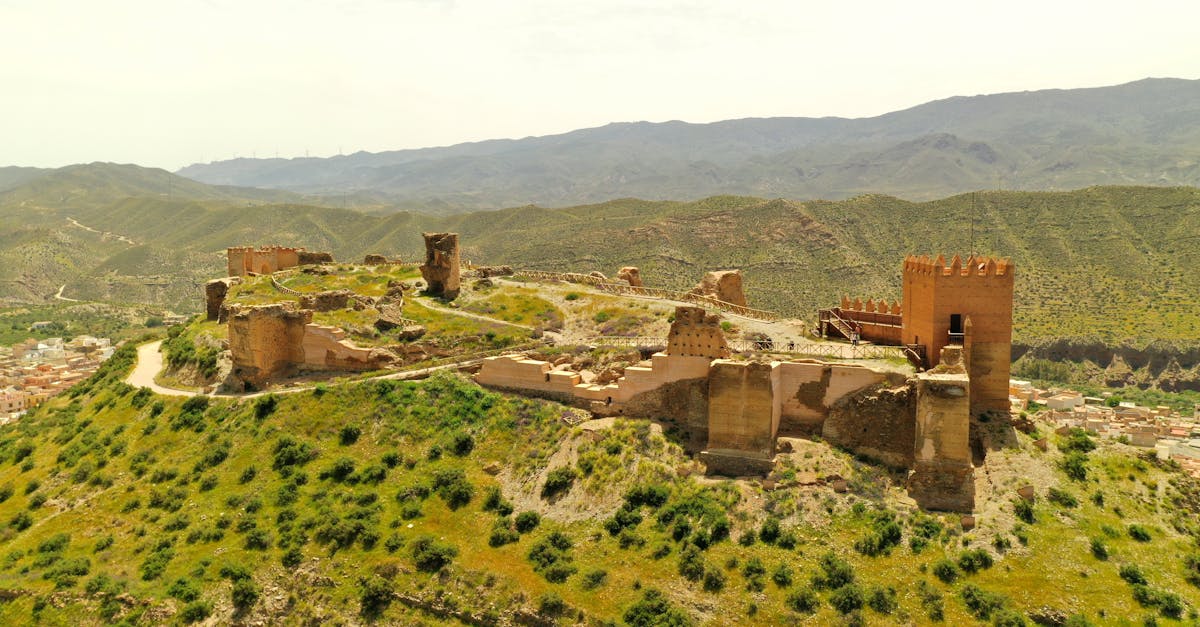
Welcome to Spain, a land where every stone tells a story and every horizon whispers of ancient empires. From the towering aqueducts that defy centuries to the intricate tilework of palaces built by caliphs, our history is not merely written in books but carved into the very landscape you will walk upon. In this journey through "History Buffs' Dream," we invite you to step back in time, tracing the grandeur of Rome's engineering marvels before wandering through the labyrinthine corridors of Moorish fortresses. Whether you are fascinated by the raw power of Roman legions or the poetic elegance of Al-Andalus, prepare to discover how these two distinct worlds once collided and merged to create the unique cultural tapestry that defines Spain today.
Walking Through Time: The Majestic Roman Legacy of Spain
 This photo was taken by ehsan ahmadnejad on Pexels.
Echoes of Al-Andalus: Exploring the Moorish Castles
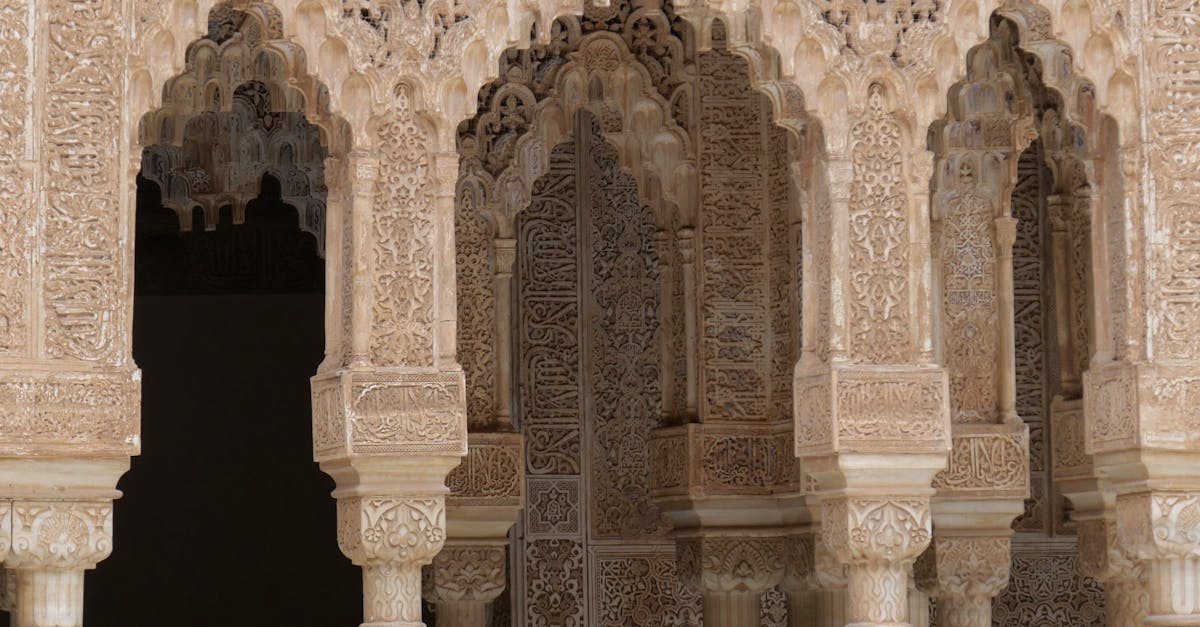
Step into a world where stone whispers the secrets of a thousand years as you wander through the majestic fortresses that once defined the heart of Al-Andalus. From the imposing silhouette of the Alhambra in Granada, with its intricate stucco work and serene courtyards reflecting the moonlight, to the rugged hilltop strongholds of the Alcazaba in Málaga, these Moorish castles offer a captivating glimpse into a sophisticated era of art, science, and architecture. As you trace the winding paths of ancient ramparts, imagine the bustling markets and scholarly debates that once filled these halls, where the fusion of Islamic geometry and Andalusian craftsmanship created a visual language that continues to enchant visitors from around the globe.
Exploring these historical gems is not merely a walk through ruins but a journey across time, revealing how the Moors transformed the Spanish landscape into a series of fortified paradises. Each castle tells a unique story of resilience and cultural exchange, from the defensive towers overlooking the Mediterranean coast to the hidden gardens that served as oases of tranquility amidst political turmoil. Whether you are climbing the narrow staircases of the Alcázar of Segovia or admiring the reflection pools of the Generalife, the echoes of Al-Andalus resonate through every archway, inviting history enthusiasts to uncover the layers of a civilization that left an indelible mark on the soul of Spain.
 This photo was taken by Dirk Pothen on Pexels.
Where Two Worlds Collide: Sites That Blend Roman and Islamic History
Step into the fascinating landscape where the grandeur of the Roman Empire meets the intricate artistry of Islamic rule, creating a historical tapestry unique to Spain. In cities like Mérida and Tarragona, you can walk along ancient Roman aqueducts and amphitheaters that have stood for millennia, only to find them seamlessly integrated with later Moorish fortifications or repurposed within Al-Andalus architecture. This layering of history is perhaps most visible in Córdoba, where the Great Mosque-Cathedral stands as a monumental testament to this collision; its forest of red-and-white striped arches, originally built by Umayyad caliphs, now houses a Christian cathedral constructed right in the heart of the prayer hall, offering visitors an awe-inspiring visual dialogue between two distinct civilizations.
For the discerning traveler, exploring these sites offers more than just sightseeing; it provides a profound understanding of how cultures coexist and transform over time. The Alhambra in Granada, while predominantly Nasrid, sits upon foundations that include earlier Roman baths and Visigothic structures, illustrating the continuous human occupation of strategic high ground. Similarly, in Seville, the Alcázar palace showcases a stunning blend of Mudejar craftsmanship—where Muslim artisans worked under Christian patronage—using geometric patterns and horseshoe arches that echo Roman engineering principles. These locations invite you to trace the footsteps of conquerors and builders alike, revealing a narrative where stone walls tell stories of both imperial might and spiritual devotion, making every corner a discovery for those who cherish the depth of Spain's layered past.
 This photo was taken by Ann H on Pexels.