History Buffs' Dream: Exploring Spain's Ancient Castles and Ruins
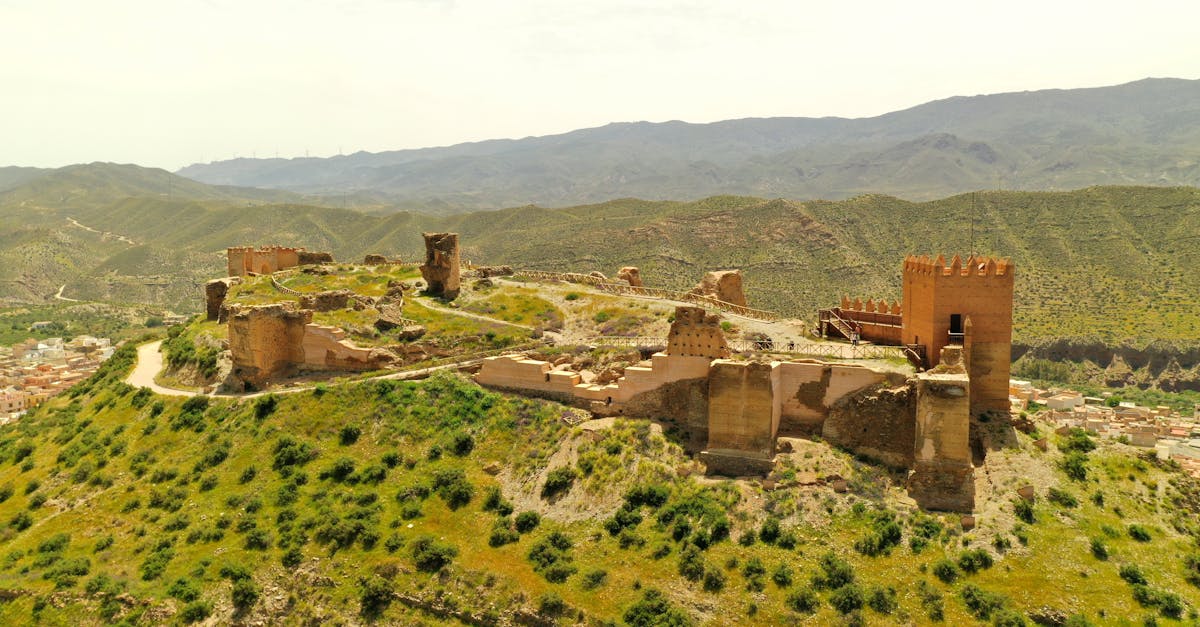 This photo was taken by Manolo García García on Pexels.
Welcome to the heart of Spain, where every stone whispers tales of empires risen and fallen. As your guide through this land of passion and history, I invite you to embark on a journey that transcends time. From the intricate stucco work of Islamic palaces in the south to the imposing granite fortresses guarding the northern frontiers, and down to the enduring foundations of Roman roads and temples, our heritage is written in masonry. In this post, we will traverse the diverse landscapes of our country, uncovering the secrets held within its ancient castles and ruins. Whether you are a scholar of antiquity or simply a traveler seeking wonder, prepare to step back into the past as we explore the Moorish fortresses of Andalusia, the medieval strongholds of Castile, and the timeless legacies of Rome.
The Moorish Fortresses of Andalusia: A Journey Through Alhambra and Alcázar
Step back into the golden age of Islamic rule in Spain as you wander through the breathtaking Moorish fortresses that define Andalusia's architectural soul. The Alhambra in Granada, a UNESCO World Heritage site, stands as a majestic testament to Nasrid power, where intricate stucco work, vibrant tile mosaics, and serene courtyards like the Court of the Lions transport visitors to a world of poetic elegance and strategic grandeur. Just steps away from its ramparts, the sound of fountains echoes against walls adorned with Arabic calligraphy, inviting history enthusiasts to trace the footsteps of sultans who once governed this southern jewel with an iron fist and an artist's eye.
Continuing your journey westward to Seville, the Alcázar offers a equally mesmerizing glimpse into this rich heritage, blending Mudéjar artistry with Christian influences in a seamless tapestry of history. This royal palace, originally built by Muslim rulers and later expanded by Christian monarchs, features labyrinthine gardens, towering towers, and halls so exquisite they have even served as a backdrop for modern cinema. For the dedicated history buff, exploring these two iconic sites provides not just a visual feast but a profound understanding of the complex cultural layers that shaped Spain, making it an essential pilgrimage for anyone fascinated by the enduring legacy of ancient civilizations.
 This photo was taken by Alena Sharkova on Pexels.
Medieval Strongholds of the North: Discovering Castile's Stone Giants
Journeying into the rugged heart of northern Spain reveals a landscape where history is carved directly into the limestone cliffs, offering an unparalleled experience for those who cherish the tales of knights and kings. The region of Castile is dotted with formidable stone giants that once guarded the frontiers of the Reconquista, standing as silent sentinels against centuries of conflict. From the imposing silhouette of the Castle of Coca, with its fairy-tale turrets that seem to defy gravity, to the mysterious ruins of the Castle of Peñafiel perched atop a hill overlooking the vineyards, each fortress tells a unique story of architectural ingenuity and military strategy. Walking through these ancient corridors, visitors can almost hear the echoes of distant battles and feel the weight of history in every weathered stone, making it a true pilgrimage for history enthusiasts.
Beyond the grandeur of their walls lies a rich tapestry of cultural heritage that extends far beyond mere observation; these medieval strongholds are living museums where the past comes alive through guided tours and seasonal festivals. Imagine exploring the vast courtyards of the Alcazaba of Gormaz, where Moorish and Christian influences blend seamlessly, or climbing the spiral staircases of the Castle of San Servando in Toledo to gaze upon the sweeping views of the Tagus River valley. Many of these sites have been meticulously restored to preserve their original splendor while integrating modern interpretive centers that bring the lives of the nobility and soldiers to vivid life. Whether you are tracing the footsteps of legendary figures or simply marveling at the craftsmanship of the masons who built them without modern machinery, Castile's stone giants offer an immersive journey back in time that remains one of Spain's most captivating historical treasures.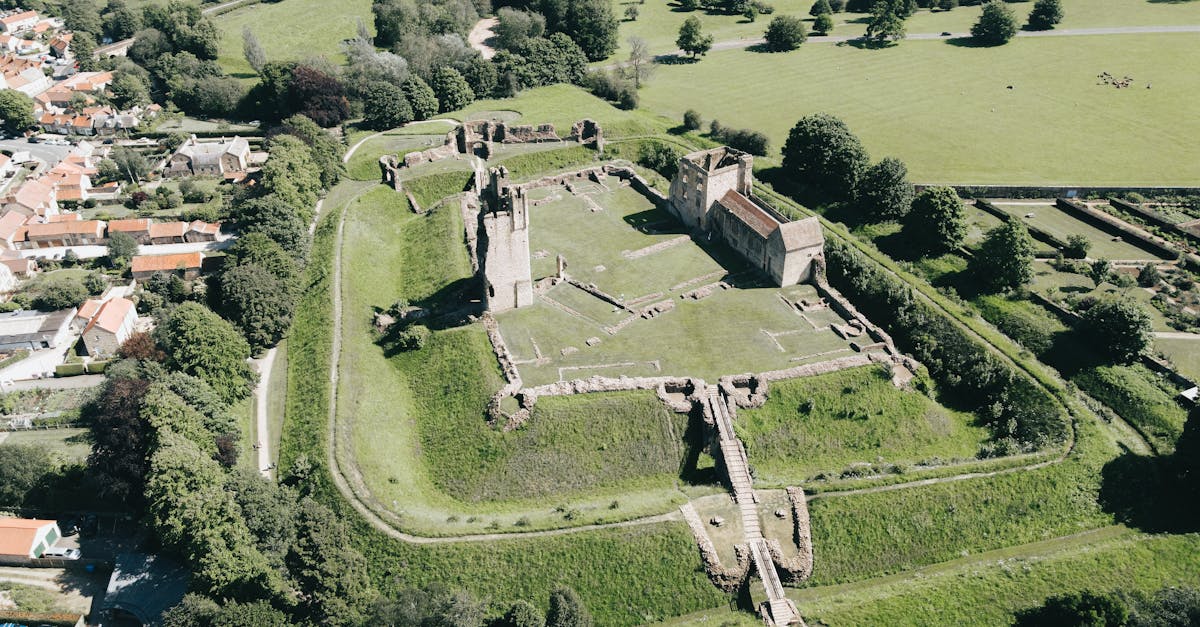 This photo was taken by Lewis Ashton on Pexels.
Lost Empires and Roman Legacies: Unearthing Spain's Ancient Ruins
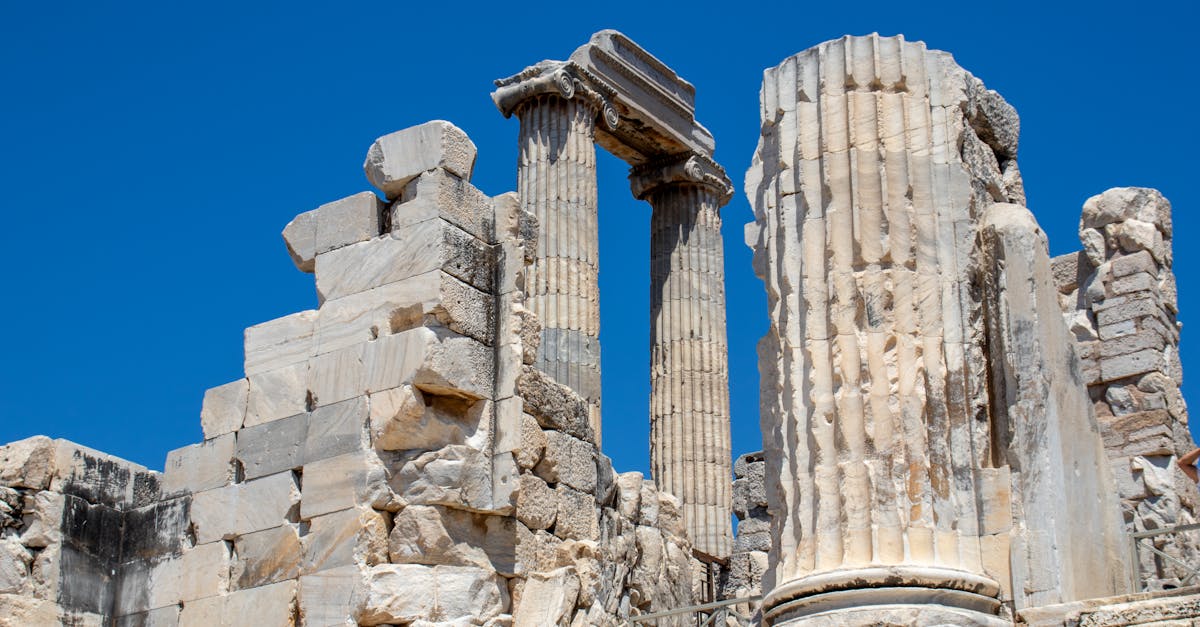
From the towering arches of Mérida's amphitheater to the hauntingly preserved walls of Tarragona, Spain offers a breathtaking journey back to the height of the Roman Empire. As you wander through these ancient sites, you can almost hear the echoes of legionaries marching along the original stone roads that still connect major cities today. The sheer scale of engineering marvels like the Aqueduct of Segovia stands as a testament to Roman ingenuity, while the intricate mosaics found in Italica reveal the opulent daily lives of its wealthy inhabitants. These ruins are not merely static stones; they are vibrant chapters of history that invite visitors to step into a world where the grandeur of empires once reigned supreme.
Beyond the Romans, the landscape is dotted with remnants of other lost civilizations, including the strategic fortifications built by the Visigoths and the sophisticated urban planning of the Moorish era that followed. Exploring these layers of history allows travelers to witness how different cultures shaped the Iberian Peninsula over millennia, creating a unique cultural tapestry visible in every crumbling tower and buried foundation. Whether you are tracing the footsteps of emperors in Baetica or discovering hidden temples in Andalusia, each site provides an immersive educational experience that transforms a simple vacation into a profound exploration of human civilization's enduring legacy across the Spanish countryside.
 This photo was taken by Muzin Kahraman on Pexels.