History Buffs' Dream: Ancient Ruins and Medieval Castles of Spain
 This photo was taken by KF Drones on Pexels.
Welcome to the heart of Spain, where every stone whispers a story and every shadow holds a memory. As your local guide, I invite you on an unforgettable journey through the layers of history that make this country a true paradise for history enthusiasts. From the grandeur of Roman engineering in Mérida and Tarragona to the intricate beauty of Moorish fortresses left by Al-Andalus, and finally to the soaring silhouettes of medieval castles built by Spanish kings, our nation is an open-air museum waiting to be explored. Whether you are tracing the footsteps of emperors or imagining the chivalry of knights, prepare to step back in time as we uncover the ancient ruins and majestic castles that define the Spanish landscape.
Tracing the Roman Empire: From Mérida to Tarragona
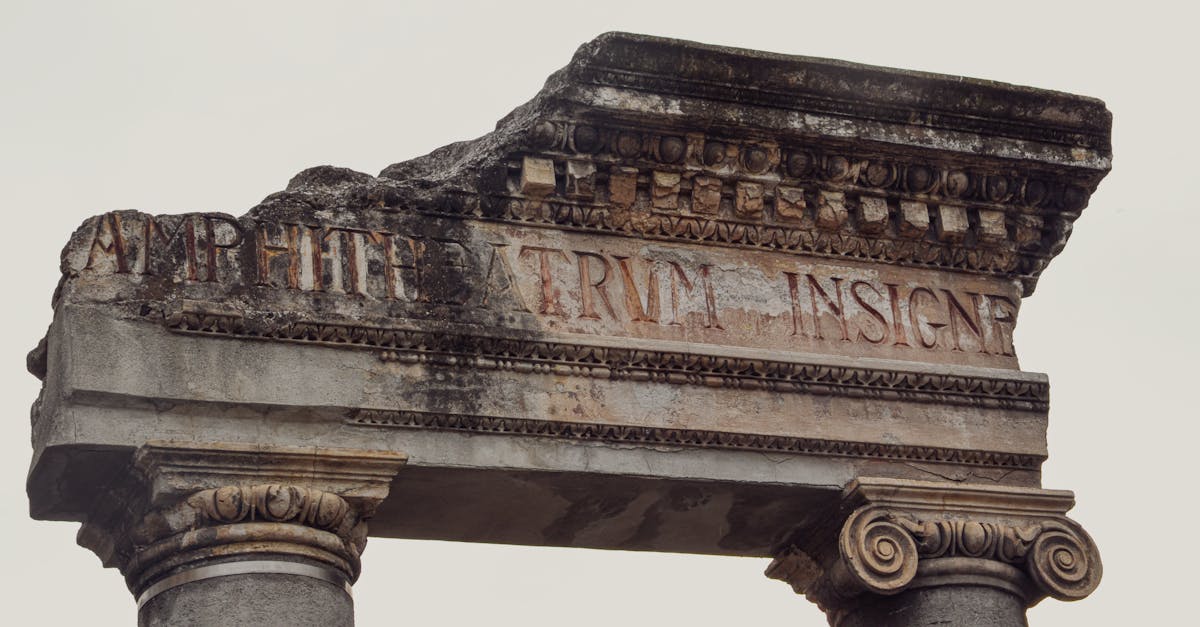
For history enthusiasts, the journey through Spain's Roman heritage begins in Mérida, a city where the past is not merely preserved but vividly integrated into daily life. As one of the most significant Roman sites in Europe, Mérida boasts the magnificent Teatro Romano and the sprawling Circus, both of which still host performances today, echoing the grandeur of the ancient province of Lusitania. Walking these cobblestone streets feels like stepping back two millennia, with the Temple of Diana standing as a silent sentinel over the Guadiana River, while the National Museum of Roman Art offers an immersive look into the artifacts that once adorned the empire's provincial capitals.
Continuing this imperial odyssey northward to Tarragona reveals another layer of Roman splendor along the Mediterranean coast, where the legacy of the city of Tarraco is etched into every cliffside and promenade. Here, visitors can explore the well-preserved amphitheater overlooking the sea, walk along the ancient Via Augusta, and marvel at the towering aqueduct known as the Pont del Diable, a testament to the engineering prowess that connected the far reaches of the empire. From the fortified walls that once protected this bustling port to the intricate mosaics found in the city museum, Tarragona offers a breathtaking conclusion to a tour that traces the enduring footprint of Rome across the Iberian landscape.
 This photo was taken by Anton Ivanov on Pexels.
Walking Through Time in Al-Andalus: Moorish Fortresses and Palaces
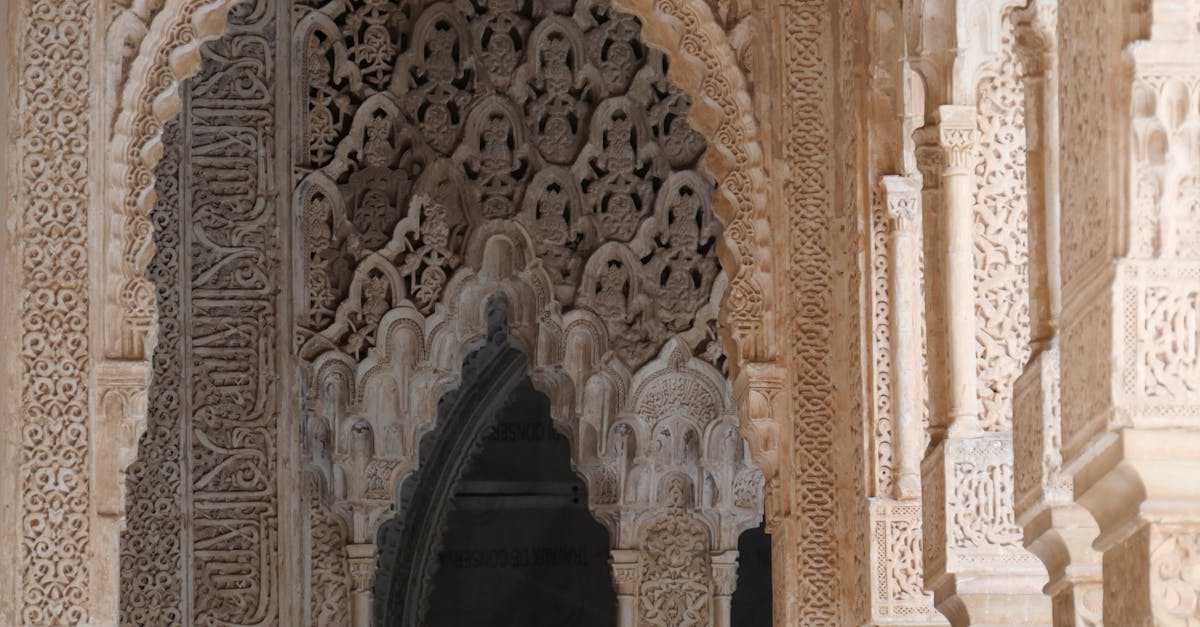
Step into the golden age of Al-Andalus as you wander through the intricate corridors of the Alhambra in Granada and the majestic Alcázar of Seville, where centuries-old Moorish craftsmanship tells a story of artistry and power. These fortresses are not merely stone structures but living museums where every tile, archway, and fountain whispers tales of caliphs, poets, and scholars who once thrived under Islamic rule. As you trace the geometric patterns that adorn the walls and lose yourself in the scent of orange blossoms filling the courtyards, you will feel the profound influence of this era that shaped the very soul of Spanish architecture, offering an immersive journey back to a time when East and West converged in harmony.
Beyond the grand palaces, the landscape is dotted with hidden fortresses like the Alcazaba of Málaga or the fortress-palace of Almodóvar del Río, each standing as a testament to the strategic brilliance and defensive prowess of the Moors. Walking these ancient ramparts offers a unique perspective on medieval warfare and daily life, allowing history enthusiasts to visualize the complex societies that once flourished here. Whether you are exploring the serene gardens of the Generalife or climbing the watchtowers to gaze over the surrounding countryside, these sites provide an unparalleled connection to Spain's multicultural past, making them essential stops for anyone eager to understand the deep historical layers that define this beautiful country.
 This photo was taken by Dirk Pothen on Pexels.
The Age of Kings: Exploring Spain's Iconic Medieval Castles
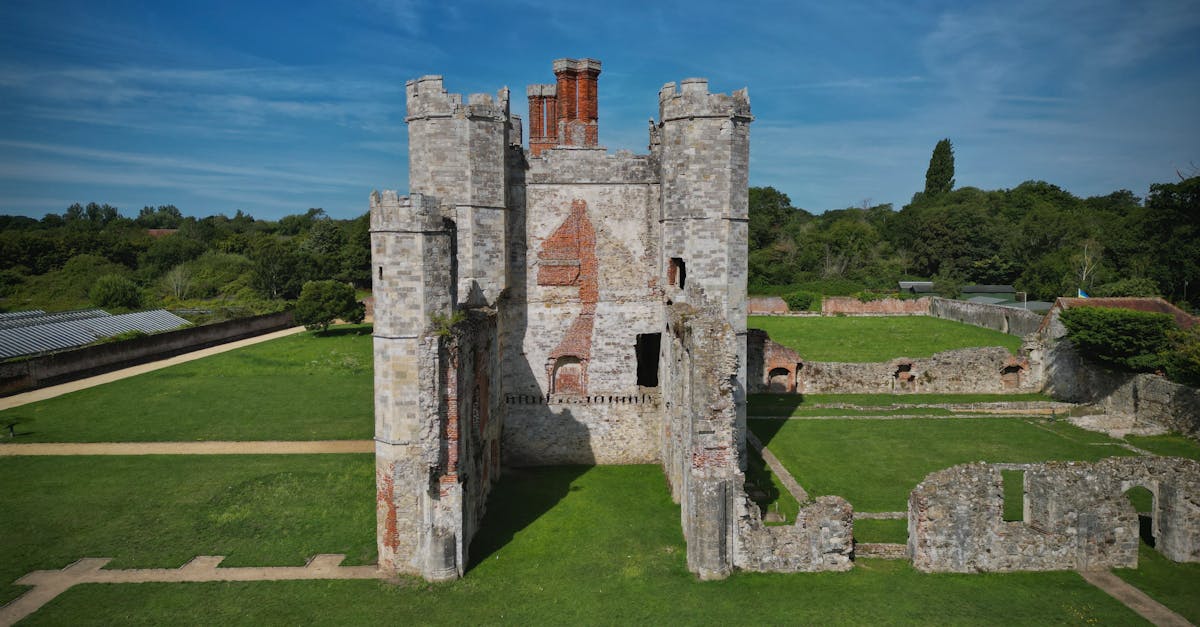
From the sun-drenched plains of Castile to the rugged peaks of Asturias, Spain's landscape is dotted with majestic fortresses that whisper tales of a turbulent yet glorious past. The Alhambra in Granada stands as a breathtaking testament to Moorish craftsmanship, its intricate tilework and serene courtyards offering a glimpse into the Nasrid dynasty's opulence before the Reconquista. Further north, the imposing Alcázar of Segovia rises dramatically from a rocky crag, its silhouette reminiscent of a fairytale castle that once sheltered monarchs like Isabella I and Ferdinand II. These structures are not merely stone monuments; they are living museums where visitors can walk through grand halls, peer through arrow slits, and imagine the strategic battles and royal intrigues that shaped the very foundation of modern Spain.
For history enthusiasts, exploring these medieval castles offers an immersive journey through centuries of architectural evolution and political power struggles. Many of these sites have been meticulously preserved or restored, allowing tourists to ascend winding staircases and traverse fortified walls that have withstood sieges for hundreds of years. Whether you are marveling at the military engineering of the Castillo de Loarre or wandering through the atmospheric ruins of the Castle of San Servando in Toledo, each location provides a unique narrative layer of Spain's complex heritage. By stepping inside these ancient gates, travelers do more than just sightsee; they connect with the enduring spirit of the Age of Kings, understanding how these formidable strongholds defended kingdoms and fostered cultures that continue to define Spanish identity today.
 This photo was taken by Jean-Paul Wettstein on Pexels.