Historical Treasures: Roman Ruins and Medieval Castles
 This photo was taken by Erik Mclean on Pexels.
Welcome to the heart of Spain, where every stone tells a story and every horizon holds a secret. As your guide through this sun-drenched land, I invite you on a captivating journey that spans millennia, from the engineering marvels of the Roman Empire to the soaring fortresses of the Middle Ages. In this post, we will walk through time to witness the grandeur of ancient amphitheaters and aqueducts, then explore the impenetrable medieval castles that once guarded kingdoms against invaders. Whether you are standing amidst the ruins of Tarragona or gazing at the fortress of Segovia, prepare to discover where history meets the horizon in a landscape unlike any other.
Walking Through Time: The Grandeur of Roman Amphitheaters and Aqueducts
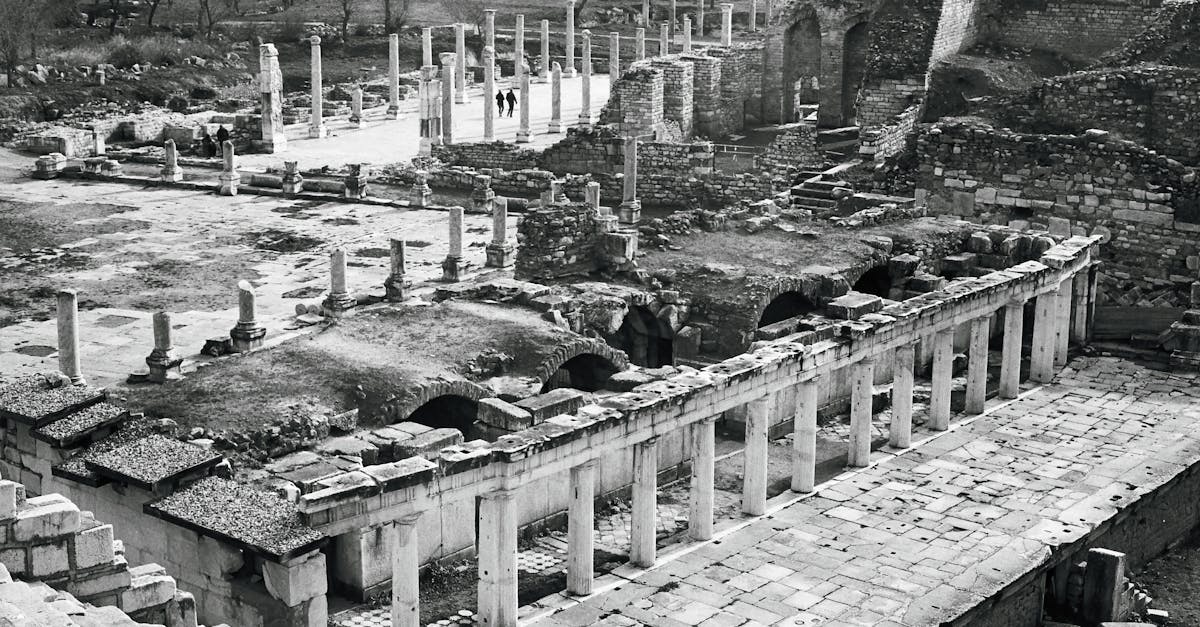
Step into the ancient world as you wander through Spain's magnificent Roman engineering marvels, where the echoes of history still resonate in every stone. In Mérida, the Teatro Romano stands as a testament to imperial grandeur, its semi-circular tiers once filled with thousands cheering for gladiatorial contests and theatrical performances that captivated the empire. Nearby, the aqueduct of Segovia defies gravity with its double-arched structure soaring 28 meters high, a silent sentinel that has delivered fresh water to the city for nearly two millennia. Walking these sites is not merely sightseeing; it is an immersive journey back to the days when Rome ruled the Iberian Peninsula, allowing you to trace the footsteps of legionaries and feel the sheer scale of human ambition preserved in weathered granite.
Beyond the theaters and waterways, the enduring legacy of Roman infrastructure invites you to explore how these structures have seamlessly integrated into modern Spanish life. The Aqua Augusta in Tarragona and the bridges spanning the Guadiana River in Mérida demonstrate a mastery of construction that has outlasted empires, offering breathtaking photo opportunities against dramatic backdrops of blue skies and lush landscapes. As you navigate the cobblestone streets surrounding these ruins, imagine the bustling trade routes and daily routines of ancient citizens, creating a tangible link between the past and present. These monumental remnants are more than just archaeological sites; they are living classrooms that highlight the sophistication of Roman civilization and provide a profound sense of continuity as you traverse this historic land.
 This photo was taken by Golden Jojo on Pexels.
Guardians of the Past: Exploring Spain's Impenetrable Medieval Castles
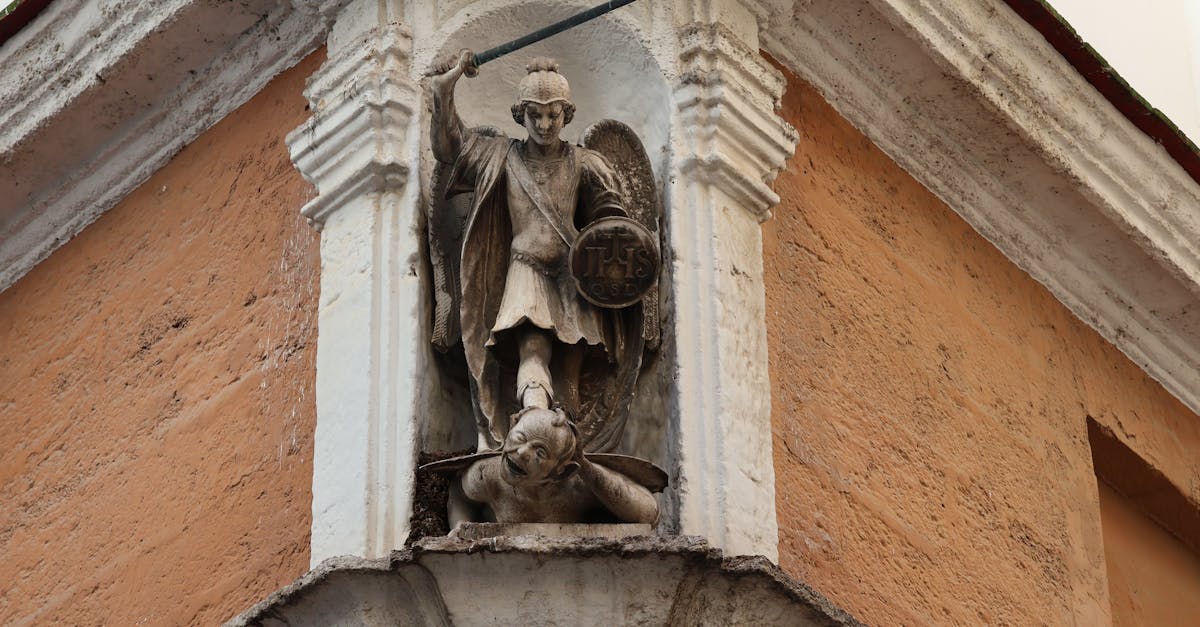
As you wander through the rugged landscapes of Spain, from the misty peaks of the Pyrenees to the sun-drenched plains of Castile, you will encounter majestic fortresses that stand as silent sentinels of a turbulent yet glorious past. These impenetrable medieval castles, such as the awe-inspiring Alhambra in Granada or the formidable Alcázar of Segovia, were not merely defensive structures but thriving centers of power where kings and queens once plotted the fate of nations. Walking along their weathered stone ramparts, you can almost hear the echoes of clashing swords and feel the weight of centuries of history, witnessing how these architectural marvels withstood sieges, earthquakes, and the relentless passage of time to remain symbols of Spanish resilience and royal grandeur.
Beyond their imposing exteriors, these castles offer an intimate glimpse into the daily lives of the nobility and the strategic ingenuity of medieval engineers. Many have been lovingly restored to reveal opulent interiors adorned with intricate tapestries, period furniture, and stunning frescoes that tell stories of love, betrayal, and religious devotion. Whether you are exploring the labyrinthine corridors of the Castillo de Coca or gazing out from the battlements of the Castillo de Loarre, each step invites you to step back in time. Today, these guardians of the past serve as vibrant cultural hubs, hosting flamenco performances, historical reenactments, and luxury stays that allow visitors to immerse themselves fully in the romantic allure of Spain's medieval heritage.
 This photo was taken by Antonio Garcia Prats on Pexels.
Where History Meets Horizon: From Tarragona's Ruins to Segovia's Fortress
Begin your journey along the sun-drenched Mediterranean coast in Tarragona, where the ancient grandeur of the Roman Empire stands proudly against the azure backdrop of the sea. As you wander through the well-preserved Amphitheatre and the imposing Circus, you will feel the weight of two millennia as you trace the footsteps of emperors and gladiators. Just a short distance away, the ancient Roman walls encircle the city, offering panoramic views that seamlessly blend the rugged coastline with the timeless echoes of history, creating a landscape where every stone whispers tales of a bygone civilization.
In stark contrast to the coastal warmth, venture inland to the misty heights of Segovia, a city crowned by one of Europe's most magnificent medieval fortresses. The Alcázar of Segovia rises dramatically from the rocky outcrop, its fairy-tale turrets piercing the sky like a sentinel guarding centuries of royal intrigue and architectural brilliance. From here, you can gaze upon the breathtaking Aqueduct, a testament to Roman engineering prowess that still channels water across the city after nearly two thousand years, perfectly illustrating how Spain's past is not merely preserved in museums but lives on in the very stones that define our horizon today.
 This photo was taken by umut erdem on Pexels.