Hiking the Pyrenees: Nature Trails Along the French Border
 This photo was taken by Kampus Production on Pexels.
Welcome to the majestic spine of Spain, where the rugged peaks of the Pyrenees meet the azure skies of the French border. As your local guide, I invite you to step away from the bustling coastlines and immerse yourself in a world of ancient glaciers, crystal-clear lakes, and timeless traditions. In this journey, we will wander through the hidden valleys of Aigüestortes National Park, savor the hearty flavors of traditional Pyrenean cuisine in its charming mountain villages, and equip you with essential tips for a safe and unforgettable trekking adventure. Get ready to breathe in the crisp mountain air and discover why these trails are among Europe's most breathtaking destinations.
Discovering the Hidden Valleys of Aigüestortes
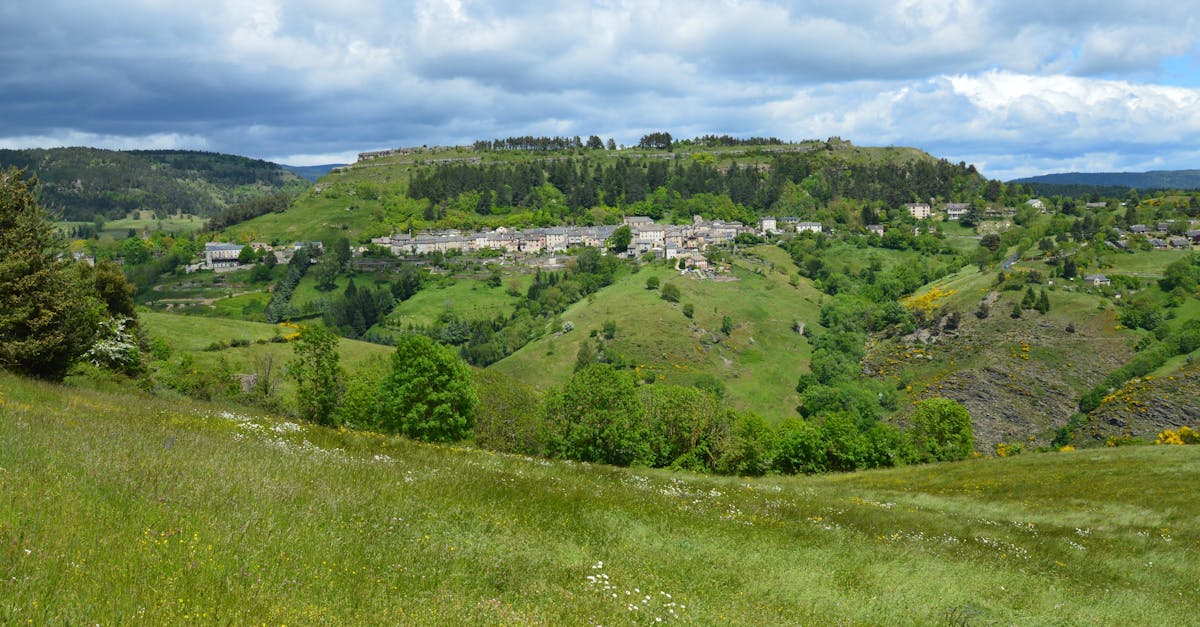
Just beyond the bustling ski resorts of La Molina lies a sanctuary where time seems to stand still: the hidden valleys of Aigüestortes. Often overshadowed by its more famous neighbors, this protected area within the Pyrenees offers a pristine landscape dotted with over 200 glacial lakes, known locally as "bordes," that shimmer in hues ranging from deep turquoise to emerald green depending on the light. As you trek along the winding paths of the Vall de Boí or the Vall d'Àneu, you will be surrounded by ancient larch forests and rugged granite peaks that have remained largely untouched by mass tourism, providing an intimate connection with nature that is rare to find anywhere else in Europe.
The true magic of Aigüestortes unfolds when you venture off the main trails into its secluded corners, where the silence is broken only by the gentle murmur of alpine streams and the distant call of the golden eagle. Hikers are rewarded with breathtaking vistas of cascading waterfalls feeding into crystal-clear pools, perfect for a refreshing break during your journey. Whether you choose a leisurely walk through the meadows filled with wildflowers in summer or a challenging ascent to the high mountain passes in autumn, these hidden valleys promise an unforgettable experience of raw, unspoiled beauty right on Spain's border with France.
 This photo was taken by SlimMars 13 on Pexels.
A Culinary Journey Through Pyrenean Villages
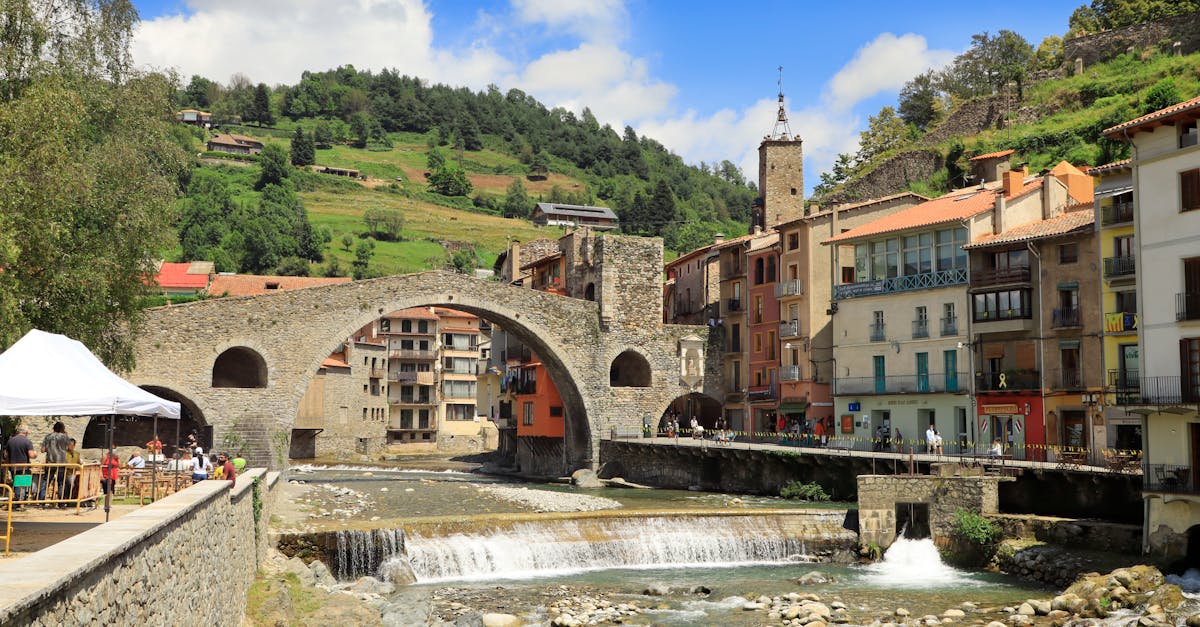
After winding your way through the rugged granite peaks and lush alpine meadows of the Pyrenees, the true reward often lies in the quiet valleys where time seems to stand still. In these remote villages like Aínsa or Vielha, the culinary landscape is a hearty testament to the region's harsh yet beautiful climate. Imagine settling into a stone-walled tavern after a day on the trail, warming your hands with a steaming bowl of sopa de ajo, a rustic garlic soup enriched with local eggs and smoked paprika. The air fills with the savory aroma of slow-cooked stews made from free-range lamb or game meats, seasoned simply with wild herbs foraged from the slopes just above you.
No visit to the Spanish Pyrenees would be complete without savoring their legendary cheeses and cured meats, which are produced using methods passed down through generations. You will find Queso de Cabrales and other artisanal mountain cheeses aging in cool caves, offering a sharp, creamy flavor that pairs perfectly with a glass of robust red wine from the nearby Somontano region. As you dine, locals will eagerly share stories of transhumance and ancient traditions while you enjoy dishes like truchas del río, river trout grilled over open fire, served alongside potatoes cooked in goat butter. This gastronomic experience is not merely about feeding the body but connecting deeply with the soul of the mountains, making every meal a cherished memory of your hiking adventure along the French border.
 This photo was taken by Salva F. Ayala on Pexels.
Essential Tips for Safe Mountain Trekking
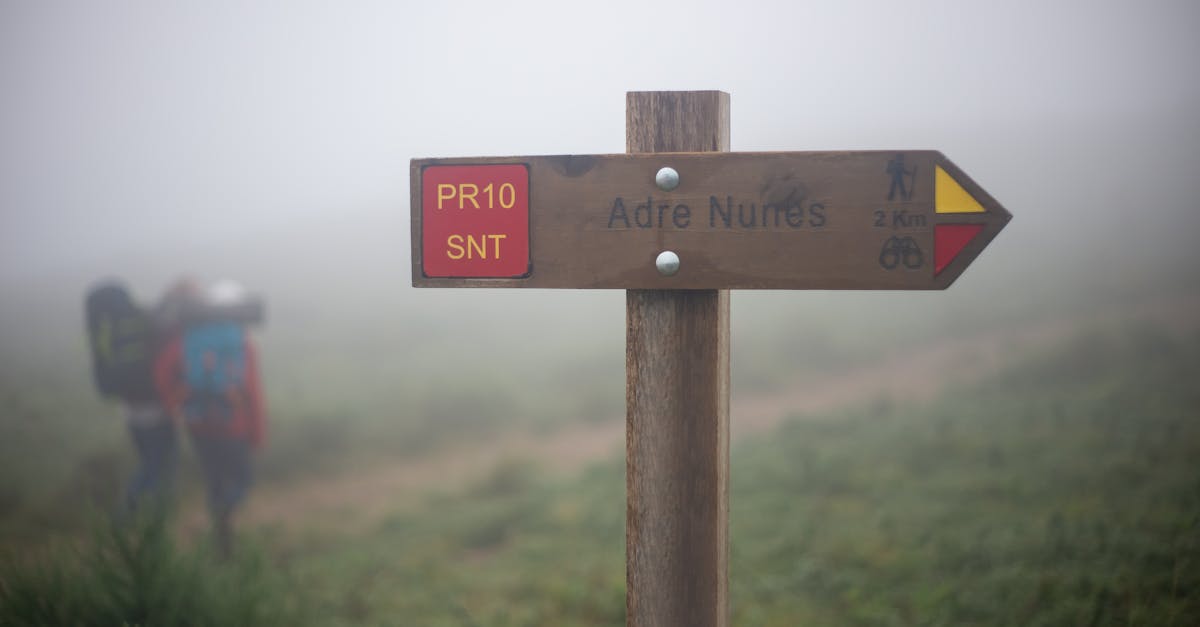
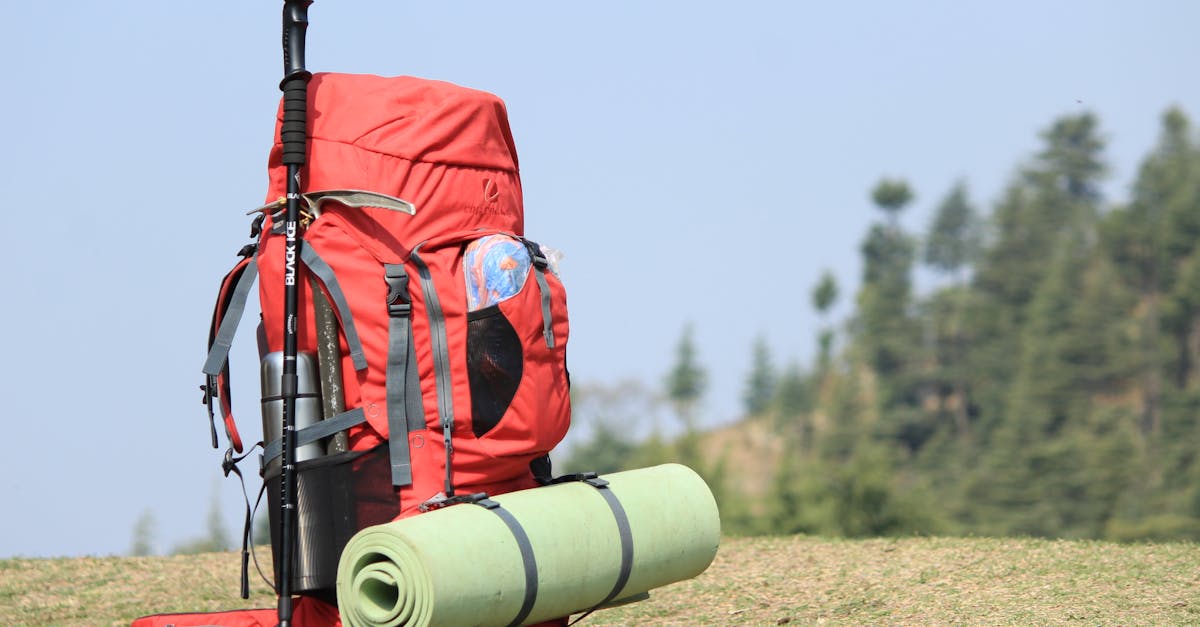
Before embarking on your adventure through the Pyrenees, it is crucial to prepare for the mountain's rapidly changing weather conditions, which can shift from sunny skies to dense fog and rain within minutes. Always check the specific forecast for the valley you are visiting rather than relying on general regional data, and dress in layers using moisture-wicking fabrics to regulate your body temperature. Carrying a high-quality waterproof jacket, a warm fleece, and sturdy hiking boots with excellent ankle support is non-negotiable, as the terrain often features rocky paths and steep ascents that demand reliable footing. Additionally, never underestimate the distance; Spanish trails can be deceptively long, so plan your route carefully and ensure you have enough water and energy snacks to last well beyond your estimated return time.
Safety also hinges on respecting local wildlife and adhering to marked trails, particularly in protected areas where certain zones may be closed during animal breeding seasons or fire risk periods. The Pyrenees are home to brown bears, wolves, and ibex, so maintaining a respectful distance and making noise while walking helps avoid surprising them. It is highly recommended to download offline maps of your chosen trail on your smartphone before heading out, as mobile signal coverage can be sporadic in remote valleys. Finally, always inform someone at your accommodation or a local contact about your planned itinerary and expected return time, ensuring that help can be dispatched quickly should any mishap occur in this stunning but rugged landscape.
 This photo was taken by Ravindra rawat on Pexels.