Hiking the Camino de Santiago: What You Need to Know
 This photo was taken by Kampus Production on Pexels.
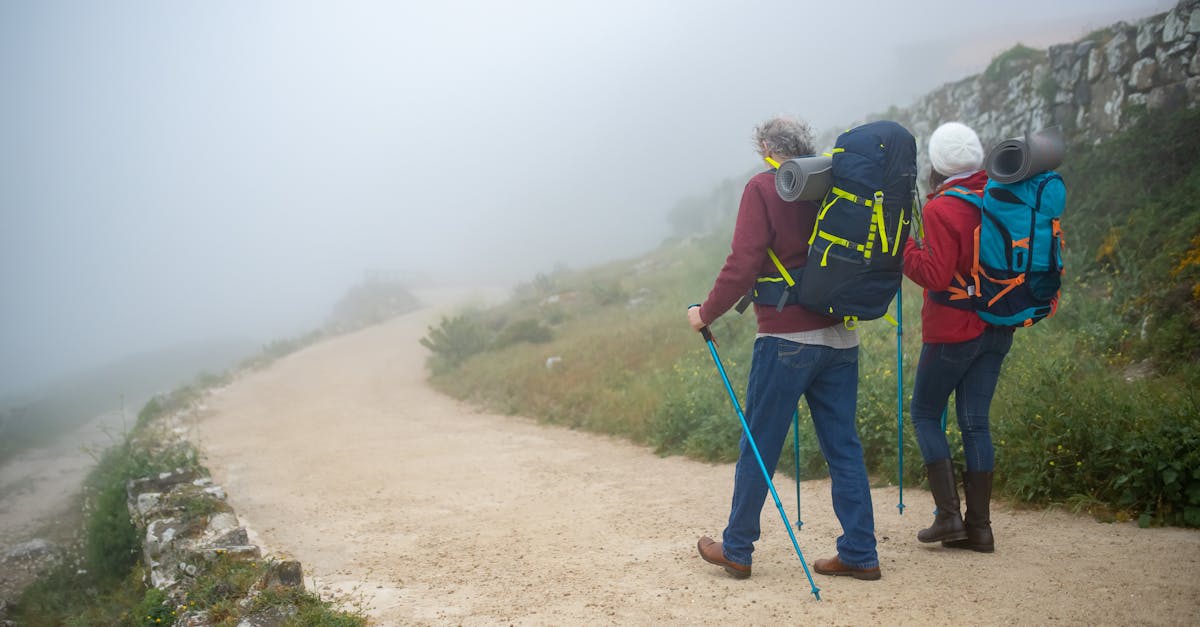
Welcome to the heart of Spain, where ancient stone paths wind through lush green valleys and historic towns, inviting travelers on a journey that is as much about the destination as it is about the path itself. The Camino de Santiago is more than just a hike; it is a centuries-old tradition of pilgrimage that has captivated souls from around the globe for generations. Whether you are drawn by the spiritual significance, the physical challenge, or simply the desire to disconnect from modern life and reconnect with nature, preparing for this iconic trek requires thoughtful planning. In this guide, we will walk you through choosing your perfect route—from the bustling French Way to the scenic Portuguese alternative—along with essential gear tips, packing strategies, and how to navigate the crucial Pilgrim's Credential system to secure your accommodation along the way. Get ready to lace up your boots and discover why so many return home transformed.
Choosing Your Route: From French to Portuguese
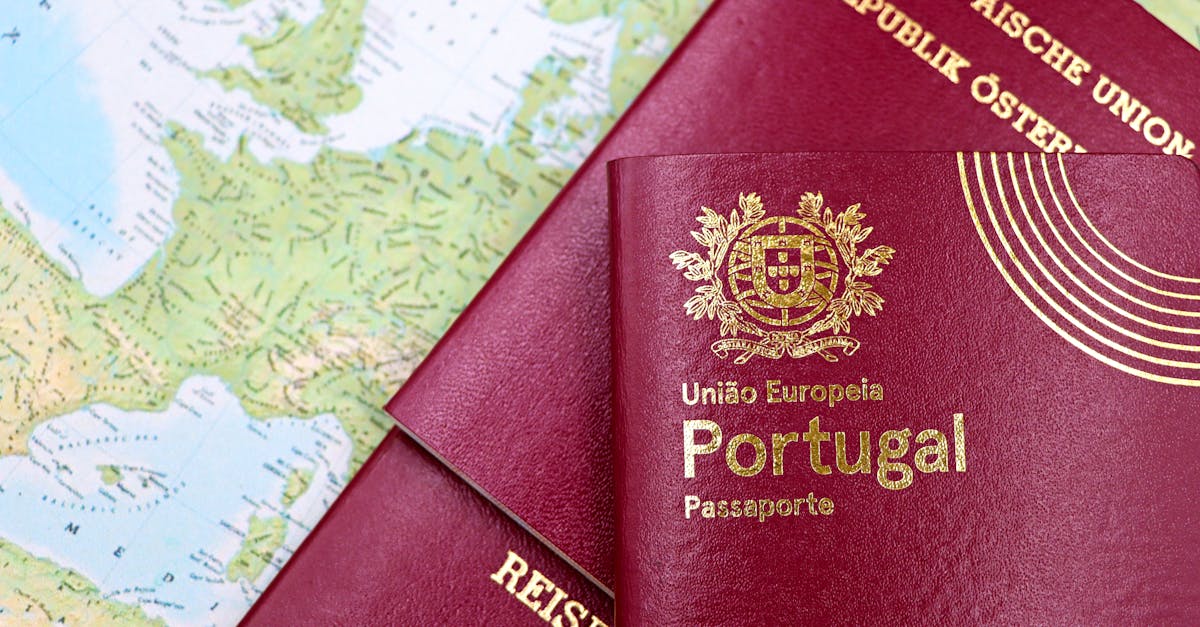
When planning your pilgrimage, the first decision often lies in choosing your starting point, with the French Way (Camino Francés) and the Portuguese Way (Camino Portugués) standing as the two most popular routes. The French Way, traditionally the most traveled path, begins at Saint-Jean-Pied-de-Port in the Pyrenees and offers a historic, bustling atmosphere filled with medieval villages and grand cathedrals, making it ideal for those seeking the classic Camino experience with abundant social interaction. In contrast, the Portuguese route, which can be accessed from Lisbon or Porto, provides a slightly more relaxed pace and a different cultural flavor, showcasing the golden beaches of Galicia's coast or the lush green landscapes of northern Portugal before merging with other paths near Santiago de Compostela.
Selecting between these two paths ultimately depends on your personal preferences regarding scenery, crowd levels, and logistical ease. While the French Way is renowned for its well-marked infrastructure and vast network of albergues, ensuring you will never feel alone on the trail, the Portuguese route is increasingly favored by hikers who prefer a quieter journey through charming towns like Tui and Pontevedra, often featuring shorter daily distances that allow for deeper immersion in local life. Regardless of your choice, both routes offer the spiritual and physical challenge that defines the Camino, culminating in the same magnificent destination: the Cathedral of Santiago de Compostela, where pilgrims are welcomed with open arms regardless of their origin.
 This photo was taken by Marta Branco on Pexels.
Essential Gear and What to Pack
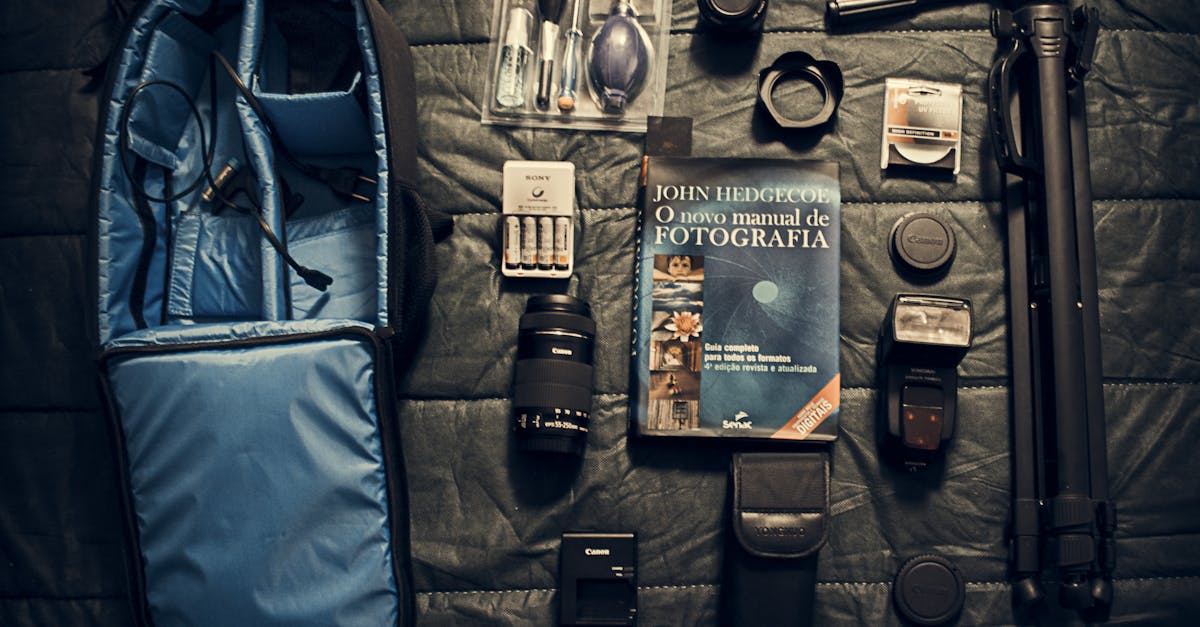
When embarking on the Camino de Santiago, the golden rule of packing is to keep your backpack light, ideally weighing no more than 10% of your body weight, as you will be carrying it for hundreds of kilometers. Your most critical piece of gear is undoubtedly a well-fitted pair of broken-in hiking boots or trail runners; never start your journey with brand-new footwear, as blisters are the enemy of progress. Alongside sturdy shoes, pack moisture-wicking socks and lightweight, quick-dry clothing layers that can adapt to Spain's variable weather, from the humid north to the scorching central plains. Don't forget essential items like a reliable rain jacket, a high-quality sleeping bag liner for albergues (hostels), and a compact first-aid kit with blister plasters.
While modern technology offers convenience, maintaining a balance between digital tools and traditional navigation remains key to an authentic experience. A smartphone with offline maps apps like Wikiloc or the official Pilgrim's App is indispensable for route finding and checking accommodation availability, but consider bringing a physical guidebook or map as a backup in case of battery failure or poor signal in remote areas. For those seeking comfort after long days of walking, a small roll-up towel and earplugs are highly recommended for hostel life, while a reusable water bottle is both economical and eco-friendly given the abundance of public fountains along the way. Finally, remember that laundry facilities are widely available, so you do not need to pack enough clothes for the entire trip—lightweight fabrics that dry overnight are your best friends.
 This photo was taken by Maurício Mascaro on Pexels.
Understanding the Pilgrim's Credential and Accommodation
As you prepare to embark on this spiritual and physical journey, the Pilgrim's Credential (Credencial del Peregrino) is your most essential companion, serving as both a passport and a diary for your trek. You must obtain this document before starting your hike, either from a Spanish pilgrim association, a local church, or even online through the official Camino de Santiago website, and it is crucial to have it stamped daily at cafes, hostels, and churches along the route. These stamps not only validate your status as a genuine pilgrim but are also mandatory to receive the Compostela certificate upon arrival in Santiago de Compostela if you have walked at least the last 100 kilometers or cycled the final 200 kilometers.
Accommodation along the Camino offers a unique blend of simplicity and community, primarily centered around the albergues or pilgrim hostels which provide basic dormitory-style lodging at very affordable rates. While many of these municipal and private albergues require proof of your Credencial to book a bed, they often operate on a first-come, first-served basis during peak season, so arriving early in the afternoon is highly recommended to secure a spot. Beyond the hostels, you will find a variety of private hotels, guesthouses, and rural cottages that offer more privacy and amenities, allowing you to tailor your experience based on your budget and desire for comfort while still immersing yourself in the welcoming spirit of the Camino communities.
 This photo was taken by Ivan S on Pexels.