Hiking the Camino de Santiago: What Every Pilgrim Needs to Know
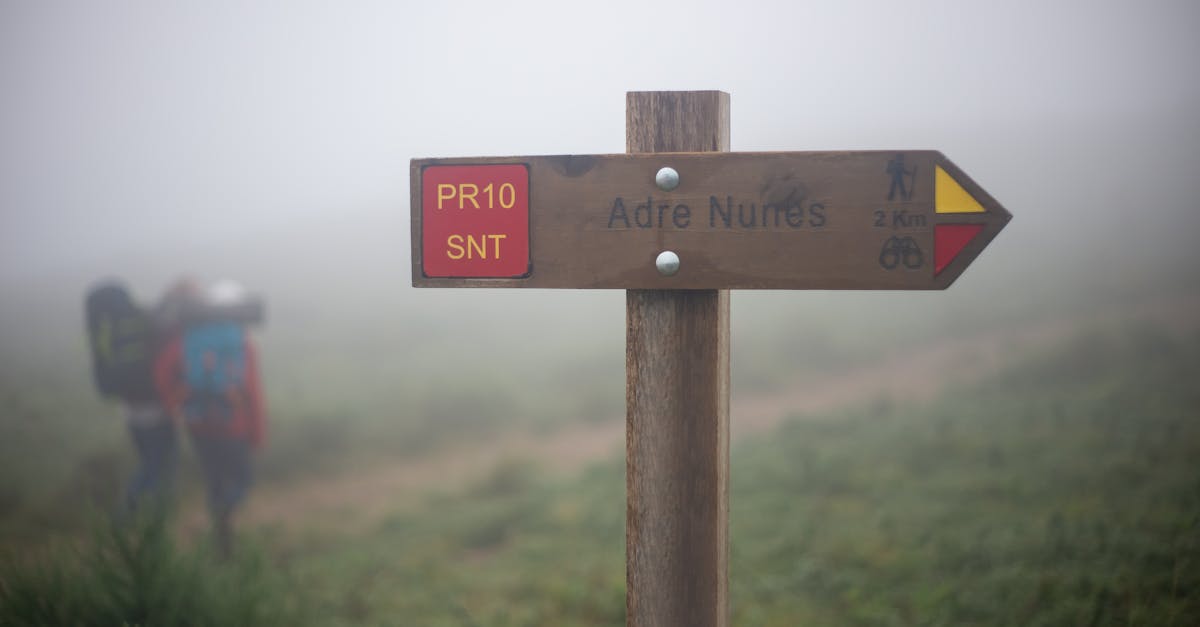 This photo was taken by Kampus Production on Pexels.
Welcome, fellow travelers! As a guide who has walked countless steps along the ancient paths of our beloved Spain, I am thrilled to invite you on one of the world's most transformative journeys: the Camino de Santiago. More than just a hike, this pilgrimage is a profound journey of self-discovery that winds through diverse landscapes, from the green hills of Galicia to the sun-drenched coasts of the north. Whether you are seeking spiritual renewal or simply an unforgettable adventure, preparing for the road ahead is key to a smooth experience. In this post, we will explore how to choose your perfect route, whether it be the historic French Way or the scenic coastal trails; share essential gear and packing strategies to keep you light yet prepared for the long haul; and offer insights into the unique cultural etiquette and charming accommodation options that await every pilgrim. Get ready to lace up your boots and embrace the magic of the Camino!
Choosing Your Route: From the French Way to the Coastal Paths
When embarking on the legendary Camino de Santiago, your chosen route will profoundly shape your spiritual and physical journey. The most iconic path, the Camino Francés, traverses the heart of Spain from Saint-Jean-Pied-de-Port to Santiago de Compostela, offering a rich tapestry of historic cities, rolling hills, and the warm hospitality of countless albergues along the way. This traditional route is perfect for those seeking a deep cultural immersion and a well-documented trail where you will rarely walk alone, but if you crave solitude and dramatic landscapes, the Coastal Paths like the Camino del Norte present a breathtaking alternative. Winding along the rugged northern coast of Spain, this route rewards pilgrims with stunning ocean vistas, charming fishing villages, and a more challenging terrain that demands greater preparation while offering a serene escape from the crowds.
Regardless of which path you select, planning your logistics in advance is essential for a smooth pilgrimage through our beautiful country. The French Way boasts an extensive network of accommodations and clear signage, making it ideal for first-time walkers who want a supportive environment, whereas the coastal variations often require more careful itinerary management due to fewer hostels and varying weather conditions. As your local guide, I recommend considering your fitness level, the time of year you plan to travel, and the specific experiences you wish to have; whether you choose the bustling medieval towns of the interior or the misty, green cliffs of the Atlantic shore, every step brings you closer to the cathedral of Santiago and a transformative experience unique to each pilgrim's spirit.
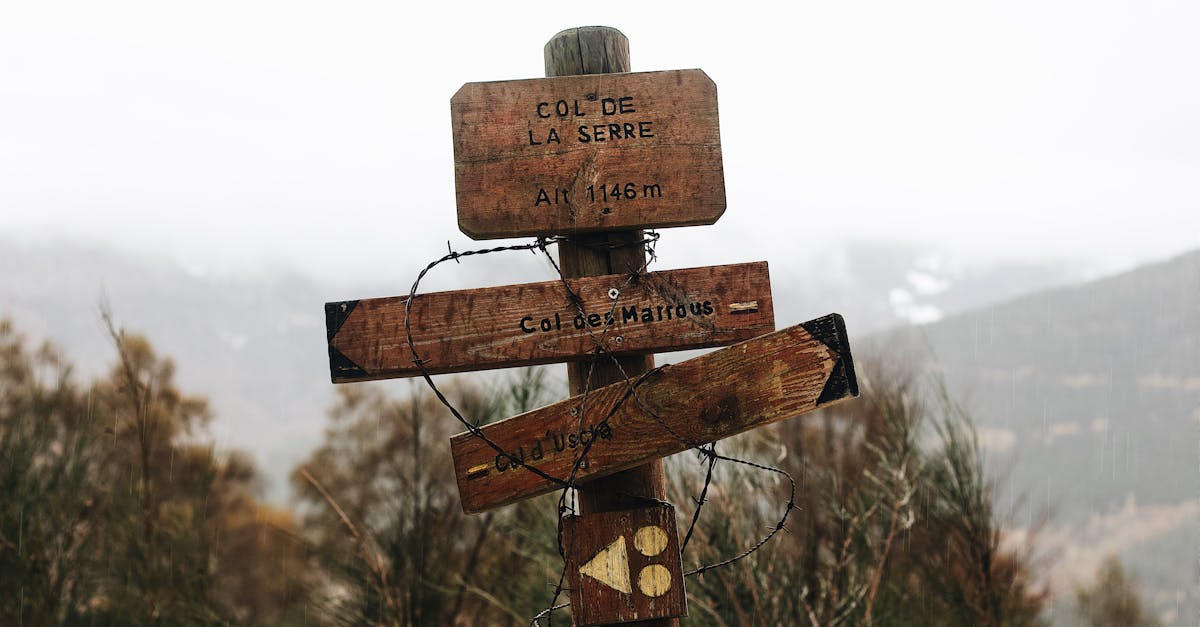 This photo was taken by Maël BALLAND on Pexels.
Essential Gear and Packing Tips for the Long Haul
When embarking on the Camino de Santiago, your backpack is your most critical companion, and mastering the art of minimalism is key to a joyful journey. Start with a high-quality, lightweight pack between 6 and 8 liters capacity, ensuring it has a comfortable hip belt to distribute weight away from your shoulders. The golden rule for pilgrims is to keep your total load under 10% of your body weight; this means leaving behind heavy books, extra shoes, or unnecessary toiletries. Instead of packing for every weather scenario, opt for versatile, moisture-wicking layers and a reliable, breathable rain jacket that can be easily stowed in your pack's side pocket.
Beyond the basics of clothing and shelter, specific gear will significantly enhance your daily comfort along the Spanish trails. A sturdy pair of broken-in hiking boots or trail runners is non-negotiable, as blister prevention is paramount when walking 20 to 30 kilometers a day; bring a small kit containing moleskin, blister pads, and antifungal powder. Don't forget practical accessories like a reusable water bottle with a filter, a compact first-aid kit, and a good sleeping bag liner for albergues, which are often equipped with mattresses but rarely linens. Finally, invest in a reliable power bank and a physical map or offline app, as connectivity can be spotty in rural Galicia and northern Spain, ensuring you stay connected while embracing the digital detox nature of the pilgrimage.
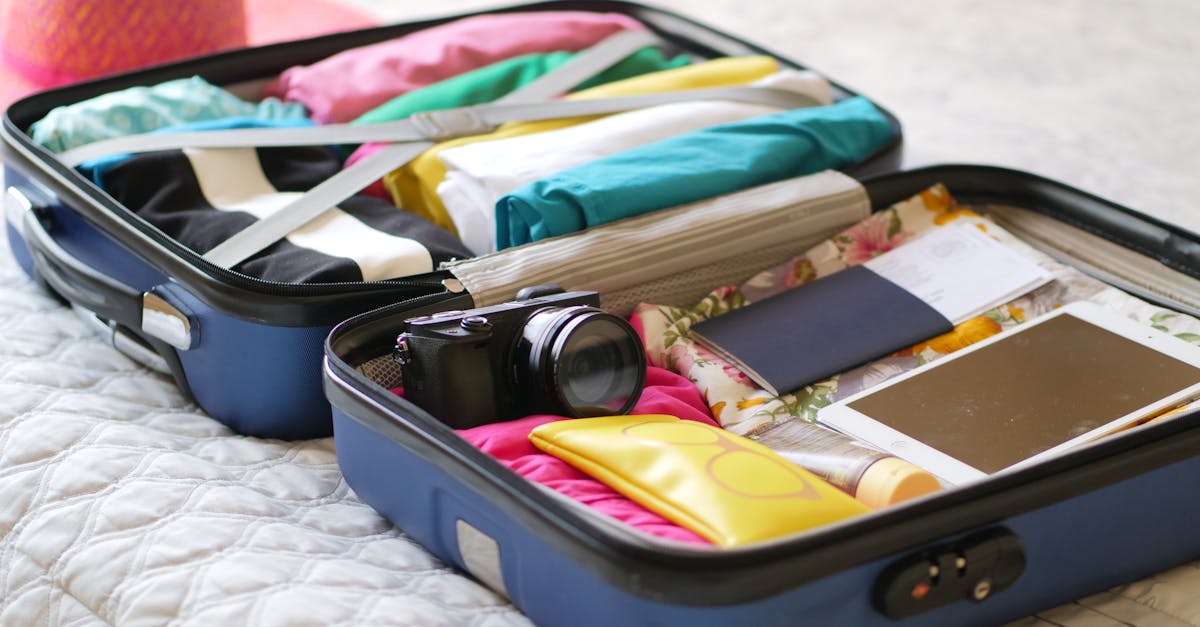 This photo was taken by Kindel Media on Pexels.
Cultural Etiquette and Accommodation on the Camino
Respecting local customs is essential for a harmonious journey along the Camino de Santiago, where the rhythm of life often differs from bustling city centers. In Spain, especially in smaller villages and towns along the route, the day typically pauses for a siesta between 2:00 PM and 5:00 PM, during which many shops close and noise levels are kept low to respect residents' rest time; pilgrims should be mindful to keep their voices down during these hours and avoid waking neighbors early with heavy footsteps or loud gear. Furthermore, embracing the Spanish concept of "sobremesa"—the leisurely conversation enjoyed after a meal—will enhance your interactions with locals and fellow travelers, as rushing through dinner can sometimes be perceived as impolite.
Accommodation on the Camino offers a unique blend of rustic charm and communal living, primarily through the red cross-marked albergues (pilgrim hostels) that dot the path. These budget-friendly shelters provide simple dormitory-style sleeping arrangements, fostering a spirit of camaraderie among pilgrims from all over the world, though it is crucial to bring your own sleeping bag liner or pillowcase as hygiene standards vary and bedding is rarely provided. While some private hotels and guesthouses offer more privacy and comfort at a higher price point, staying in an albergue allows you to fully immerse yourself in the pilgrim tradition, so remember to arrive early to secure a spot, carry a lightweight towel and earplugs, and always clean up your bunk area before departing to maintain the cleanliness of this shared sanctuary.
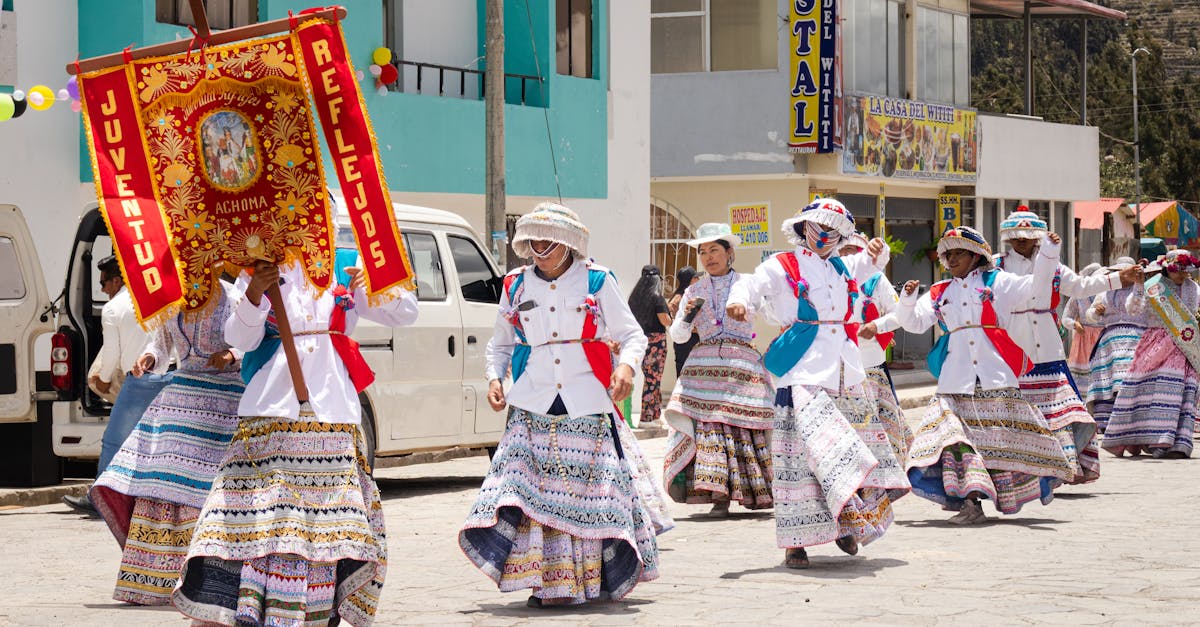 This photo was taken by Ernesto Rosas on Pexels.