Hiking the Camino de Santiago: A Spiritual and Physical Journey
 This photo was taken by Loic Van Montagu on Pexels.
Welcome, travelers! There is something profoundly magical about the ancient stone paths of northern Spain that have drawn pilgrims for over a thousand years. As your local guide, I invite you to step off the beaten track and embark on the Camino de Santiago, a transformative experience where every mile challenges your body while nourishing your soul. Whether you are seeking spiritual renewal or simply a deep connection with nature and history, this journey from the rolling hills of Pamplona to the majestic cathedral of Santiago de Compostela offers more than just a walk; it is a life-changing odyssey. In this post, we will explore how to prepare both physically and mentally for the road ahead, navigate the iconic stages of the route, and uncover the hidden cultural treasures that await at every turn.
Preparing Your Body and Spirit for the Pilgrimage
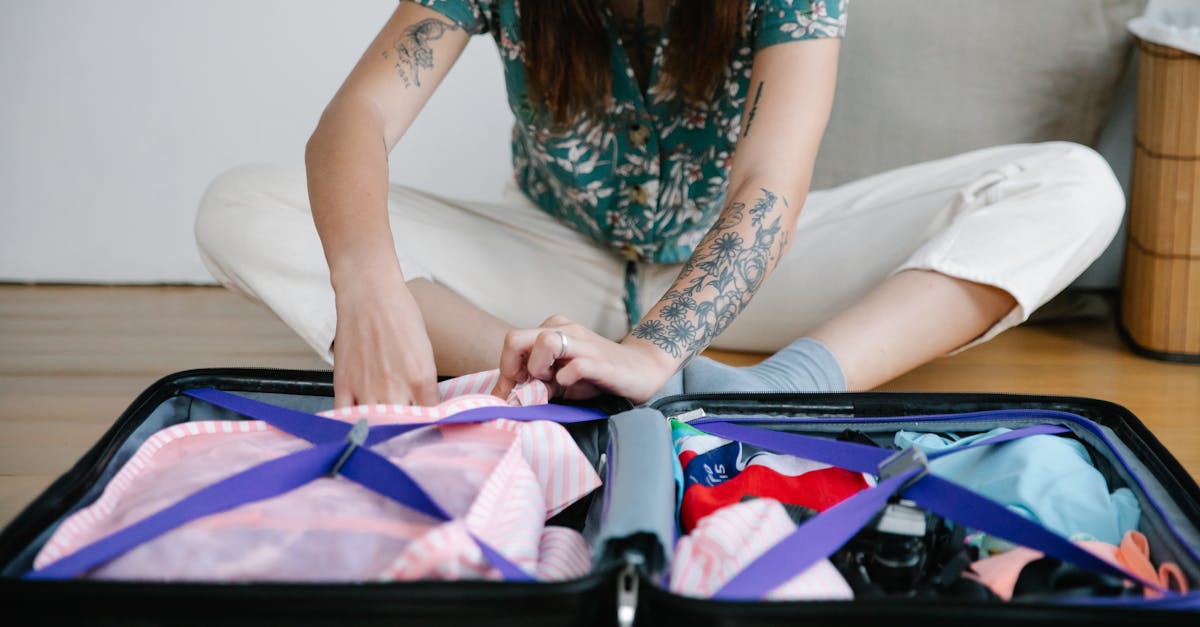
Before embarking on the Camino de Santiago, it is essential to treat your physical preparation with the same reverence as the spiritual journey ahead. Start at least three months in advance by gradually increasing your walking distance, ideally carrying a weighted backpack that mimics the load you will carry on the trail. Focus on strengthening your legs and core while prioritizing foot care, ensuring your boots are broken in thoroughly to prevent blisters that could derail your pilgrimage. Beyond mere fitness, listen to your body's signals; rest days are not signs of weakness but necessary pauses for recovery, allowing your muscles to adapt to the daily 20 to 30 kilometers you will soon traverse across the diverse landscapes of Spain.
Equally important is cultivating the right mindset, as the Camino is often described as a walk of the soul rather than just a trek. Take time to reflect on your personal intentions for the journey, whether seeking clarity, healing, or simply a deeper connection with yourself and the world around you. Consider engaging in mindfulness practices or journaling before you leave home to set an open heart, ready to embrace the unexpected challenges and profound moments of silence that await. By preparing your spirit to let go of modern distractions and ego, you create space for the transformative experiences that define the Camino, turning every step into a meditation and every encounter into a lesson in humility and gratitude.
 This photo was taken by Timur Weber on Pexels.
Navigating the Stages: From Pamplona to Santiago
 This photo was taken by Kader Azra Namuslu on Pexels.
Beyond the Walk: Cultural Treasures Along the Way
Hiking the Camino de Santiago offers far more than just miles of cobblestones and rolling hills; it is a living museum where history unfolds with every step you take. As you traverse the ancient Roman roads, you will stumble upon medieval monasteries that have sheltered pilgrims for centuries, such as the magnificent Cathedral of León or the fortified walls of Puente la Reina, each stone whispering tales of faith and resilience. These cultural treasures are not merely static monuments but active participants in your journey, inviting you to pause, reflect, and connect with the spiritual heritage that has drawn travelers from across the globe since the Middle Ages.
Beyond the architecture, the true soul of the Camino lies in its intangible traditions and the vibrant local customs encountered in every village. You might find yourself sharing a warm meal of tortilla española with fellow walkers in a bustling plaza, listening to the rhythmic strumming of guitars echoing through narrow streets, or witnessing the age-old ritual of stamping your credential at a small parish church. These moments of human connection and cultural immersion transform a physical trek into a profound pilgrimage, revealing the enduring spirit of hospitality and community that defines Spain's most famous path to Santiago de Compostela.
 This photo was taken by Quang Nguyen Vinh on Pexels.