Hiking the Camino de Santiago: A Spiritual and Physical Adventure
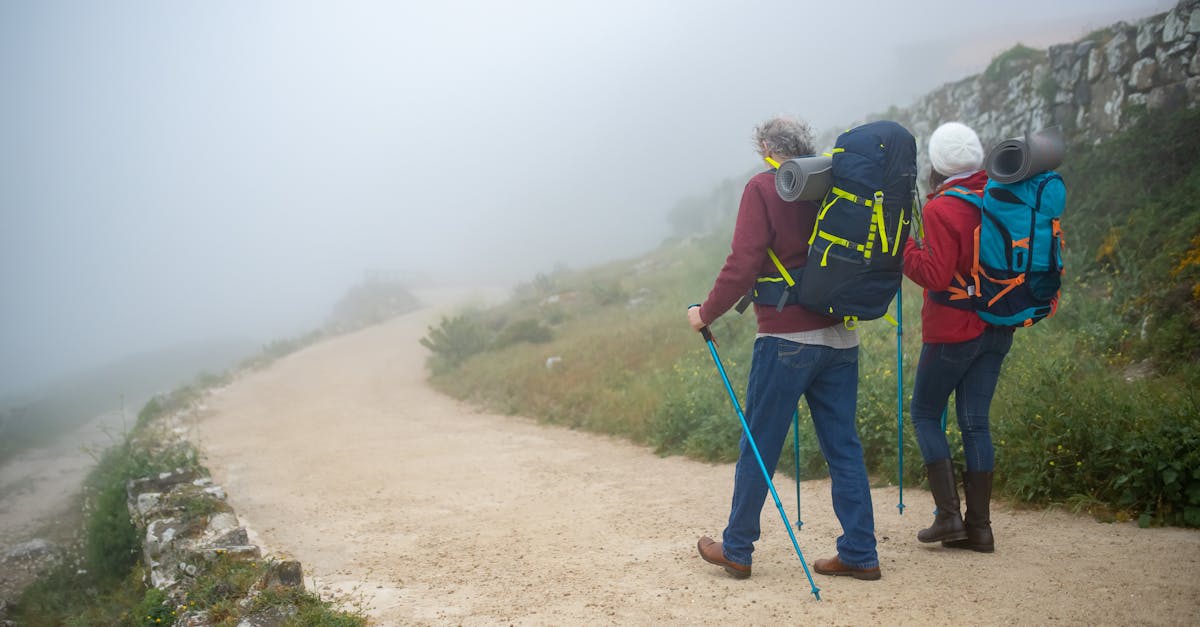 This photo was taken by Kampus Production on Pexels.
Welcome to the heart of Spain, where ancient stone paths wind through rolling hills, vibrant vineyards, and misty forests, inviting you on a journey that transcends mere travel. The Camino de Santiago is more than just a pilgrimage; it is a profound transformation of both body and soul, offering a unique blend of physical challenge and spiritual discovery that has captivated travelers for centuries. Whether you are drawn by the call of St. James or simply seeking a moment of quiet reflection amidst the stunning landscapes of northern Spain, this adventure promises to leave an indelible mark on your life. In this guide, we will explore how to prepare your body and spirit for the road ahead, navigate the diverse routes from the bustling French Way to the serene Portuguese path, and uncover the hidden gems of Spanish villages where rest and deep reflection await.
Preparing Your Body and Spirit for the Journey
Before embarking on the Camino de Santiago, it is essential to treat your body as a vessel that requires careful conditioning and preparation. While you do not need to be an elite athlete, consistent training is crucial; aim for regular walks with a loaded backpack to simulate the daily miles you will cover across the varied landscapes of Spain. Focus on strengthening your legs and core while paying close attention to foot care, as blisters are the most common challenge pilgrims face. Additionally, familiarize yourself with the rhythm of early mornings and long days, ensuring your gear is broken in well before you leave home to prevent discomfort when the journey begins.
Equally important is nurturing your spirit to embrace the transformative nature of this ancient pilgrimage. The Camino is not merely a physical trek but a profound inward journey that demands mental resilience and an open heart. Take time to reflect on your personal motivations, whether they stem from a search for clarity, gratitude, or spiritual renewal, and practice mindfulness to stay present amidst the changing scenery. By cultivating a sense of patience and humility, you allow yourself to fully absorb the camaraderie of fellow travelers and the serene beauty of the Spanish countryside, setting the stage for a truly life-changing experience.
 This photo was taken by Timur Weber on Pexels.
Navigating the Stages: From French to Portuguese Routes
While the French Way remains the most popular and well-signposted path, offering a bustling social atmosphere and abundant amenities, venturing onto the Portuguese Route reveals a more intimate and serene side of the pilgrimage. Starting from Lisbon or Porto, this journey winds through rolling vineyards and historic towns like Tui and Pontevedra, providing a stark yet beautiful contrast to the Pyrenean entry points of the French trail. As you transition between these stages, you will notice that the Portuguese Camino often features fewer hikers, allowing for deeper reflection amidst the lush green landscapes of Galicia's hinterlands, where the rhythm of your steps is accompanied by the gentle rustling of chestnut trees rather than the chatter of large groups.
Navigating the shift from one route to another is seamless, as both converge at the iconic city of Ourense before merging into the final stretch towards Santiago de Compostela. This convergence point serves as a perfect moment to reflect on how each path offers unique spiritual challenges; the French Way tests endurance with its long, steady climbs, while the Portuguese Route challenges the soul with its coastal breezes and quiet villages. Whether you choose the vibrant energy of the French section or the contemplative solitude of the Portuguese start, the journey ensures that every step brings you closer not only to the physical destination but also to a profound personal transformation that defines the true essence of the Camino de Santiago. This photo was taken by 文浩 任 on Pexels.
Finding Rest and Reflection in Spanish Villages
After days of rhythmic walking along the ancient stone paths of the Camino, the small villages scattered across northern Spain offer a sanctuary for both body and soul. These hidden gems, from the whitewashed houses of Andalusia to the timber-framed inns of Galicia, provide more than just a bed; they offer a profound sense of community where locals often greet pilgrims with warm smiles and stories that have been passed down for generations. Stopping here allows travelers to disconnect from the digital world and reconnect with the slow pace of rural life, finding rest in the quiet hum of church bells and the gentle rustle of olive trees, which serves as a perfect counterbalance to the physical demands of the trail.
Beyond mere physical recuperation, these villages invite a deep period of reflection that is central to the spiritual journey of the Camino. The architecture itself, with its weathered chapels and peaceful plazas, creates an atmosphere conducive to introspection, encouraging hikers to ponder their motivations and the lessons learned from the road. Whether sitting in a sun-drenched courtyard sharing a simple meal of local cheese and bread or watching the sunset paint the horizon over rolling vineyards, visitors find a unique space to process their inner thoughts. It is in these tranquil moments, far removed from the noise of modern cities, that the true transformative power of the pilgrimage reveals itself, leaving one refreshed and spiritually renewed.
 This photo was taken by Monstera Production on Pexels.