Hiking the Camino de Santiago: A Spiritual Adventure
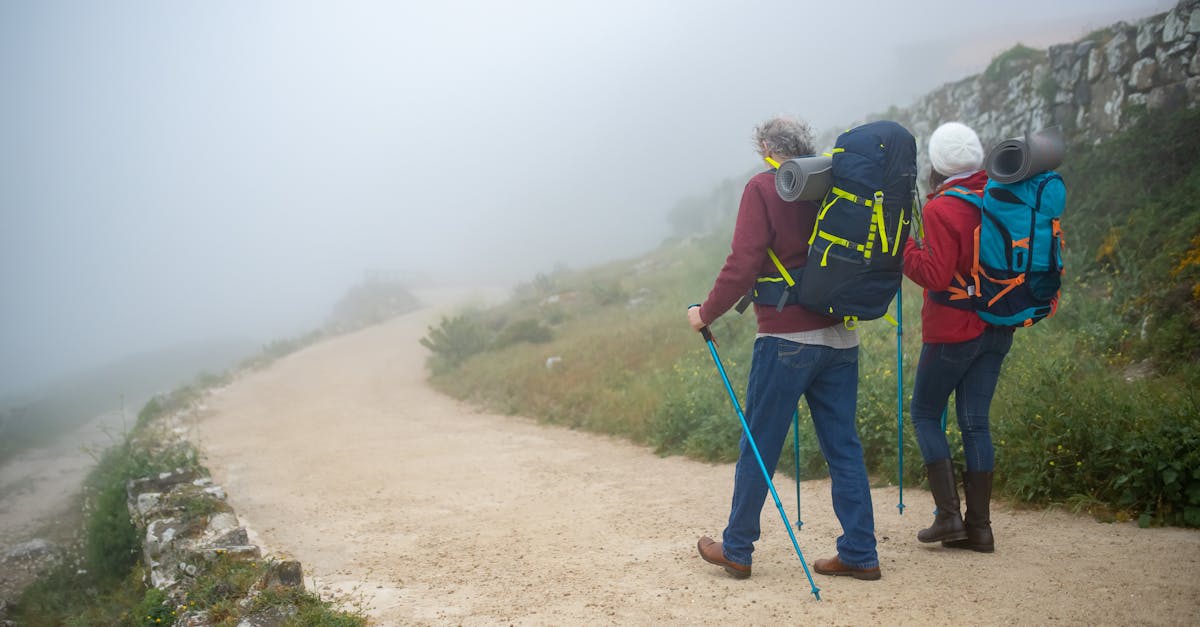 This photo was taken by Kampus Production on Pexels.
Welcome, fellow travelers, to one of the most profound journeys you can undertake in our beautiful Spain. The Camino de Santiago is far more than a physical trek; it is a timeless pilgrimage that has drawn seekers from every corner of the globe for over a millennium. Whether you are walking the famous French Way or seeking your own path, this adventure promises to challenge your body while nourishing your soul. In this post, we will guide you through essential preparations for both your spirit and your gear, lead you off the beaten track to discover hidden gems along the route, and help you understand the deep, transformative power that awaits you upon arriving in the majestic Cathedral of Santiago.
Preparing Your Spirit and Gear for the Journey
Hiking the Camino de Santiago is far more than a physical trek; it is an invitation to shed your daily anxieties and embrace a state of mindful openness. Before you even step onto the cobblestones, take time to cultivate a spirit of humility and curiosity, understanding that the path reveals itself only to those willing to listen. Leave behind rigid itineraries and the need for perfection, replacing them with a willingness to accept the unexpected delays, the changing weather, and the serendipitous encounters that define this ancient pilgrimage. This mental preparation allows you to transform each mile into a meditation, turning the rhythm of your footsteps into a prayer and the landscape around you into a cathedral of nature.
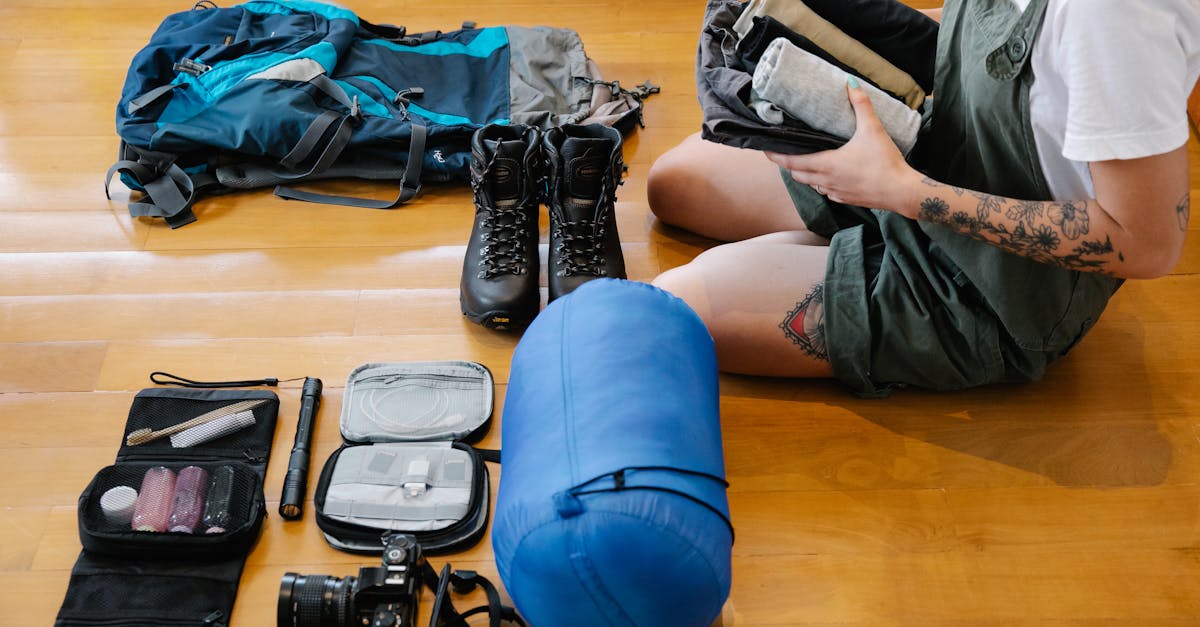
While the journey begins in the heart, your feet require practical readiness to sustain you over hundreds of kilometers. Invest in high-quality, broken-in hiking boots that offer excellent ankle support and breathability, as blister prevention is your first line of defense against exhaustion. Pack light but wisely, adhering to the pilgrim's philosophy that less truly means more: include a durable rain jacket, moisture-wicking layers for Spain's varied microclimates, a reliable sleeping bag liner for albergues, and a sturdy water bottle or hydration bladder. Remember that every gram counts on the trail, so prioritize gear that serves multiple purposes and ensures your body remains comfortable enough to focus on the spiritual transformation awaiting you at every turn.
 This photo was taken by Timur Weber on Pexels.
Discovering Hidden Gems Along the French Way
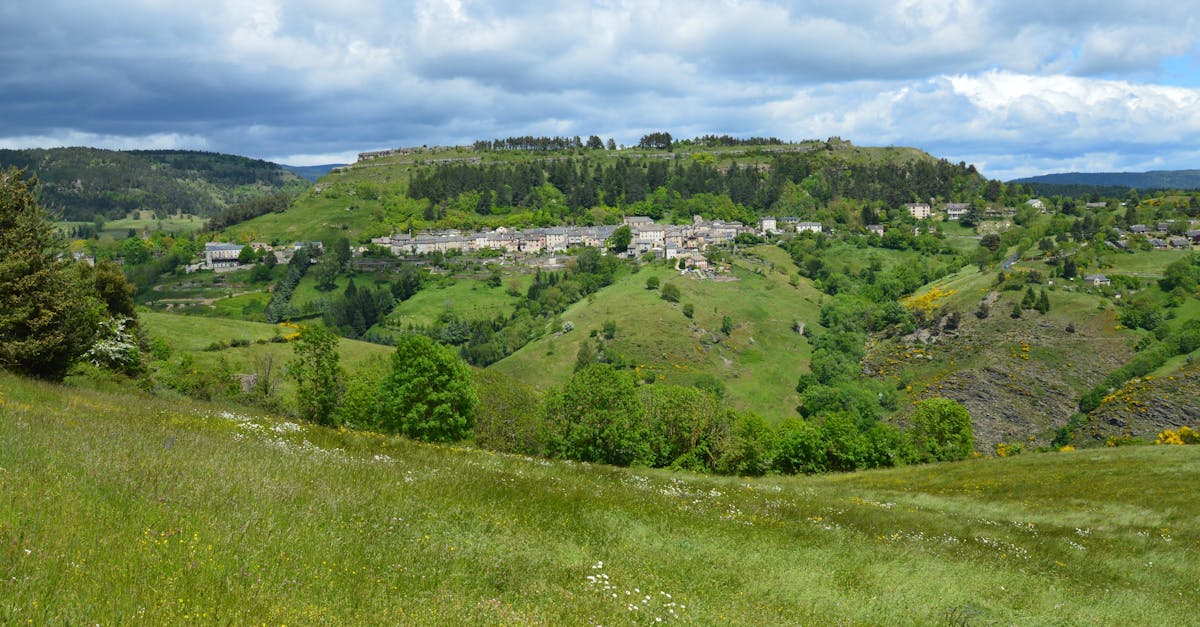
While the bustling towns of Saint-Jean-Pied-de-Port and León often draw the crowds, the true magic of the French Way (Camino Francés) lies in its quiet, lesser-known villages that seem frozen in time. Venture off the main paved path to discover ancient stone hamlets like Belorado or the picturesque riverside town of Frómista, where locals still greet you with a warm "Buen Camino" and offer a glimpse into the authentic rural life of northern Spain. Here, you can wander through cobblestone streets lined with centuries-old Romanesque churches, sip on local Ribera del Duero wines in taverns untouched by mass tourism, and experience the profound silence of the Castilian plains at sunset, far removed from the noise of the pilgrimage's busiest stretches.
These hidden gems also offer unique spiritual moments that deepen the journey's transformative power, often found in small hermitages tucked away in the hills or along the Ebro riverbanks. In places like Aguilar de Campoo or the serene forests near O Cebreiro, the path invites you to slow down and reflect, allowing the landscape itself to become your guide. Whether it is sharing a meal with fellow walkers in a family-run hostel that has welcomed pilgrims for generations or finding a secluded bench beneath an ancient oak tree to meditate, these secret corners provide the perfect sanctuary to reconnect with oneself, reminding us that the Camino is not just about reaching Santiago, but about the profound discoveries made along the way.
 This photo was taken by SlimMars 13 on Pexels.
The Transformative Power of Arriving in Santiago
Arriving in Santiago de Compostela marks the profound culmination of a journey that often begins as a physical challenge but evolves into an internal odyssey. After weeks of walking through the rolling hills of Galicia, crossing ancient stone bridges, and sharing stories with pilgrims from every corner of the globe, stepping onto the Plaza del Obradoiro feels less like reaching a destination and more like entering a new chapter of life. The air here carries a unique weight, thick with history and the collective spirit of those who have walked this path before, transforming the final steps from mere geography into a sacred threshold where the mundane world fades away.
The true magic lies not just in the sight of the majestic cathedral or the misty green landscapes that frame the city, but in the quiet realization that has taken root within you during the trek. This transformative power is palpable as you witness the diverse faces of fellow travelers, united by a common goal yet carrying their own unique burdens and hopes, all converging to find peace under the shadow of the apostle's tomb. Whether you choose to receive the Compostela certificate or simply stand in awe of the architecture, the experience leaves an indelible mark, reshaping your perspective on resilience, community, and the simple beauty of being present in the moment.
 This photo was taken by Nikolai Kolosov on Pexels.