Hiking Through the Picos de Europa: Nature's Masterpiece
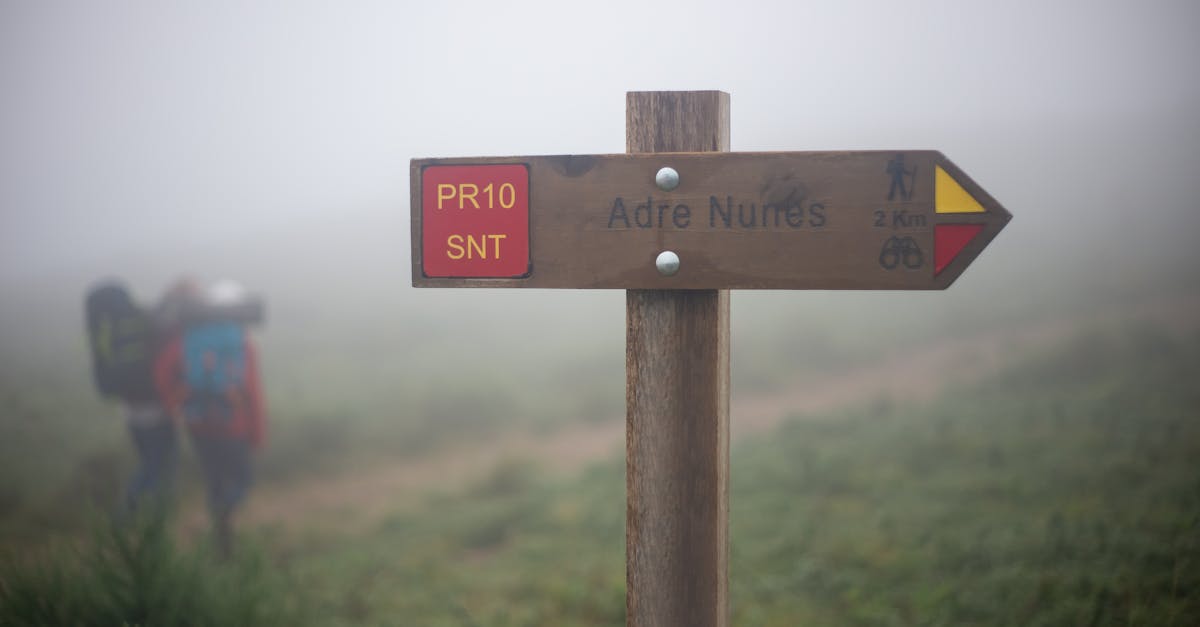 This photo was taken by Kampus Production on Pexels.
¡Hola, viajeros! Welcome to the heart of northern Spain, where the rugged Pyrenees give way to a spectacular landscape that has captivated explorers for centuries. The Picos de Europa is not merely a mountain range; it is a breathtaking masterpiece carved by ancient glaciers and rivers, standing as a majestic testament to nature's raw power and beauty. Whether you are an experienced mountaineer seeking the challenge of high-altitude trails or a family looking for gentle walks amidst lush green valleys, this national park offers an unforgettable adventure. In this post, we will guide you through the three distinct massifs that define this region, introduce you to the unique wildlife and flora that call these heights home, and share essential tips to ensure your hiking journey is both safe and memorable. Get ready to lace up your boots and discover why the Picos de Europa remains one of Europe's most stunning destinations.
The Majestic Peaks: A Guide to the Three Massifs
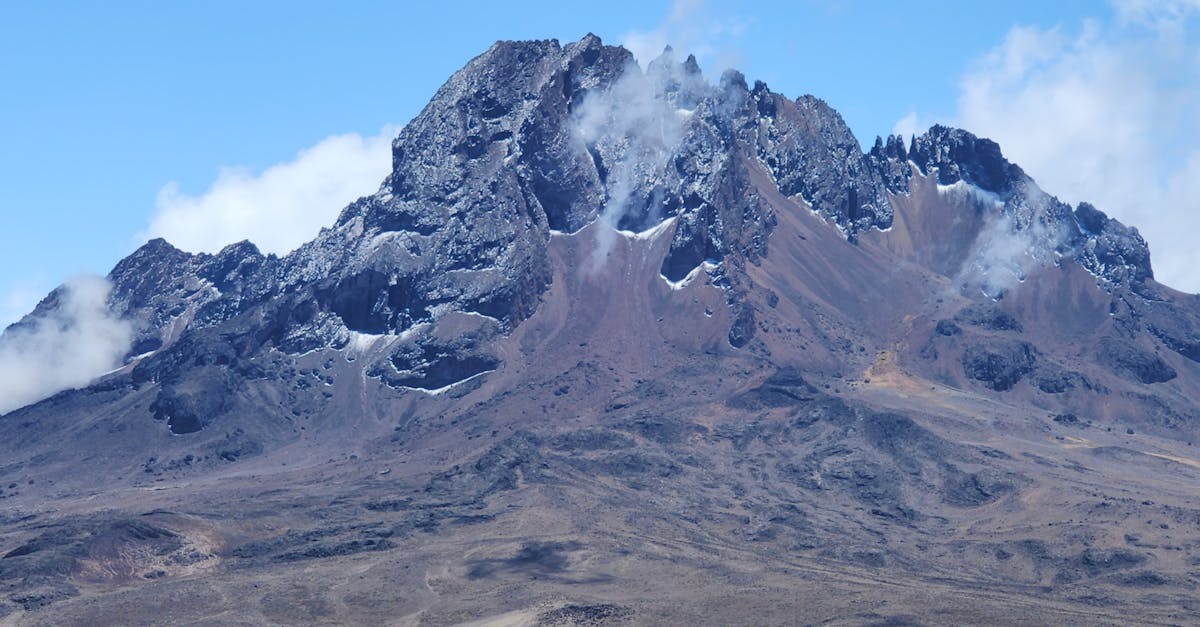
As you step onto the rugged trails of the Picos de Europa, you are immediately embraced by the grandeur of its three distinct massifs: the Western (Cornión), Central (Urrieles), and Eastern (Mármol). The Western massif is a haven for those seeking deep valleys and the iconic Naranjo de Bulnes peak, offering a challenging yet rewarding ascent that reveals ancient limestone formations sculpted over millennia. Meanwhile, the Central massif stands as the heart of the range, boasting the highest elevations in Spain outside of the Pyrenees and providing breathtaking panoramic views from the Mirador de Curavacas, where the dramatic vertical walls seem to touch the sky.
The Eastern massif offers a slightly different character, known for its vast plateaus and the serene beauty of the Fuente Dé cable car route, which transports hikers directly into an alpine landscape dotted with grazing cows and wildflowers. Whether you choose the steep, technical climbs of the Cornión or the more accessible, scenic paths of the Mármol, each massif presents a unique chapter in nature's masterpiece, inviting you to explore hidden grottos, crystal-clear mountain lakes, and diverse ecosystems ranging from lush green meadows to stark, rocky summits. No matter your fitness level, these majestic peaks promise an unforgettable adventure through one of Europe's most spectacular natural landscapes.
 This photo was taken by Walter Coppola on Pexels.
Wildlife and Flora: Discovering the Picos' Unique Ecosystems
As you ascend the limestone ridges of the Picos de Europa, you are stepping into a living gallery where ancient flora thrives in one of Europe's most dramatic landscapes. The air is crisp and filled with the scent of wild thyme, juniper, and the rare alpine orchids that bloom only during the short summer months. Here, the vegetation changes dramatically with altitude; from the lush beech forests clinging to the valley floors to the resilient heather and dwarf pines that paint the higher slopes in vibrant hues of purple and green, every step reveals a botanical treasure trove unique to this Cantabrian paradise.
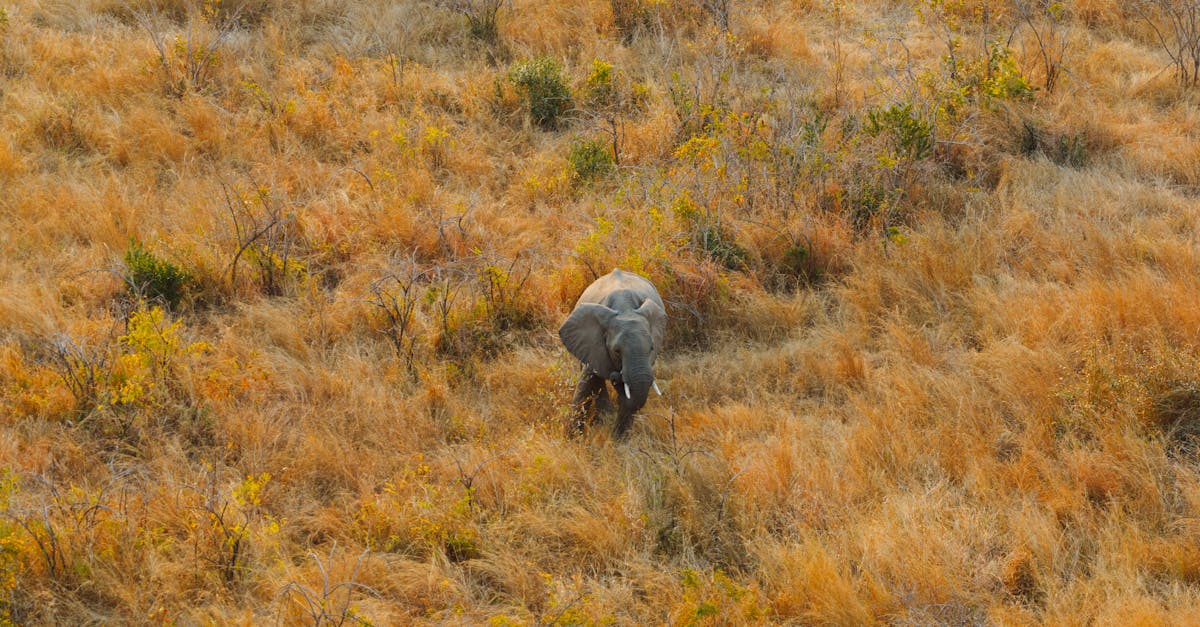
Beyond the plant life, the mountains serve as a vital sanctuary for some of Spain's most iconic wildlife, including the elusive brown bear, the majestic Iberian ibex, and the golden eagle soaring effortlessly above the peaks. These animals have adapted perfectly to the rugged terrain, often spotted grazing on steep meadows or nesting in inaccessible cliffs, offering hikers unforgettable encounters if they tread quietly and respectfully. This harmonious coexistence between diverse species and their challenging environment creates an ecosystem that feels untouched by time, making every hike through the Picos not just a physical journey, but a profound connection with nature's raw and untamed beauty.
 This photo was taken by K on Pexels.
Essential Trails and Tips for Your Adventure
When you lace up your boots to explore the Picos de Europa, you are stepping into a rugged limestone labyrinth that offers some of Spain's most dramatic hiking experiences. The classic route through the Cares Gorge, known as the "Devil's Path," is an absolute must-do, winding 12 kilometers along a narrow ledge carved by the Rio Cares with sheer cliffs plunging thousands of feet below; while challenging, the reward is unparalleled views of emerald valleys and cascading waterfalls. For those seeking higher elevations, the ascent to Naranjo de Bulnes (Picu Urriellu) provides a breathtaking challenge for seasoned trekkers, but don't overlook the gentler yet equally stunning trails in the Sotres area, where traditional stone villages nestled in green pastures offer a perfect blend of culture and nature.
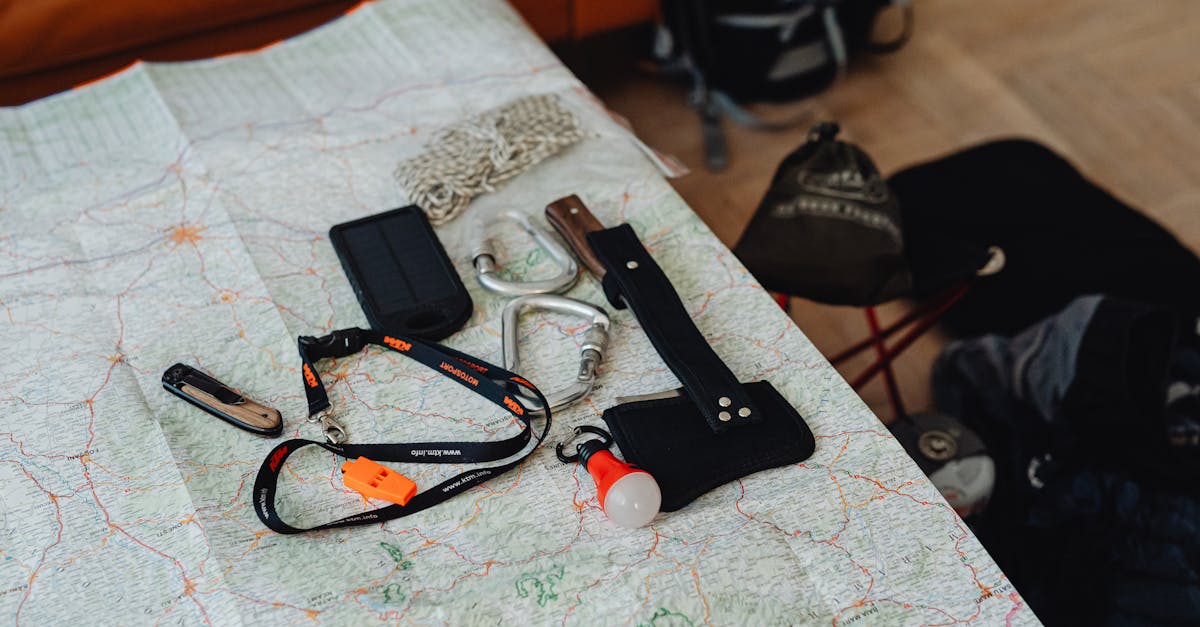
To make the most of your adventure, timing is everything: aim for late spring or early autumn when the wildflowers bloom or the air turns crisp, avoiding the scorching summer heat that can make high-altitude sections treacherous. Always check the weather forecast rigorously, as conditions in the mountains can shift from sunny to foggy within minutes, and ensure you carry layers, plenty of water, and sturdy footwear regardless of the season. Remember that many trails require permits during peak times, so book your accommodation in advance in towns like Potes or Posada de Valdeón, and respect the local wildlife by keeping a safe distance from grazing cows and protecting the pristine environment that makes this national park such a masterpiece.
 This photo was taken by www.kaboompics.com on Pexels.