Gastronomy Beyond Food: The Social Heart of Spanish Dining
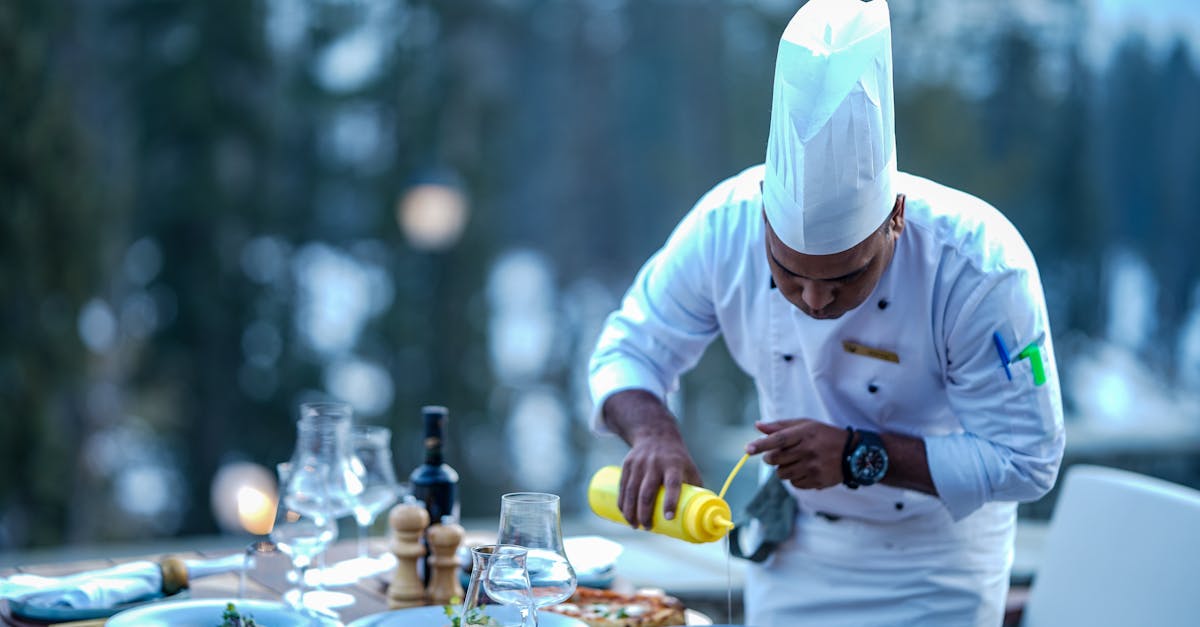 This photo was taken by Syed Qaarif Andrabi on Pexels.
Welcome to the vibrant soul of Spain, where dining is far more than a mere act of sustenance; it is a profound celebration of life itself. As your guide through this incredible country, I invite you to look beyond the exquisite flavors of our paella or the delicate notes of our jamón ibérico. In Spain, the table is a sacred space where time slows down, relationships are forged, and community thrives. Whether you are wandering through bustling tapas bars in Seville or sharing a quiet meal with family in a rural village, you will discover that the true essence of Spanish cuisine lies not just on the plate, but in the connections we make while eating. Join me as we explore the art of lingering conversation, the communal magic of tapas culture, and the timeless rituals that begin at the market and end with stories shared around the dinner table.
The Art of the Sobremesa: Why Conversation Outlasts the Meal
In Spain, the meal is merely the prelude to the true event: the sobremesa. While travelers from around the globe often rush through their courses to get to the next activity, locals understand that the most vital part of dining occurs long after the plates have been cleared and the last sip of wine has been savored. This lingering period, where conversation flows as freely as the sherry or sangria, transforms a simple lunch or dinner into a profound social ritual. It is in these golden hours that families reconnect, friends debate politics over tapas, and business deals are sealed not with contracts, but with shared laughter and stories that stretch late into the afternoon.
Embracing the art of the sobremesa offers visitors a unique window into the Spanish soul, revealing that food here serves as a catalyst for connection rather than just sustenance. Whether you are sitting on a bustling plaza in Seville or a quiet terrace in Galicia, you will notice that time seems to slow down during this phase; it is a deliberate pause in the day dedicated entirely to human interaction. To truly experience the heart of Spanish gastronomy, one must learn to embrace this unhurried pace, leaving the table empty only when the conversation naturally winds down, understanding that the memories created in those moments often outlast the flavors of the finest paella or jamón ibérico.
 This photo was taken by Jean-Paul Wettstein on Pexels.
Tapas Culture: A Social Glue That Connects Communities
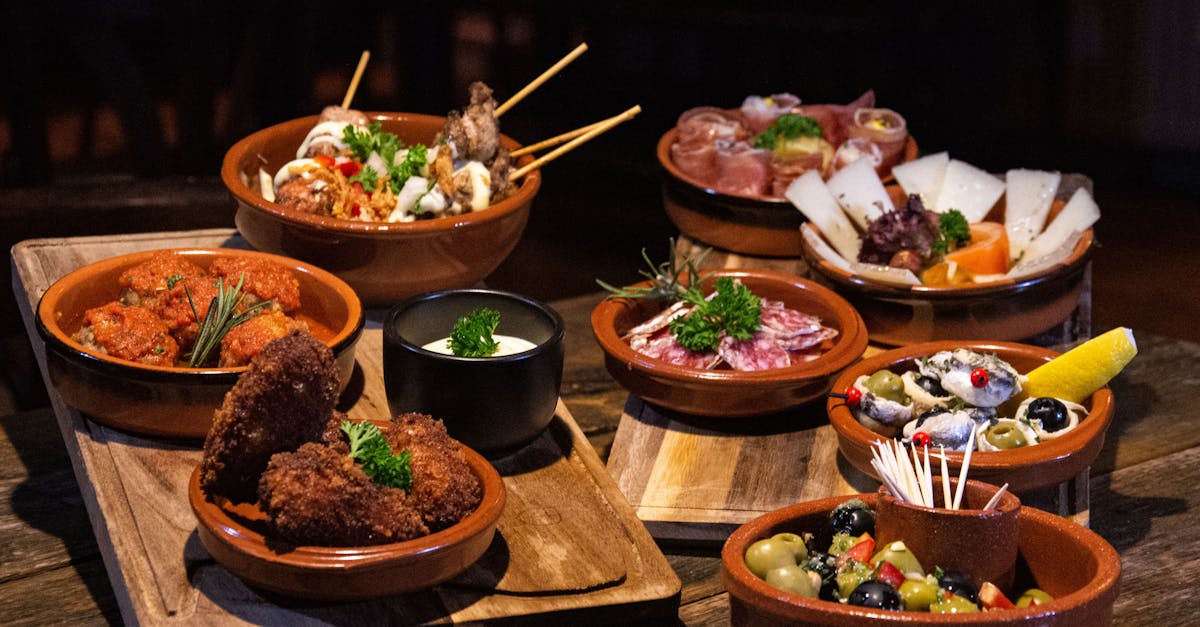
In Spain, the tapas bar is far more than a mere establishment for quick bites; it serves as the vibrant living room of the community where social bonds are forged and strengthened. Unlike formal dining elsewhere, the culture of picoteo encourages a fluid movement between friends, family, and neighbors, transforming a simple evening meal into an extended conversation that can last for hours. Whether standing shoulder-to-shoulder at a crowded counter in Barcelona or sitting at a small wooden table in Seville, the act of sharing small plates creates an intimate atmosphere where status dissolves and genuine connection flourishes.
This culinary tradition acts as a powerful social glue, bridging generational gaps and fostering a deep sense of belonging among locals and visitors alike. The ritual of ordering one dish to share while passing around drinks embodies the Spanish philosophy that life is best enjoyed together, turning every meal into a collective celebration rather than a solitary event. From the lively chatter echoing through narrow alleyways to the shared laughter over a plate of patatas bravas, these moments weave a rich tapestry of community identity, proving that in Spain, the true flavor of gastronomy lies not just on the plate, but in the company gathered around it.
 This photo was taken by Bas Linders on Pexels.
From Market to Table: The Rituals That Bind Spanish Families
Begin your morning in the vibrant chaos of a local mercado, where the air is thick with the scent of ripe tomatoes, fresh bread, and cured jamón ibérico. For Spanish families, this daily pilgrimage to the market is far more than a chore; it is a sacred ritual that anchors their day and connects them to the land. Here, generations gather to select ingredients not just for sustenance, but for the stories they tell, with grandmothers teaching grandchildren how to pick the perfect olive or how to negotiate with the fishmonger. This tactile engagement with food transforms simple groceries into a shared language of care, ensuring that every meal prepared later carries the weight of tradition and the freshness of the moment.
As the sun sets, these carefully chosen ingredients converge on the family table, where dining becomes a communal theater rather than a hurried necessity. The Spanish approach to eating defies the rush of modern life, stretching meals over hours filled with animated conversation, laughter, and the passing of dishes from hand to hand. It is within this extended time at the table that the true social heart of Spain beats strongest, binding relatives together through the act of breaking bread and sharing wine. Whether in a bustling tapas bar or a quiet home kitchen, the ritual serves as a powerful reminder that in Spain, we do not simply eat to live; we live to eat and connect.
 This photo was taken by Erik Mclean on Pexels.