From Paella to Patatas Bravas: A Beginner's Guide to Spanish Cuisine
 This photo was taken by Jean-Paul Wettstein on Pexels.
Welcome to the vibrant heart of Spain, where every meal tells a story and every bite is an invitation to celebrate. As your local guide, I am thrilled to introduce you to the soul of our gastronomy in "From Paella to Patatas Bravas: A Beginner's Guide to Spanish Cuisine." Far more than just food, Spanish dining is a way of life that brings families and friends together around shared plates. In this journey, we will unravel the magic of the iconic tapas culture, exploring how these small bites are about connection rather than mere snacking. We'll travel across the peninsula to discover distinct regional treasures, from the fresh Atlantic seafood of Galicia to the rich, savory meats of Extremadura. Finally, no culinary adventure would be complete without indulging in our essential desserts and drinks that perfectly round off any feast. Get ready to awaken your senses as we dive into the delicious traditions that make Spain a world-class destination.
The Iconic Tapas Culture: More Than Just Snacks
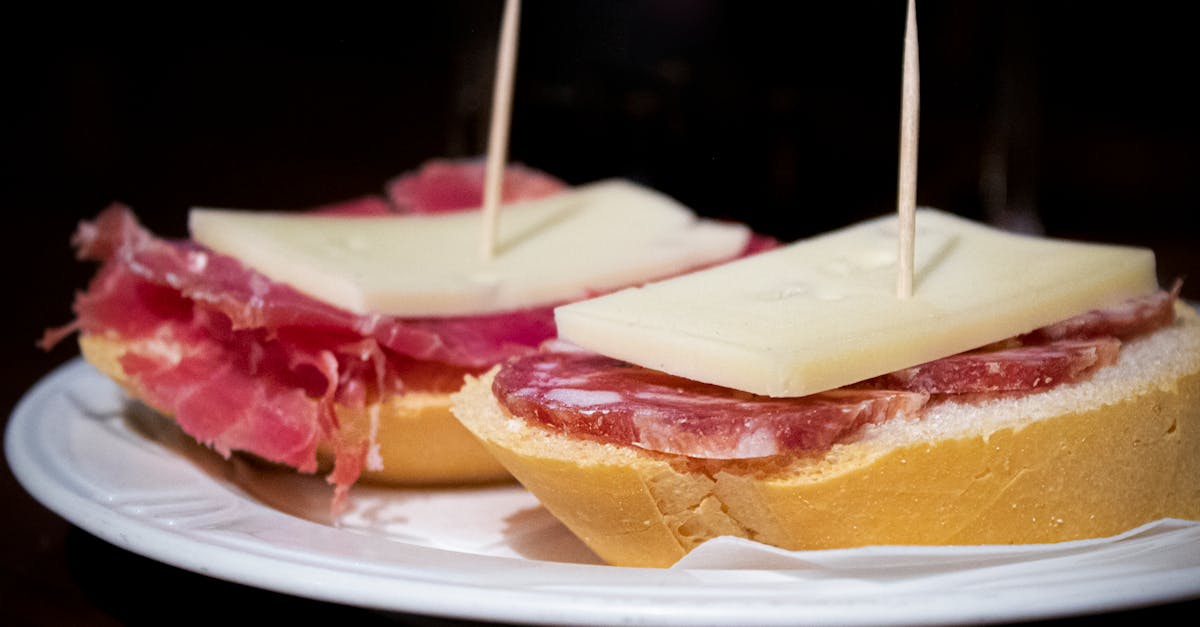
Tapas in Spain are far more than mere appetizers; they represent a profound social ritual that binds communities together and defines the rhythm of daily life. Originating as small plates served with wine to accompany drinks, this tradition has evolved into an art form where variety is key. Whether you are exploring the bustling bars of Seville or the historic streets of San Sebastián, the act of "ir de tapas" involves hopping from one establishment to another, savoring a different bite at each stop while engaging in lively conversation. This cultural practice transforms dining into a shared experience, emphasizing connection over consumption and allowing visitors to taste a wide array of flavors without committing to a full meal immediately.
The diversity found within this culinary landscape is staggering, ranging from simple classics like jamón ibérico and olives to elaborate creations such as gambas al ajillo or creamy pulpo a la gallega. Each region boasts its own signature interpretations, reflecting local ingredients and traditions that have been perfected over centuries. For the traveler, embracing tapas culture means stepping off the beaten path of standard restaurant service and immersing oneself in the authentic Spanish way of living. It is an invitation to slow down, appreciate the craftsmanship behind every dish, and understand that in Spain, food is not just sustenance but the very heartbeat of social interaction and national identity.
 This photo was taken by Regina Tommasi on Pexels.
Regional Specialties: From Seafood in Galicia to Meat in Extremadura
Venturing north to Galicia, the culinary landscape transforms into a vibrant celebration of the Atlantic's bounty, where fresh seafood takes center stage in dishes like pulpo á feira (octopus with paprika and potatoes) and delicate mariscos served in rustic ceramic bowls. The region's reputation for high-quality shellfish is unmatched, offering everything from succulent prawns to tender clams that are often simply grilled over open flames to preserve their natural sweetness. Meanwhile, traveling south to Extremadura reveals a starkly different yet equally captivating gastronomic identity rooted in its rich pastoral traditions; here, the focus shifts dramatically to world-renowned meats, particularly the award-winning Ibérico pork. This unique breed, raised on acorns in vast oak forests, produces ham known as jamón ibérico de bellota, which is celebrated for its deep, nutty flavor and buttery texture that melts on the tongue, serving as the cornerstone of countless local tapas and hearty stews.
 This photo was taken by Nomad Photographer on Pexels.
Essential Spanish Desserts and Drinks to Complete Your Meal
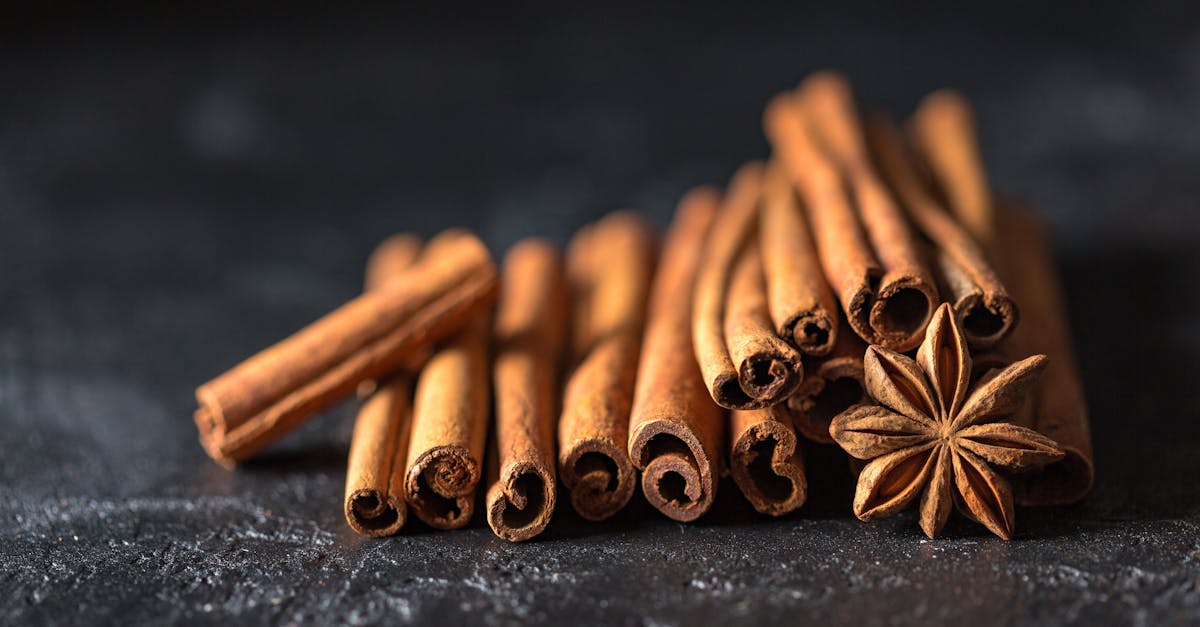
No Spanish meal is truly complete without a sweet finale that reflects the country's rich culinary heritage, starting with the iconic crema catalana from Catalonia. This silky custard topped with a caramelized sugar crust offers a delightful contrast of textures and flavors, often infused with lemon zest or cinnamon to awaken the palate. For those with a taste for chocolate, churros con chocolate are an indispensable treat; these fried dough sticks served in a thick, warm mug of hot drinking chocolate provide a comforting warmth that pairs perfectly with coffee or milk, making them a beloved option for both breakfast and dessert across the nation.
Beyond sweets, Spain boasts a vibrant culture of digestifs and beverages designed to cap off your dining experience elegantly. After enjoying your savory dishes, locals frequently savor a glass of licor de café or a shot of aguardiente, a potent spirit distilled from wine or grapes that aids digestion while offering a robust finish. Alternatively, you might opt for a refreshing ternera (though this is less common) or simply enjoy a classic tinto de verano if the evening is still warm, mixing red wine with lemon soda for a light, fruity sipper. Whether you choose a traditional liqueur or a modern craft beer, these drinks are essential elements that round out the authentic Spanish gastronomic journey.
 This photo was taken by Pixabay on Pexels.