Foodie Paradise: Mastering the Art of Spanish Breakfast
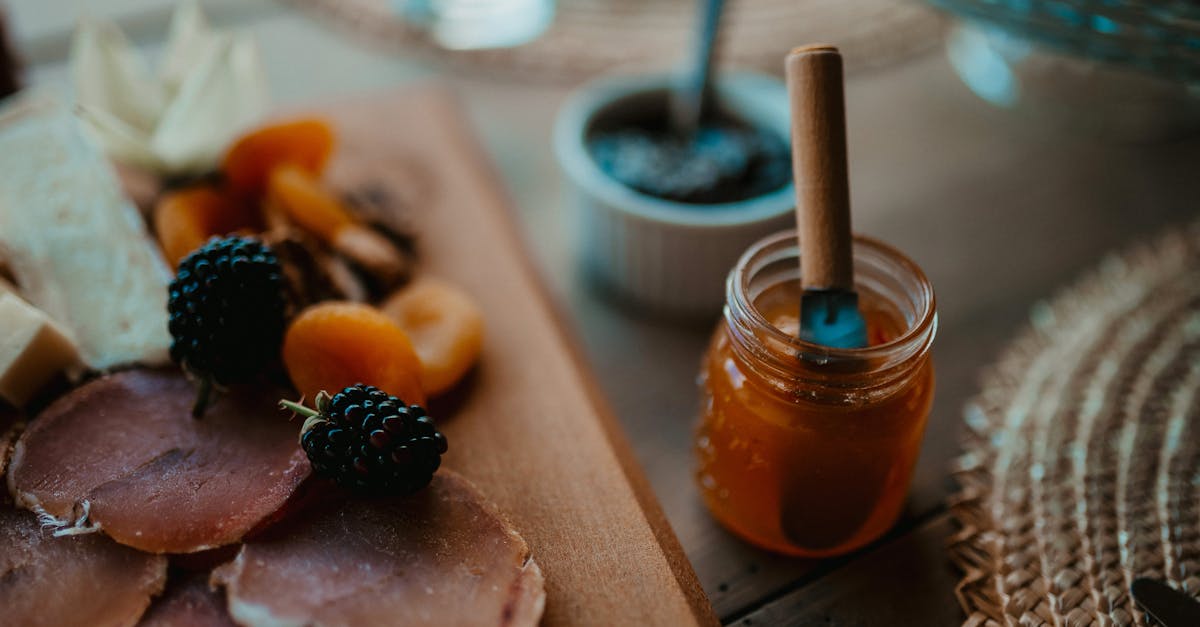 This photo was taken by Jonathan Borba on Pexels.
Buenos días, travelers! There is nothing quite like waking up in Spain to the aroma of fresh coffee and the promise of a culinary adventure that sets the tone for your entire day. While many associate Spanish cuisine with late-night tapas or leisurely lunches, the morning meal here is a vibrant ritual steeped in tradition, regional pride, and simple, high-quality ingredients. From the rustic comfort of toasted bread rubbed with ripe tomato to the sweet indulgence of churros dipped in thick chocolate, our mornings are a delightful exploration of flavors that change as you travel from the green hills of the Basque Country to the sun-drenched plazas of Andalusia.
In this post, we will guide you through the essential trio every visitor must try, uncover the delicious regional variations that define local breakfast culture, and share the insider secrets on timing your meal to truly eat like a local. So, grab your fork and get ready to master the art of the Spanish breakfast—it's time to start your day the way the locals do!
The Essential Trio: Pan con Tomate, Churros, and Café con Leche
Start your culinary journey in Spain with the iconic trio that defines the morning ritual: pan con tomate, churros, and café con leche. Nothing beats the simplicity of freshly toasted bread rubbed with ripe tomato and a drizzle of extra virgin olive oil, a dish known as "pa amb tomàquet" in Catalonia or "pan con tomate" elsewhere, which serves as a savory anchor to any breakfast table. For those with a sweeter tooth, dipping crispy, golden churros dusted with sugar into thick, rich hot chocolate is an indulgent tradition found from Madrid's historic cafes to coastal towns, offering a perfect balance of textures and flavors that wakes up the senses.
Completing this essential trifecta is the ever-present café con leche, a comforting blend of strong espresso and steamed milk that acts as the liquid soul of Spanish mornings. Whether enjoyed while people-watching on a bustling plaza or sipped quietly at a local bar counter, this warm beverage provides the energy needed to explore cobblestone streets and historic sites. Mastering this combination of savory toast, sweet fried dough, and creamy coffee is not just about eating; it is about embracing the slow, social pace of life that makes Spain a true foodie paradise for every traveler.
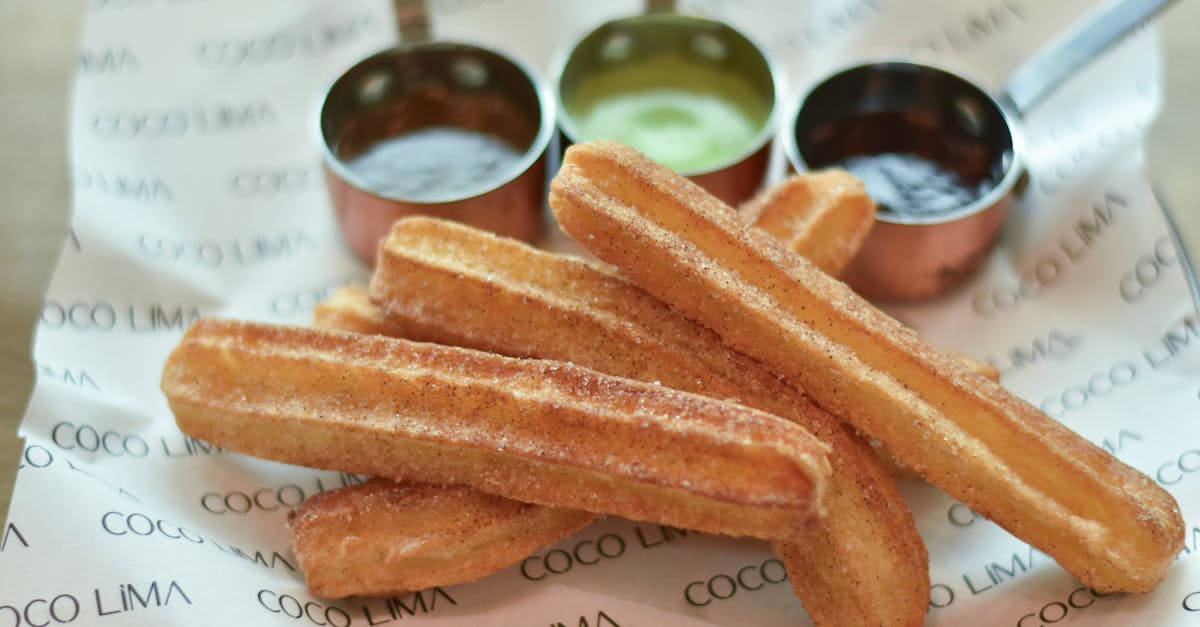 This photo was taken by pipop kunachon on Pexels.
Regional Variations: From Basque Pintxos to Andalusian Tortilla
While the concept of a standardized Spanish breakfast may seem elusive to international visitors, the reality is a vibrant tapestry woven from distinct regional traditions that reflect local history and agriculture. In the north, specifically within the Basque Country, the morning ritual often centers around pintxos—exquisite small bites perched on bread, featuring ingredients like anchovies, jamón ibérico, or fresh seafood, best enjoyed with a glass of txakoli in bustling bars rather than at home. Conversely, travelers venturing south to Andalusia will find that the day frequently begins with something far more substantial yet simple: a tortilla de patatas, a thick egg and potato omelet served warm alongside a steaming cup of café con leche, embodying the region's hearty, rustic approach to fueling up before the siesta.
This culinary diversity extends far beyond these two examples, offering a "foodie paradise" where every autonomous community boasts its own unique morning delicacies. From the sweet, buttery ensaimadas of Mallorca to the savory churros dipped in thick chocolate found throughout Madrid, and even the refreshing gazpacho served as a light start in extreme heat, Spain proves that breakfast is not merely a meal but a celebration of local identity. Understanding these regional variations transforms a simple morning routine into an immersive cultural experience, allowing tourists to master the art of Spanish dining by exploring how geography and climate shape the flavors that wake the nation each day.
 This photo was taken by SlimMars 13 on Pexels.
Timing Your Tapas: When to Eat Breakfast Like a Local
In Spain, the concept of breakfast is less about a hurried morning ritual and more about a leisurely social pause before the day truly begins. While tourists often rush for a quick coffee at 8:00 AM, locals typically wait until after their workday has started or during a mid-morning break to enjoy their first substantial bite. The most authentic experience involves timing your visit to a local café between 9:30 AM and 11:00 AM, when the atmosphere shifts from quiet solitude to a vibrant hub of conversation over a simple café con leche and a fresh pan con tomate. This window allows you to blend in seamlessly with office workers and students who are taking their time to soak up the morning sun, proving that in Spain, eating well is an art form best appreciated without the pressure of a schedule.
Embracing this delayed start also opens the door to discovering the true spirit of Spanish culinary culture, where food is meant to be savored rather than consumed. If you arrive too early, many traditional establishments may still be preparing their ingredients, but by late morning, the full spread of regional specialties is ready to be enjoyed. Whether you are savoring crispy churros dipped in thick chocolate in Madrid or indulging in a savory tortilla de patatas in San Sebastián, the key is patience. By aligning your appetite with the local rhythm, you transform a simple meal into a cultural immersion, understanding that the magic of Spanish breakfast lies not just in the flavors, but in the unhurried pace at which they are shared.
 This photo was taken by Towfiqu barbhuiya on Pexels.