Flamenco and Fiestas: Where to Find Authentic Cultural Experiences
 This photo was taken by Dorte Fjalland on Pexels.
Welcome to the beating heart of Spain, a land where every street corner echoes with passion and every season brings a new reason to celebrate. As your guide through this vibrant nation, I invite you to look beyond the postcard images and dive deep into the traditions that truly define our culture. From the soulful, rhythmic cries of flamenco in the historic streets of Triana to the adrenaline-fueled chaos of ancient festivals like San Fermín and Las Fallas, Spain offers experiences that stir the spirit. Yet, the most magical moments often lie just off the beaten path, waiting in hidden gems where locals gather away from the tourist crowds. Join me as we explore these authentic cultural treasures, uncovering the stories behind the music, the dance, and the fiestas that make Spain unforgettable.
The Soul of Seville: Finding Intimate Flamenco in Triana
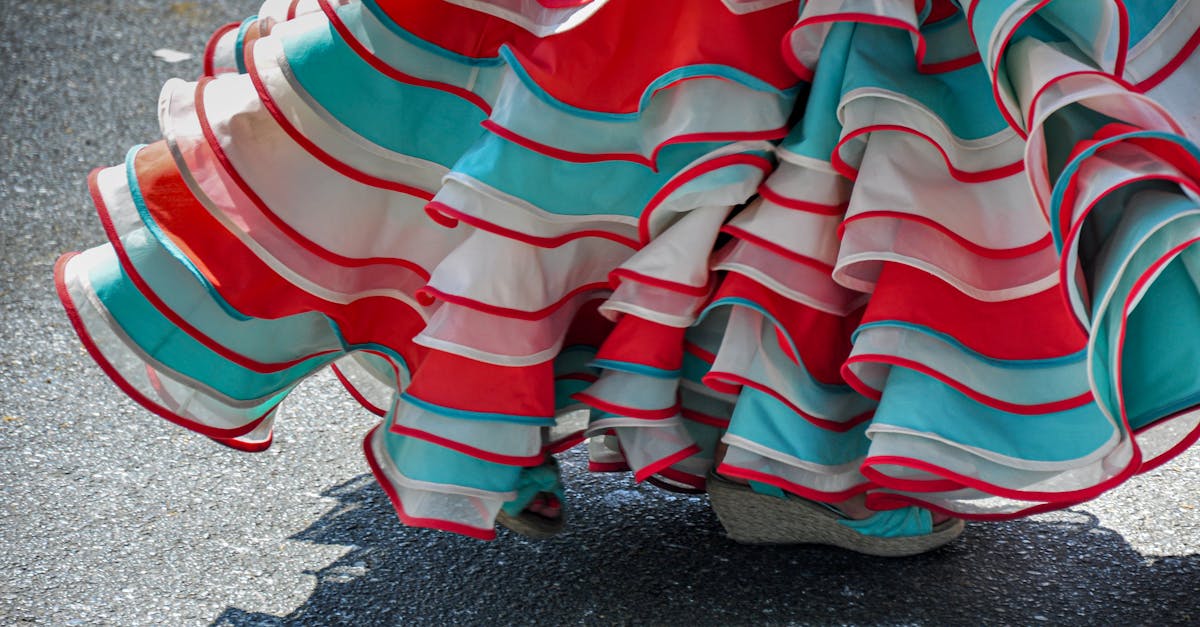
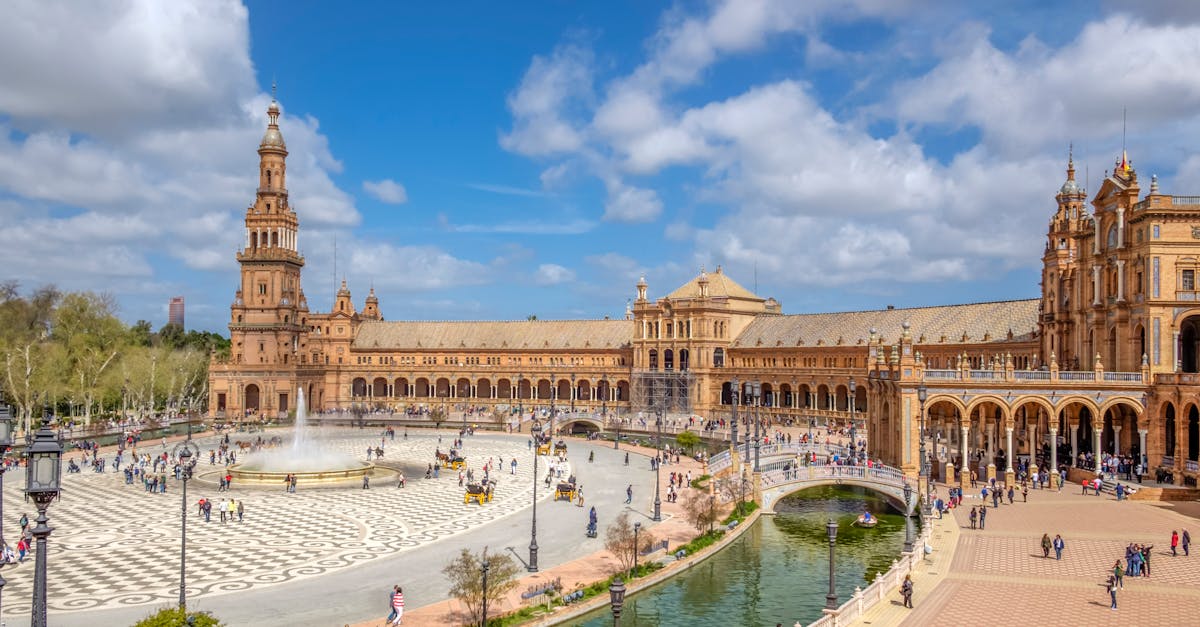
Nestled across the Guadalquivir River, Triana is not merely a neighborhood but the very heartbeat of Sevillian culture, where the soul of flamenco was born and continues to pulse with raw authenticity. Unlike the polished performances in tourist-heavy venues, here you will find peñas (flamenco clubs) tucked away behind unassuming doors, filled with locals who have gathered for generations to celebrate the art form in its most intimate setting. The air fills with the complex rhythms of the cajón, the mournful cry of the voice, and the staccato percussion of feet against wooden floors, creating an electric atmosphere that transcends mere entertainment to become a shared emotional experience between artist and audience.
To truly understand the spirit of Seville, one must step into these small, smoke-hazed rooms where the boundaries between performer and spectator dissolve completely. In Triana, a visit often begins with a simple glass of fino sherry served by a family who has lived here for decades, leading into a private gathering where the passion of the dance is palpable in every gesture. This is where you witness the true essence of cante jondo, the deep song that speaks of love, loss, and resilience, offering visitors a profound connection to the history and identity of Andalusia that cannot be found anywhere else in Spain.
 This photo was taken by Reinhard Bruckner on Pexels.
Beyond the Bullring: Ancient Traditions of San Fermín and Las Fallas
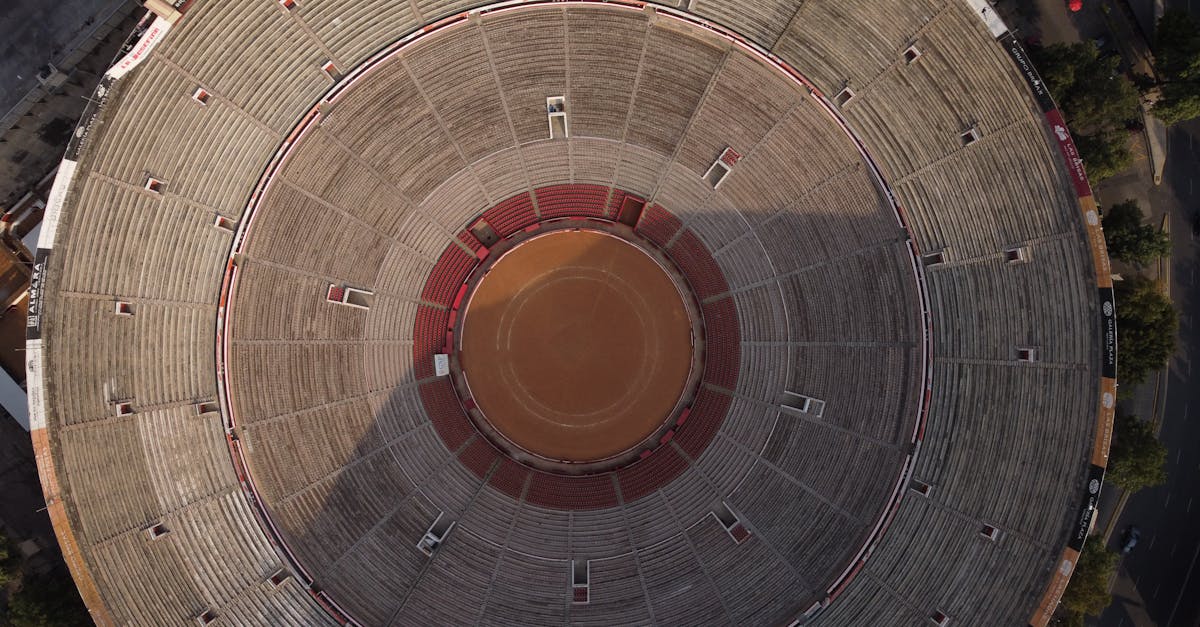
While the roaring crowds of Pamplona's San Fermín are famous for their daily running of the bulls, the festival's soul lies far deeper in its centuries-old rituals that honor Saint Fermín. Beyond the adrenaline-fueled streets at dawn, locals don traditional white attire with red sashes to participate in solemn processions and the poignant "Chupinazo" rocket launch, which officially opens a week of communal joy filled with street music, dancing, and the sharing of "churros con chocolate." Similarly, Valencia's Las Fallas transforms the city into an explosive celebration of art and satire, where massive, intricate papier-mâché sculptures called "fallas" depict social commentary and local life before being ceremoniously burned in the "Cremà." This ancient tradition, dating back to medieval carpenters who lit fires to burn old wooden tools, culminates in a spectacular night of fireworks and bonfires that symbolizes renewal and the cleansing of the past year.
These festivals offer more than just spectacle; they provide an immersive window into the Spanish spirit of community and resilience. In San Fermín, you will find neighbors singing together until sunrise, breaking bread, and embracing a sense of unity that transcends language barriers, while in Valencia, the dedication required to build the fallas showcases a profound respect for craftsmanship and artistic expression. To truly experience these traditions, visitors should arrive early to secure a spot in the squares, engage respectfully with the locals during the parades, and perhaps even attend the educational workshops or museum exhibits dedicated to the history of these events. By looking beyond the main attractions, tourists discover a vibrant tapestry of customs that have been preserved through generations, making these not merely tourist attractions but living, breathing chapters of Spain's rich cultural heritage.
 This photo was taken by Israel Torres on Pexels.
Hidden Gems: Local Fiestas Away from the Tourist Crowds
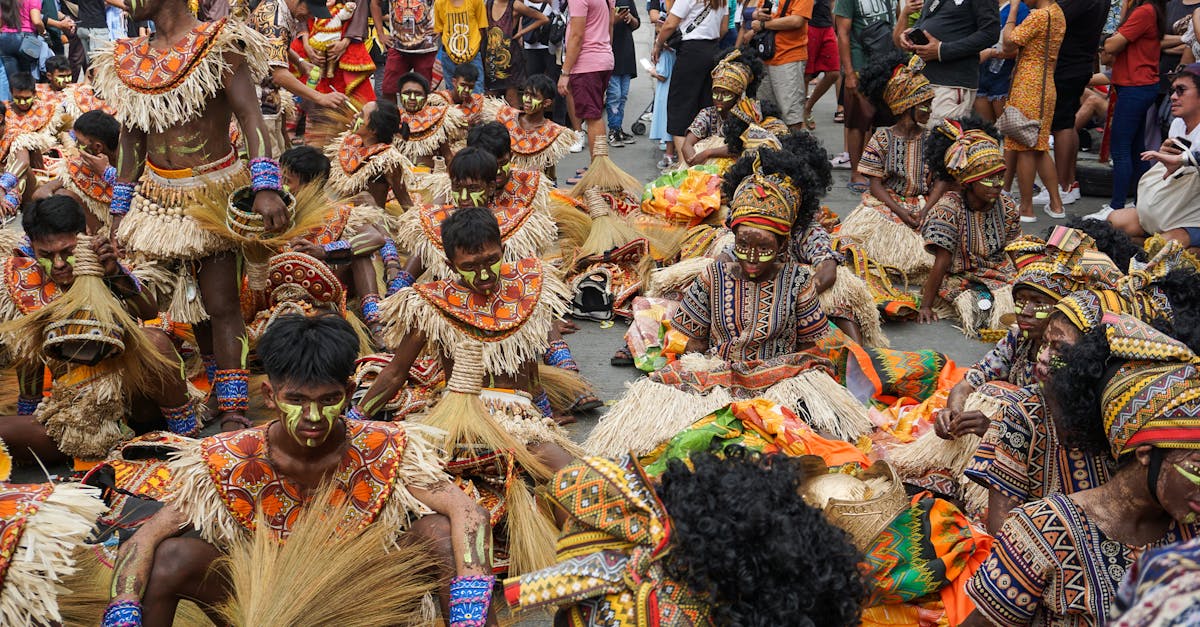
While the world flocks to Seville's April Fair or Barcelona's La Mercè, true cultural immersion often lies in the smaller, more intimate gatherings that define Spain's soul. Venture to the rolling hills of Andalusia for the Romería de El Rocío, a pilgrimage where thousands walk barefoot through dust and olive groves to honor their patron saint, or discover the vibrant chaos of the Fiestas del Pilar in Zaragoza, which offers a more local flavor than the city's main tourist attractions. These events are not merely performances for an audience but communal rituals where neighbors dance the sevillanas with genuine passion, share tapas on makeshift tables, and celebrate centuries-old traditions that remain untouched by commercialization.
To find these authentic moments, it is essential to look beyond the major cities and embrace the rhythm of rural life during harvest seasons or saint days. In the Basque Country, towns like Getxo host the San Juan festival with bonfires on the beach that locals have guarded for generations, while in Valencia, the village of Chiva stages the famous "Mascletà" fireworks displays that draw crowds from neighboring provinces rather than international tourists. By attending these local fiestas, you witness the unscripted joy of Spanish life, where the music is louder, the wine flows freely, and the barrier between guest and host dissolves into a shared celebration of heritage.
 This photo was taken by Joel Garcia on Pexels.