Flamenco and Fiestas: Experiencing Spain's Vibrant Culture
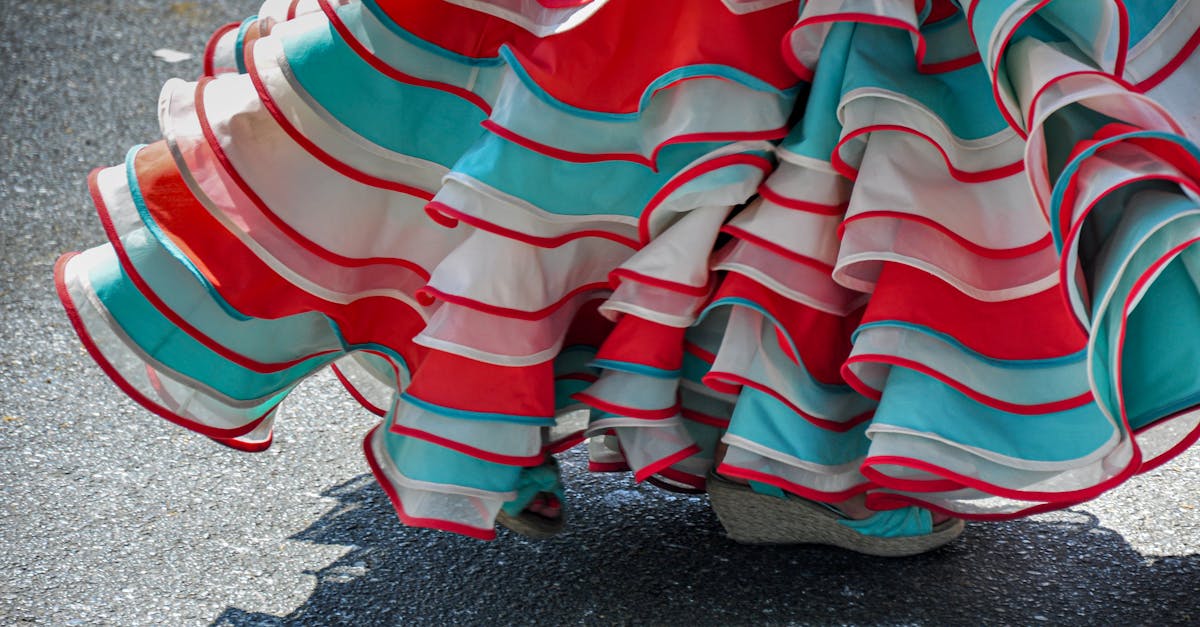 This photo was taken by Dorte Fjalland on Pexels.
Welcome to the heart of Spain, where every street corner echoes with the rhythmic stomp of a dancer's heel and the air is thick with the scent of marzipan and celebration. As your local guide, I invite you to embark on a sensory journey through the vibrant tapestry of Spanish culture, a land where life is lived with an intensity that captivates the soul. From the raw, emotional power of flamenco in the dimly lit tablaos of Andalusia to the electric chaos of world-famous festivals like San Fermín and Las Fallas, this country offers experiences that go far beyond sightseeing. In this post, we will peel back the layers of history behind these traditions and share practical tips on how you can truly immerse yourself in the authentic spirit of Spain, transforming your visit from a simple trip into a unforgettable chapter of your life.
The Soul of the Dance: Unveiling Flamenco's Passionate History
Flamenco is far more than a mere performance; it is the raw, beating heart of Andalusia, where centuries of Gypsy, Moorish, and Jewish influences have fused into an art form that speaks directly to the soul. Born in the intimate taverns and courtyards of southern Spain, this passionate dance tells stories of love, loss, and resilience through the staccato rhythm of footwork known as zapateado, the intricate strumming of the guitar, and the haunting cries of the cante jondo. To witness a true flamenco show in a small tablao in Seville or Jerez is to step into a living history, feeling the electric tension between the dancer's emotional expression and the musician's responsive improvisation, creating a moment of shared humanity that transcends language.
This profound cultural heritage comes alive most vibrantly during Spain's legendary fiestas, where the boundaries between performer and spectator dissolve completely. From the rhythmic clapping of hands to the swirling skirts of dancers in traditional trajes de flamenca, these celebrations transform public squares into stages of communal joy and identity. Whether you are joining the crowd at the Feria de Abril in Seville or experiencing the intense atmosphere of San Fermín in Pamplona, the spirit of flamenco serves as the universal heartbeat of Spanish festivity, inviting visitors not just to watch, but to feel the pulse of a culture that refuses to let go of its past while dancing boldly into the future.
 This photo was taken by Erik Mclean on Pexels.
From San Fermín to Las Fallas: A Journey Through Spain's Most Iconic Festivals
Begin your cultural odyssey in the historic streets of Pamplona, where the legendary San Fermín festival ignites the summer with an electric blend of adrenaline and tradition. Every July, thousands gather to witness the famous encierro, a thrilling run through the narrow alleys before bulls are released into the square, followed by days of vibrant parades, music, and the iconic sea of red scarves that unites locals and visitors alike. This celebration is not merely about the spectacle; it is a profound expression of community spirit and ancient customs that have been honed over centuries, offering travelers an unforgettable immersion into the raw energy of northern Spanish life.
Journeying southward as spring arrives, Valencia transforms into a dazzling canvas of fire and art for Las Fallas, one of Europe's most spectacular sensory experiences. Here, towering satirical sculptures known as "fallas" stand proudly throughout the city until their dramatic, pyrotechnic finale on March 19th, when they are consumed by flames under a sky illuminated by fireworks. The air fills with the scent of burning wood and the sound of "mascletàs," deafeningly rhythmic firework displays that shake the very foundations of the buildings, creating a unique atmosphere where humor, creativity, and the element of destruction converge to celebrate the arrival of warmer days.
 This photo was taken by m0us3b .1 on Pexels.
Joining the Celebration: How Tourists Can Experience Authentic Spanish Traditions
Immerse yourself in the electric atmosphere of a local fiesta, where the streets transform into stages for community bonding and joyous expression. Whether you are dancing through the San Fermín bull runs in Pamplona or watching the intricate "dances of the devils" during the Corpus Christi celebrations in Andalusia, tourists are warmly welcomed to participate rather than just observe. To truly experience authenticity, look beyond the major tourist hubs and seek out village festivals that have been celebrated for centuries; here, you might find yourself sharing a plate of paella with locals, joining the rhythmic clapping of a traditional sevillanas circle, or simply walking alongside neighbors as they prepare colorful floats for a procession, creating memories rooted in genuine human connection.
Beyond the grand public spectacles, the soul of Spanish culture often beats within the intimate settings of tablaos and small family-run venues dedicated to Flamenco. While large concert halls offer spectacular productions, the most profound experiences occur in smaller, dimly lit rooms where the raw emotion of the cante (song), toque (guitar), and baile (dance) is felt on a visceral level. As a visitor, your role is to be a respectful audience member who understands the deep history behind each performance; arrive early to secure a seat near the stage, clap along with the compás when encouraged by the performers, and perhaps even take a short workshop beforehand to appreciate the discipline required. By engaging with these traditions mindfully, you become part of the living narrative of Spain, bridging the gap between observer and participant in this timeless cultural dance.
 This photo was taken by Noland Live on Pexels.