Flamenco Nights: Where to Experience Authentic Dance in Seville
 This photo was taken by Israyosoy S. on Pexels.
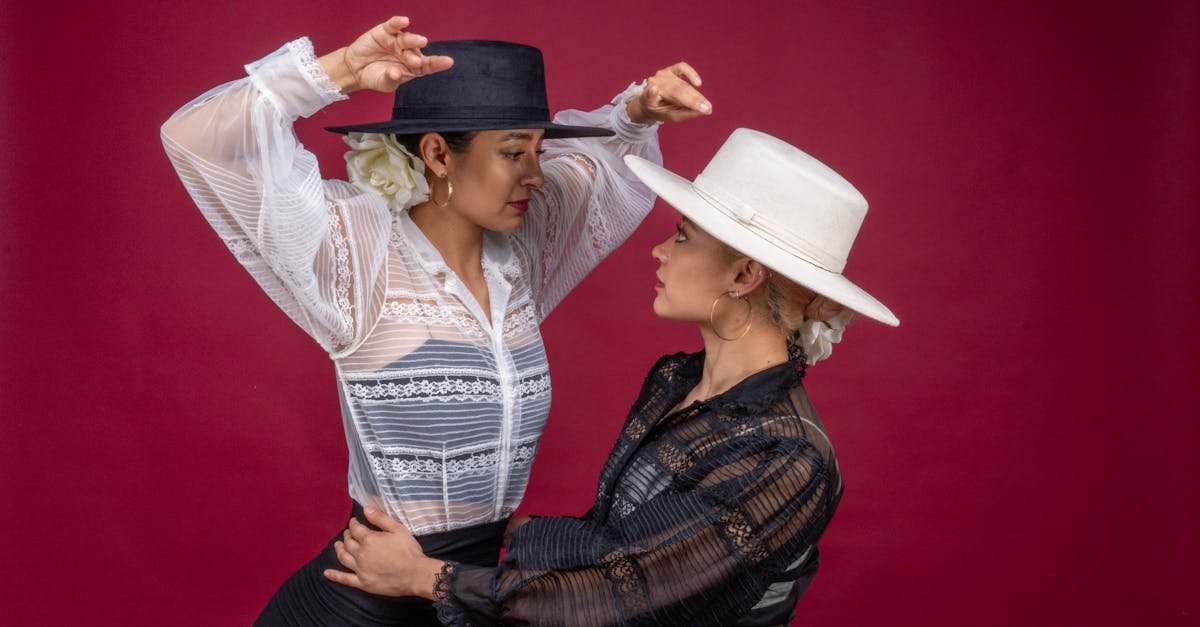
Bienvenidos to the beating heart of Andalusia, Seville, where the air itself seems to hum with the rhythm of the guitar and the passion of the dance. As your local guide, I invite you to step beyond the surface and discover the soul of flamenco in its truest form—a raw, emotional expression that has defined this city for centuries. Whether you are drawn to the cobblestone streets where the art form was born or seeking the electric atmosphere of a world-class performance, this guide will lead you through the most authentic venues in town. From the historic depths of Triana to the intimate settings of traditional tablao, we will explore how to choose the perfect stage and ensure you honor the traditions of this magnificent art. Get ready to lose yourself in the compás, because here in Seville, every night holds the promise of an unforgettable flamenco experience.
The Historic Triana: Where Flamenco Was Born
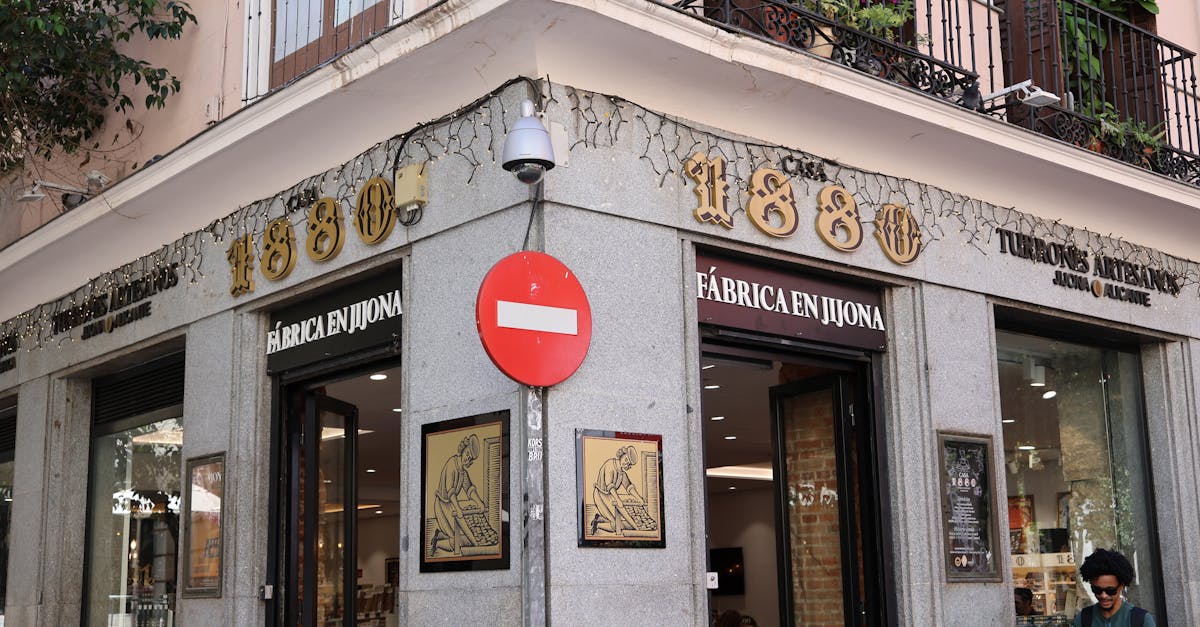
Nestled across the Guadalquivir River, the historic neighborhood of Triana is not merely a district to visit but the very soul where flamenco was forged. For centuries, this working-class enclave, once home to sailors, gypsies, and potters, served as the crucible for this passionate art form, blending African rhythms, Andalusian melodies, and Romani expression into a powerful cultural tapestry. As you wander its narrow, cobblestone streets lined with colorful ceramic tiles and traditional bakeries, you can almost feel the echo of the first palos that emerged from these humble courtyards, transforming local life into an enduring legacy of resilience and emotion.
To truly understand the birthplace of flamenco, one must step inside the intimate casa de tablao tucked away in Triana's labyrinthine alleys, where the air is thick with anticipation and the sound of castanets sets the rhythm for the night. Unlike the tourist-heavy venues found elsewhere in Seville, the tablaos here preserve the raw, unfiltered spirit of the original performances, allowing visitors to witness the intense connection between the dancer, the guitarist, and the singer in a setting that feels more like a family gathering than a show. It is here, under the warm glow of dim lights and amidst the clapping of hands, that you experience the authentic heartbeat of Seville's most famous gift to the world.
 This photo was taken by Travel Photographer on Pexels.
Intimate Tablaos vs. Grand Theaters: Choosing Your Venue
For those seeking the raw, unfiltered soul of flamenco, the intimate tablaos tucked away in the narrow streets of Triana or Santa Cruz offer an unparalleled connection to the art form. These small venues, often seating fewer than a hundred guests, create an electric atmosphere where you can feel the rhythmic stomping of the dancer's feet and hear the emotional intensity of the singer's voice without any acoustic barriers. Here, the performance is not merely watched but experienced; you are part of the circle, sharing the same air as the artists, which allows for a profound sense of community and authenticity that defines the true spirit of Seville's nightlife.
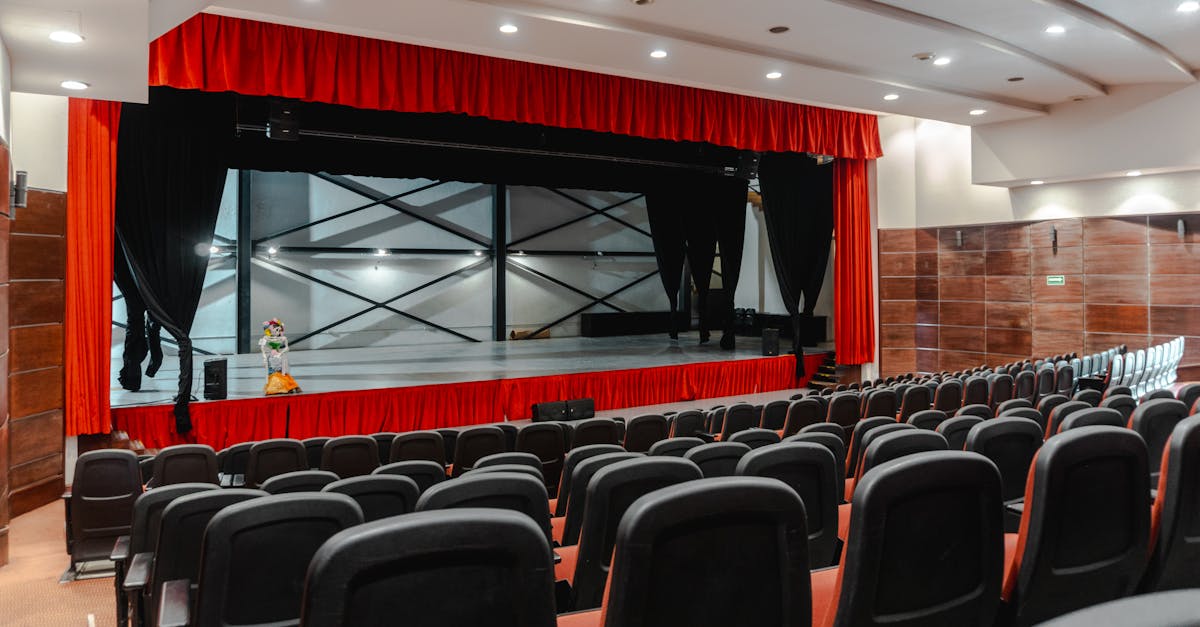
In contrast, grand theaters like the Teatro de la Maestranza or the historic Lope de Vega provide a majestic backdrop for spectacular productions that blend traditional flamenco with contemporary choreography and orchestral accompaniment. While these venues lack the gritty closeness of a local tablao, they offer world-class acoustics, elaborate stage designs, and the opportunity to witness legendary companies performing complex, large-scale narratives. Choosing between these two experiences depends on your desire: if you crave the sweat, passion, and spontaneous energy of a grassroots gathering, a tablao is your destination, but if you prefer a polished, theatrical spectacle within the city's cultural landmarks, the grand stages await with open arms.
 This photo was taken by Heber Vazquez on Pexels.
Etiquette and Timing: Tips for the Perfect Night Out
When attending a flamenco show in Seville, understanding the local rhythm is just as important as appreciating the art itself. Arrive at least 15 minutes before the performance begins to secure your seat and settle into the intimate atmosphere of the tablaos, as latecomers are often asked to wait until an intermission. While applause is encouraged during moments of intense passion, it is considered respectful to remain silent during the instrumental introductions and the dancer's storytelling, allowing the raw emotion of the music and movement to resonate without interruption.
Dining habits also play a crucial role in timing your evening perfectly; remember that dinner in Spain is a late affair, typically starting after 9:00 PM, so plan your pre-show meal accordingly. If you opt for a tapas crawl beforehand, expect venues to fill up around 8:30 PM, but avoid rushing your final course if you want to soak in the relaxed Spanish pace. Finally, always dress smart-casual rather than overly formal or too casual, as locals take pride in their appearance for evening outings, and showing respect through your attire enhances the cultural experience from the moment you step through the door.
 This photo was taken by Hồng Quang Official on Pexels.