Flamenco Nights: Experiencing Authentic Spanish Dance
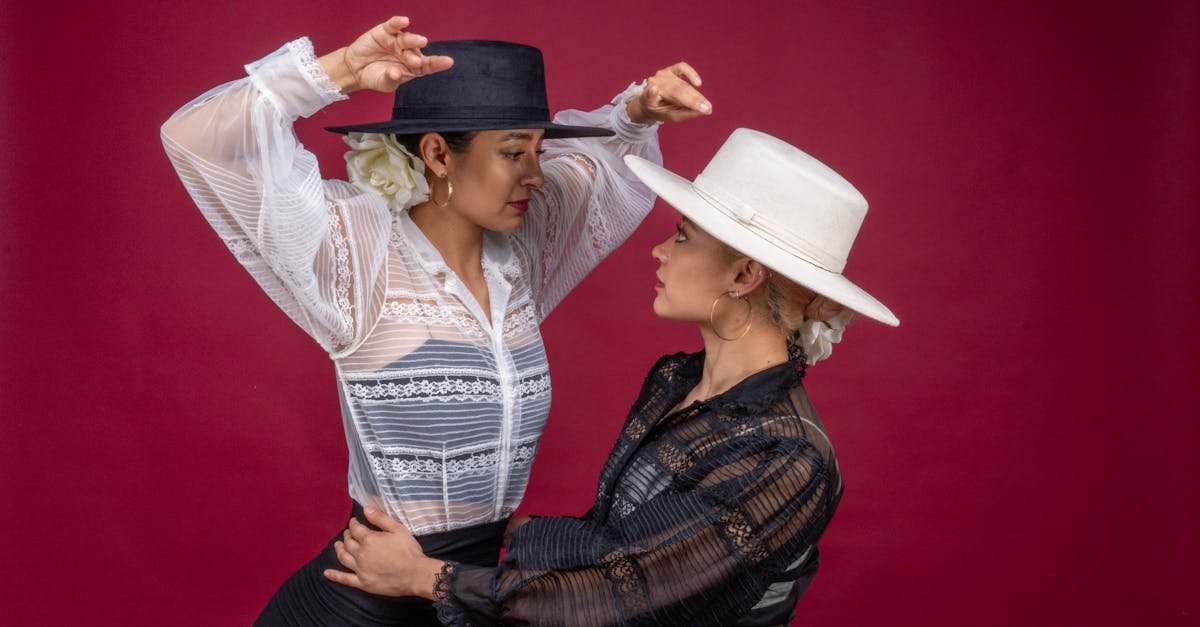 This photo was taken by Israyosoy S. on Pexels.
Welcome to the heart of Spain, where every stomp of a foot and snap of fingers tells a story of passion, struggle, and triumph. If you have ever dreamed of witnessing the raw emotion of Flamenco firsthand, you are about to embark on a journey that goes far beyond mere entertainment. In this post, we will dive deep into the intricate rhythms and melodies known as palos and compás, guiding you to discover the most authentic tablaos from Seville to Madrid where true duende comes alive. We will also share essential tips on local etiquette, ensuring that your evening is not only visually stunning but also deeply respectful of this cherished cultural tradition. Get ready to immerse yourself in the magic of Spanish dance under the stars.
The Soul of the Performance: Understanding Palos and Compás
At the heart of every electrifying flamenco night lies the intricate relationship between palos and compás, the rhythmic soul that transforms a simple dance into a profound emotional narrative. While tourists often marvel at the dazzling footwork, true understanding begins with recognizing that each palo—from the solemn Soleá to the festive Bulerías—carries its own unique history, origin, and specific rhythmic structure known as the compás. This is not merely a beat; it is a complex mathematical framework, often counting 12 beats in a cycle, that dictates the dancer's movements, the singer's phrasing, and the guitarist's chords, creating a living language where joy, sorrow, and resilience are communicated without a single word spoken.
To truly experience authentic Spanish dance, visitors must learn to listen for the subtle shifts within this rhythm, allowing themselves to be swept away by the call-and-response dynamic between the dancer and the musicians. When you feel the ground tremble under the precise staccato of a zapateado or hear the raw intensity of a cante jondo piercing the air, you are witnessing the mastery of compás in action, where the performer does not just follow the time but breathes life into it. Embracing these nuances turns a passive observation into an immersive journey, revealing why flamenco remains one of Spain's most cherished cultural treasures, resonating deeply with anyone willing to let the rhythm guide their spirit.
 This photo was taken by Mike Bird on Pexels.
Where to Find True Duende: Best Tablaos Across Spain
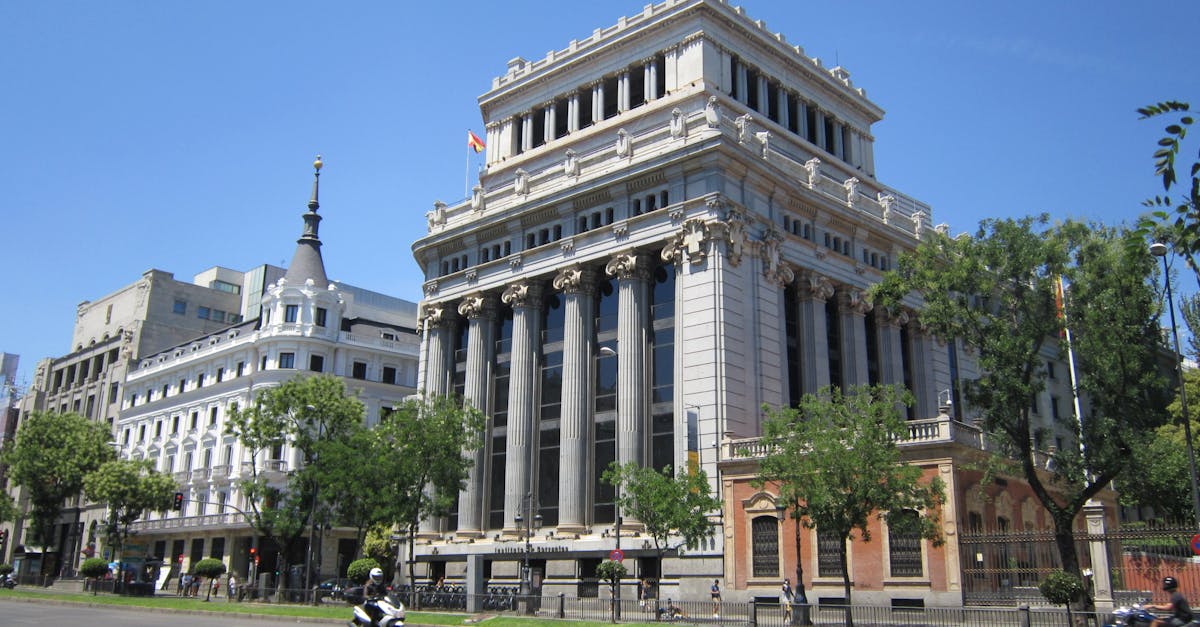
When searching for the soul of flamenco, known as duende, you must step beyond the tourist traps and into the historic tablaos where the art form has been preserved for generations. In Seville, Corral de la Morería in Madrid offers an intimate setting where the acoustics amplify the raw emotion of the singers, while in Granada, Tablao El Arenal provides a traditional atmosphere right in the heart of the Albaicín district. These venues are not merely performance spaces; they are sanctuaries where dancers, guitarists, and singers engage in a deep, spiritual dialogue that transcends mere entertainment, allowing visitors to witness the sweat, tears, and passion that define this ancient tradition.
To truly experience the magic, I recommend arriving early to secure a front-row seat, as the energy in these rooms builds palpably with each note played and every zapateado stomped on the wooden floor. Whether you are sipping a glass of fino sherry in Cádiz or enjoying tapas in Barcelona's renowned Tablao Cordobés, the connection between performer and audience is electric and immediate. It is in these specific corners of Spain, away from the polished stages of commercial theaters, that you will find the authentic rhythm of the country beating strongest, leaving you with memories that resonate long after the final cante ends.
 This photo was taken by Lajos Kristóf Kántor on Pexels.
Etiquette and Experience: How to Enjoy a Flamenco Show Like a Local
When you step into a traditional tablao or intimate venue in Seville, Granada, or Madrid, the first rule of etiquette is to embrace the deep silence that precedes the performance. Unlike commercial theater productions, authentic flamenco thrives on a palpable tension and emotional connection between the dancer, guitarist, and singer; therefore, clapping or shouting "Olé!" only at the conclusion of a masterpiece, known as a jaleo, is the mark of a respectful local. Arrive early to secure a table near the stage rather than the back, but remember that arriving late disrupts the flow of the show, so plan your evening accordingly to witness the full arc of the art form from the initial, soulful guitar introduction to the explosive finale.
To truly experience the night like a local, engage with the atmosphere beyond just watching; the energy in the room often builds into a shared celebration where the audience becomes part of the performance. If you are feeling inspired, do not hesitate to clap along rhythmically once the tempo picks up, but always wait for the cue of the crowd before raising your voice, as spontaneity is welcomed when it respects the artist's timing. After the final note fades, many locals stay to chat with the performers or order a glass of sherry at the bar, turning the event from a mere spectacle into a genuine cultural exchange that honors the centuries-old tradition of flamenco as a living, breathing expression of Spanish identity.
 This photo was taken by Monstera Production on Pexels.